Bulgur vs Couscous: Are They the Same?
Compare bulgur and couscous, how they cook and when you can substitute one for the other.
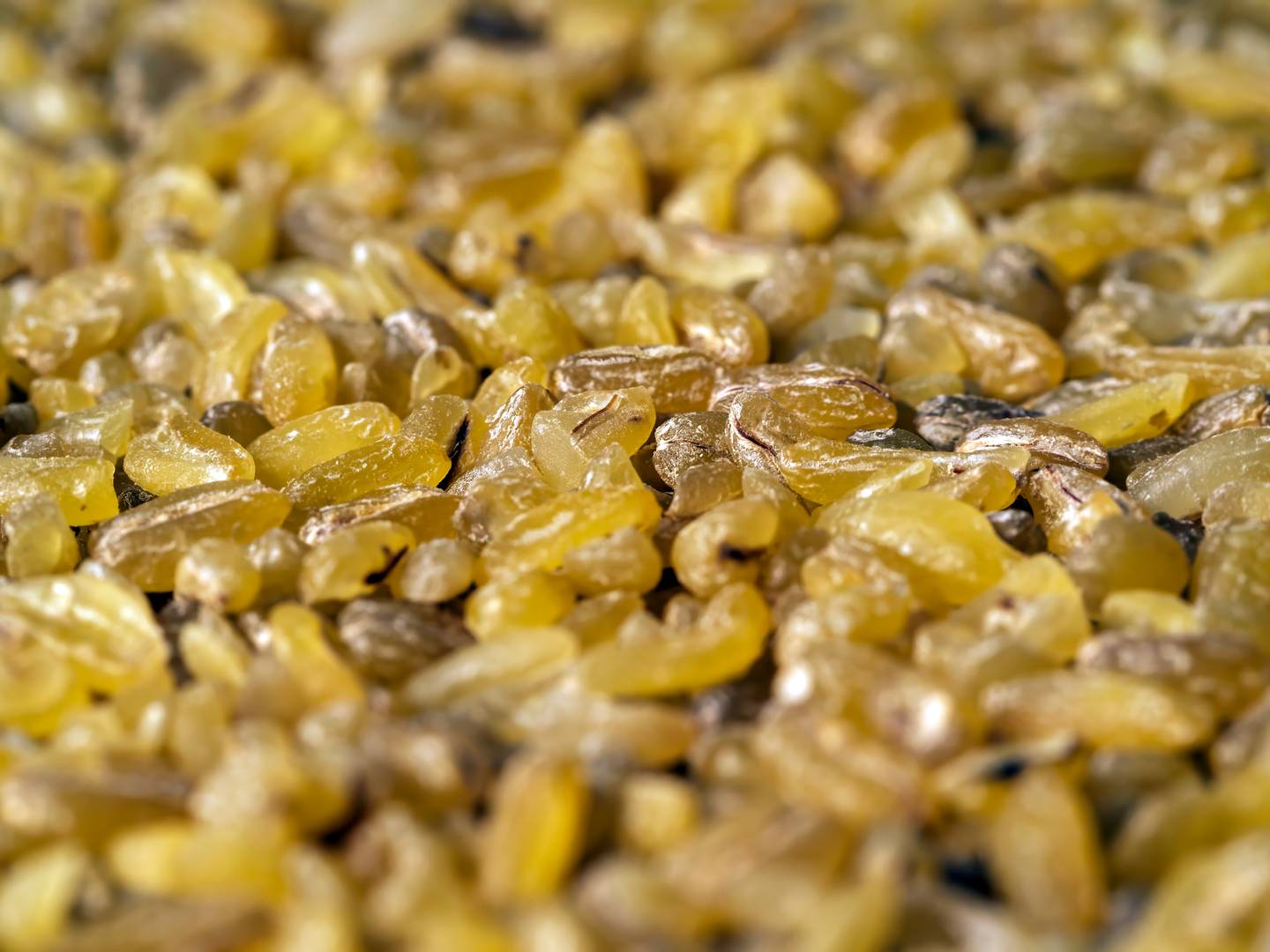
Bulgur and couscous can look similar in a bowl, but they start out differently. Bulgur is wheat that has been cooked, dried and cracked into pieces. Common wheat couscous is made from granules of semolina, a wheat product. Both contain gluten, and each can be an excellent vehicle for herbs, vegetables and a generous squeeze of lemon.
| Bulgur | Couscous | |
|---|---|---|
| Made from | Cooked, dried, cracked wheat | Commonly semolina wheat granules |
| Typical texture | Nutty, with a bite that varies by grade | Small, soft granules; larger varieties are also sold |
| Whole grain? | Generally sold as whole-grain bulgur | Check the package for whole-wheat couscous |
| Gluten | Yes | Yes, for wheat couscous |
Do they cook the same way?
Not always. Fine bulgur can often be softened without boiling, while coarser bulgur may need a simmer. Many packets of small couscous are precooked and only need hot liquid and a covered rest; larger or differently processed products can require another method. Follow the packet for your particular ingredient.
Can you use couscous instead of bulgur?
In a flexible salad or side dish, yes. Cook the couscous separately, fluff it, and add it by cooked volume. Expect a softer, less distinctly chewy result. In a tabbouleh where fine bulgur's texture is part of the point, couscous makes a different salad rather than an exact replacement.
To go in the other direction, prepare the bulgur according to its grade before adding it. It may need more liquid or time than the couscous in the original recipe.
Which is gluten-free?
Neither standard wheat bulgur nor wheat couscous is gluten-free. Products made from other grains may be sold as couscous alternatives; read their ingredients and cross-contact information if you need to avoid gluten.