Freekeh vs Bulgur: Which Wheat Should You Use?
Compare the flavor, texture and cooking of freekeh and bulgur before choosing or substituting.
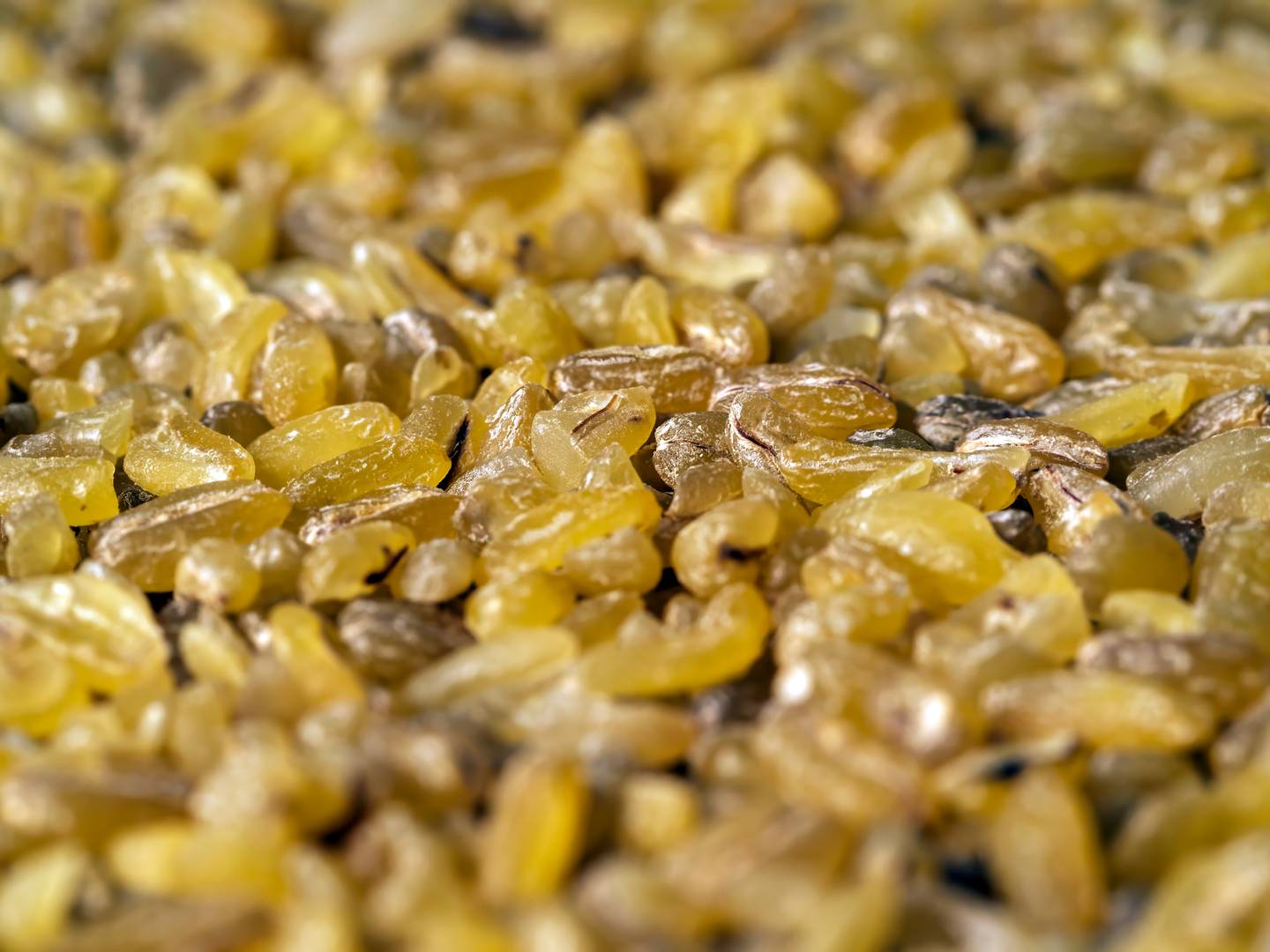
Freekeh and bulgur are both wheat products, but they bring different things to dinner. Bulgur is wheat that has been cooked, dried and cracked; freekeh starts with young green wheat that is roasted. Bulgur tastes gently nutty, while freekeh often has a noticeable smoky character.
Both can work in salads, pilafs and soups. The best choice depends on how much time you have and whether that smoky flavor is welcome.
| Freekeh | Bulgur | |
|---|---|---|
| What it is | Young wheat, roasted and sold whole or cracked | Cooked, dried and cracked wheat, sorted by size |
| Flavor | Earthy and often smoky | Mild and nutty |
| Texture | Chewy, particularly when whole | Varies from fine and tender to coarse and chewy |
| Gluten | Contains gluten | Contains gluten |
Which cooks faster?
Fine bulgur can often be softened by soaking, while coarser grades may need simmering. Cracked freekeh generally cooks faster than whole freekeh, but products and directions vary. Check your packet before setting a timer; the size and processing matter more than the name alone.
Can I use one instead of the other?
Yes, especially in a flexible grain salad or pilaf. Prepare the replacement separately according to its own directions, then add the cooked grain to the dish. A cup of one dry ingredient may not produce precisely the same amount or absorb the same liquid as the other.
Choose bulgur if you want a milder backdrop for herbs and lemon. Choose freekeh if a deeper, roasted flavor sounds good. In a delicate tabbouleh, coarse or smoky freekeh will change the character substantially; fine bulgur is a closer fit.
Neither is safe for someone avoiding gluten because of celiac disease. A suitable gluten-free grain may be an option, but check the product label and cross-contact information.