Bulgur Grades: How to Choose Fine, Medium or Coarse
Choose the right bulgur grade for tabbouleh, salads and pilafs, with preparation tips for each.
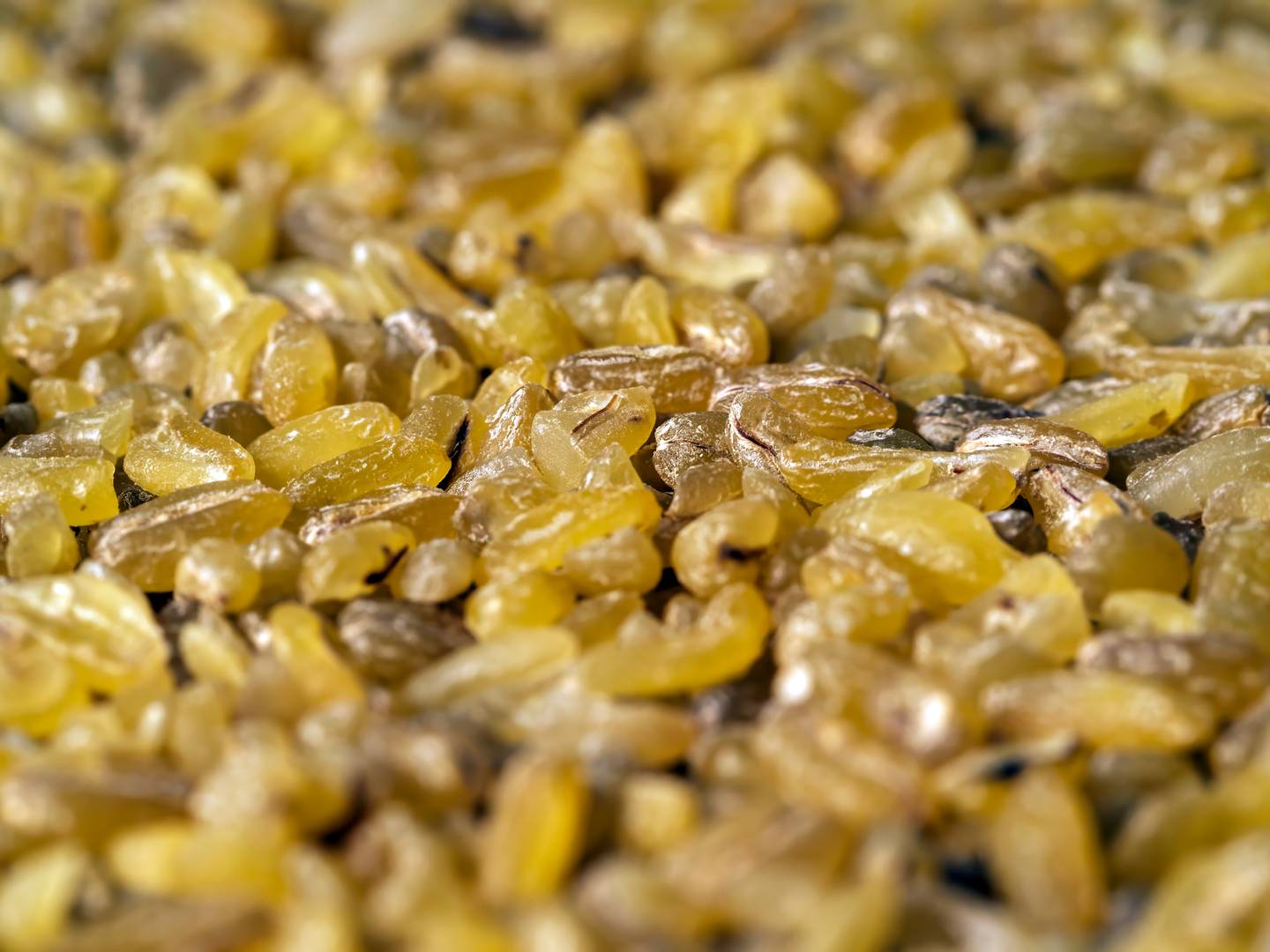
Bulgur is wheat that has been cooked, dried and broken into pieces. It is sold in several grades, from fine grains that soften quickly to larger pieces with more chew. The right bag depends on whether you want a delicate parsley salad, a substantial pilaf or something in between.
The size on the packet is worth checking before you put the kettle on. “Bulgur” tells you what the ingredient is; the grade tells you much more about what to do with it.
Fine, medium and coarse at a glance
| Grade | Character | A useful starting point |
|---|---|---|
| Fine | Small pieces that soften readily | Tabbouleh and other herb-heavy salads |
| Medium | More noticeable pieces | Salads, bowls and sides where you want some bite |
| Coarse | Larger pieces and a heartier texture | Pilafs and dishes where the grain takes a starring role |
Grades and labels are not perfectly standardized between brands. Look at the grain as well as the name, and follow the preparation instructions on your particular packet.
Which bulgur works for tabbouleh?
Fine bulgur is a useful choice for tabbouleh because it sits comfortably among chopped herbs and vegetables instead of dominating the bowl. Coarser bulgur can add more chew, but the preparation and the balance of the salad will change. Oldways notes that different grinds produce different textures in tabbouleh; there is room to choose the result you prefer.
If a recipe specifies fine bulgur, check its method before using a coarser grade. A recipe that relies on softening small grains may not give larger pieces the time or liquid they need. The result can be perfectly edible and still not be the salad the recipe intended.
How do you prepare it?
Bulgur has already been cooked during processing. Depending on the grade and the recipe, it may be soaked or simmered. Fine bulgur is often treated more gently; larger pieces generally need a longer preparation. Use the packet or a recipe written for your grade as the starting point, then taste a few pieces for tenderness.
The Whole Grains Council gives a general stovetop method for bulgur, but a single timing cannot describe every grind and brand. If the grain is still firm in the center, give it more time rather than assuming it has read the same recipe you did.
Is bulgur the same as couscous?
They can appear in similar salads and side dishes, but they are different products. Bulgur is processed wheat grain; couscous is made from small pieces of pasta dough. Their textures and preparation methods differ, so read the packet when swapping one for the other.
Bulgur contains wheat. Anyone avoiding gluten should choose a suitable alternative and check the label for the product they buy.