Brown Lentils and Whole Masoor: How to Choose and Cook Them
Understand brown lentils and whole masoor, how to cook them and when to use them in soups, salads and dal.
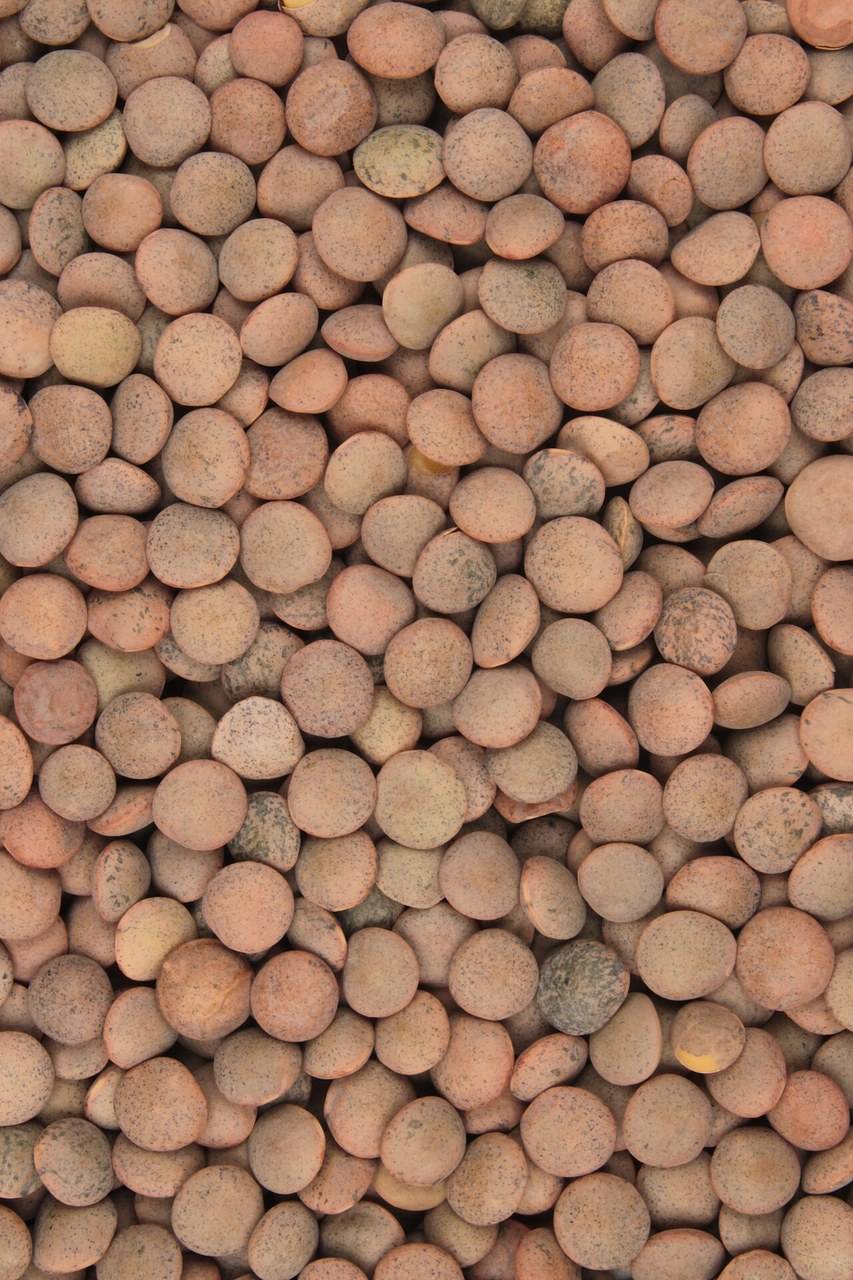
Brown lentils are whole lentils with a brown or brownish-green outer skin. They have an earthy flavor and can hold their shape when cooked carefully, making them useful in soups, curries and grain salads.
You may also see whole masoor or sabut masoor. These are whole red lentils: their skin is brownish, while the inside is red-orange. Remove the skin and split them and you get the familiar orange-red masoor dal. Not every lentil sold as “brown” is necessarily the same variety, so check the package when a recipe calls for something specific.
Brown lentils versus split red lentils
The most useful difference is the form. Whole brown lentils retain their skin and generally stay more distinct; skinned split red lentils soften faster and can thicken a soup or dal. A whole lentil can still become very soft if cooked long enough, and a split one doesn't dissolve instantly. Timing and the desired dish matter.
If a recipe needs separate lentils for a salad, start tasting whole lentils early. If it calls for split red lentils to make a creamy soup, whole brown lentils will give a heartier, less uniform result.
How do you cook brown lentils?
Pick through them, rinse, and simmer in water until tender. The lentil growers' organization Lentils.org suggests 1 part whole lentils to 3 parts water by volume and gives 15–20 minutes as a starting range. Other guides and products take longer. Check the packet and taste several lentils; age and variety make a difference.
Drain excess liquid for a salad or side. For a curry, simmer the cooked lentils with the recipe's aromatics and adjust the liquid to make a sauce. Lentils generally do not require soaking, although individual recipes may recommend it.
What can you make with them?
Whole masoor works in Indian dal with onions, tomatoes and spices. Brown lentils also suit vegetable soup, a warm side with roasted vegetables, or a salad with a bright dressing. For a dish needing a particularly firm lentil, Puy-style green lentils or belugas can be alternatives; cook them according to their own directions.
Can you substitute canned lentils?
For a quick soup or salad, canned lentils can be convenient because they are already cooked. Drain them and follow the recipe's rinsing directions. Add them later than dry lentils in a long-cooking dish, otherwise they may become softer than you intended.
For a softer soup or dal, see our guide to split red lentils. Our lentil comparison also helps match the form to the texture you want.