Beluga Lentils: What They Taste Like and How to Use Them
Discover how black beluga lentils taste, how to cook them and where their shape works best.
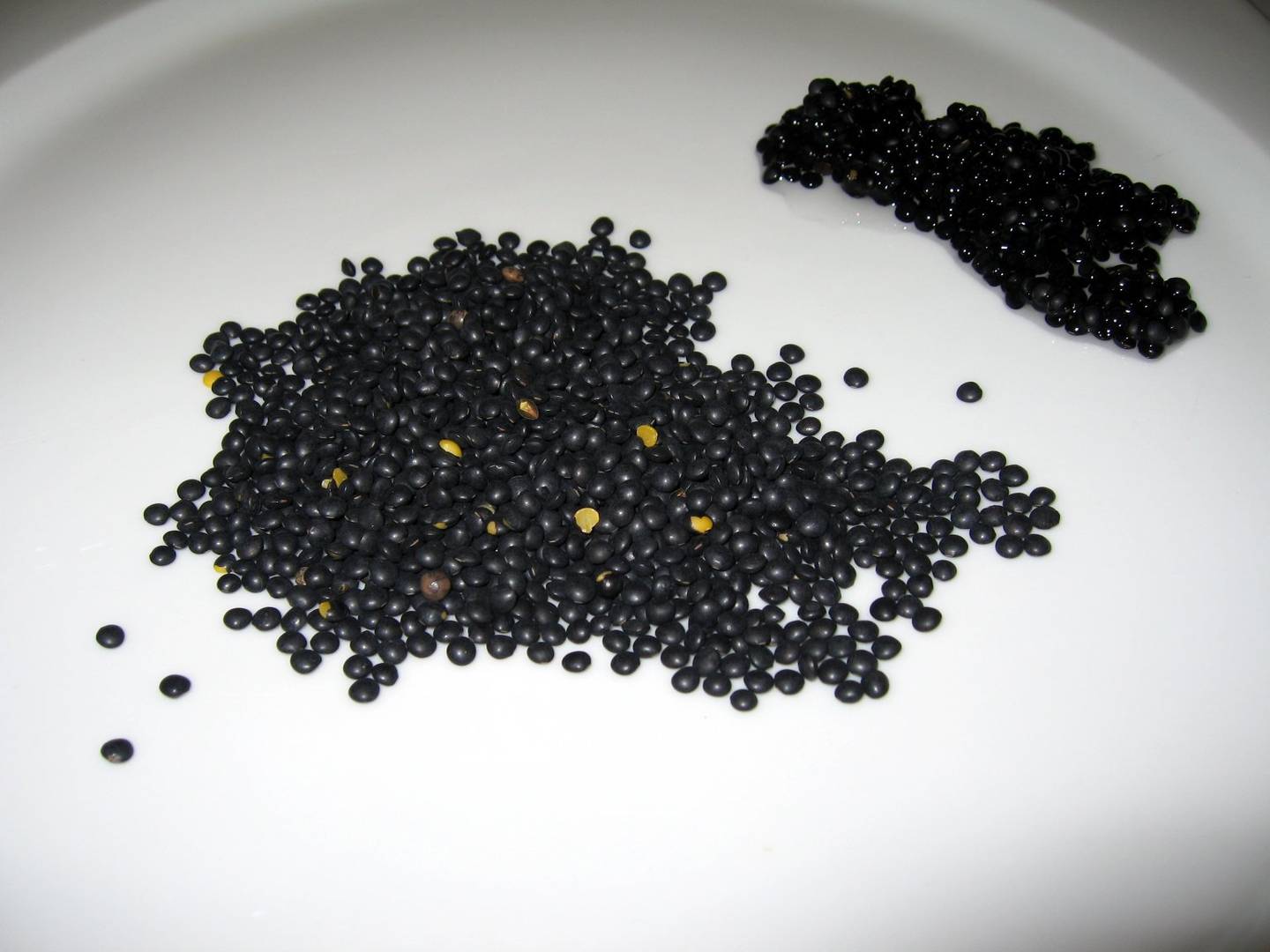
Beluga lentils are small black lentils with a mild, earthy flavor. Cook them until tender and they generally hold their shape, which makes them especially useful in salads, grain bowls and dishes where you want the lentils to remain distinct.
Their name comes from their resemblance to caviar. Happily, you don't need a caviar budget to put them on the table.
| At a glance | Beluga lentils |
|---|---|
| Appearance | Small, dark and glossy |
| Flavor | Mild and earthy |
| Texture | Tender with a firm bite when cooked carefully |
| Useful for | Salads, sides, bowls and hearty soups |
What makes them different?
Beluga lentils are generally sold whole, with their skins intact. That helps them stay recognizable after cooking. Split red lentils, by contrast, soften quickly and tend to break down, making them useful when you want a thicker soup or a creamy dal.
French green lentils are another good choice when keeping their shape matters. They aren't identical in appearance, but both can work well in dishes served warm or cold.
How to cook beluga lentils
Check the package first: cooking times can differ with the lentils and the method. Sort through the dry lentils for any debris and rinse them. Add them to a saucepan with water, bring to a boil, then lower the heat and simmer until tender. Check them as they cook; for a salad, you want them tender all the way through while still holding their shape.
Harvard's Nutrition Source gives a general range of about 20–30 minutes for whole lentils, including black lentils. Treat that as a starting point rather than a promise from the kitchen clock. Drain any excess liquid after cooking.
How to use them
- In a salad: Toss cooked lentils with chopped vegetables, herbs and a dressing you enjoy. Let them cool first if you want the vegetables to stay crisp.
- As a warm side: Serve them alongside roasted vegetables or a main dish, with a spoonful of dressing or sauce.
- In a grain bowl: Combine them with a cooked grain and vegetables for a bowl with contrasting textures.
- In soup: Add cooked lentils to a broth or vegetable soup when you want the lentils to remain visible rather than dissolve into the base.
If you're following a recipe that relies on split red lentils to thicken a dish, beluga lentils will change the texture. For a lentil salad, French green lentils are a more natural starting point if belugas aren't available; cooking times can still vary.
See our guides to brown lentils and split red lentils to compare other common forms.