Arrowroot Starch: How to Identify It and Use It as a Thickener
Arrowroot is a starch used for thickening and in some baking blends.
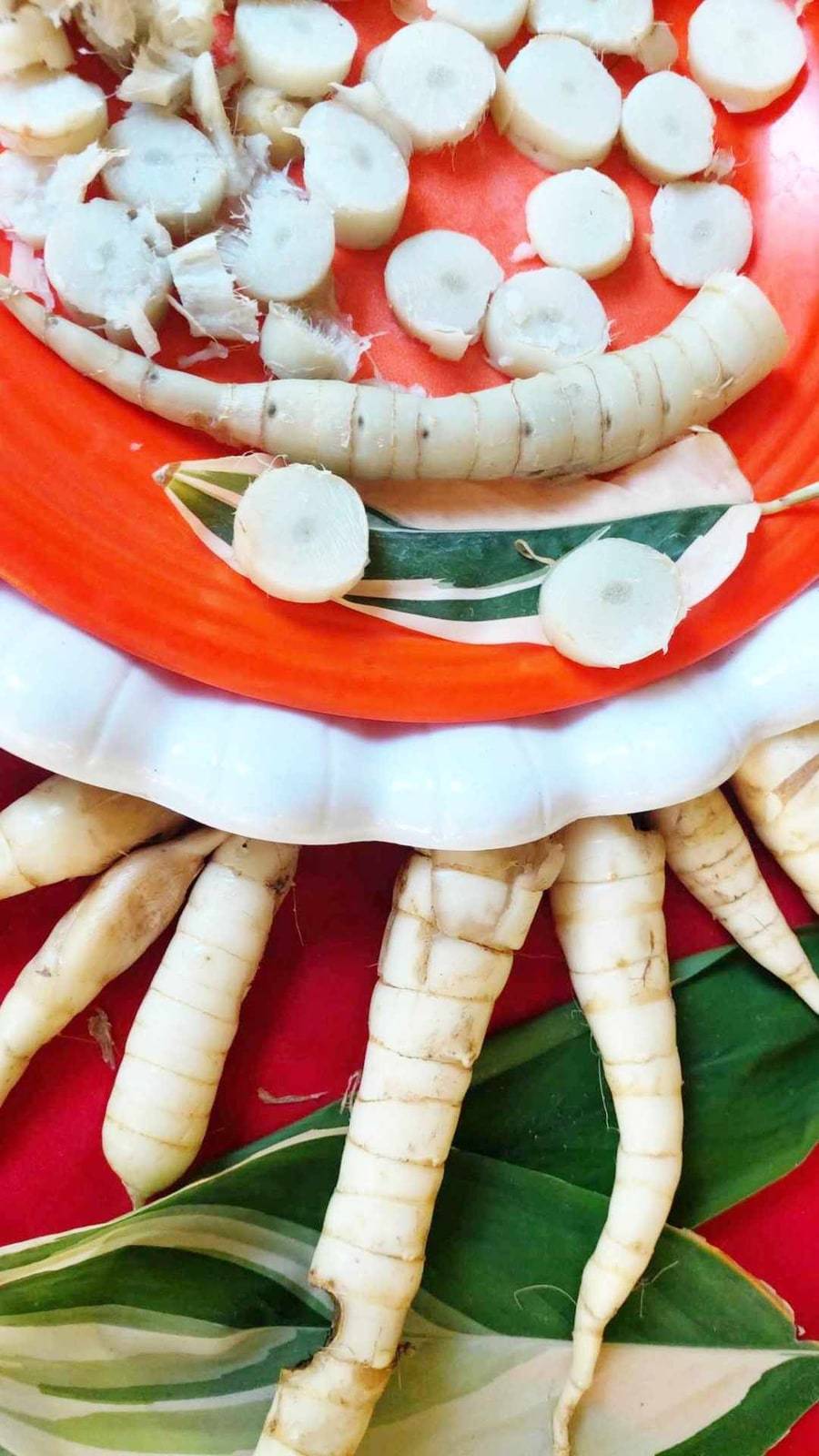
Arrowroot is a starch used for thickening and in some baking blends. A useful complication for international shoppers is that the English name on the front of a packet does not always establish the same plant ingredient.
Bob's Red Mill identifies its arrowroot as starch from the arrowroot plant, Maranta arundinacea. In Australia, McKenzie's also uses the familiar arrowroot name for a product described as tapioca flour. Read the ingredient list if the distinction matters to your recipe.
What a slurry does
For a sauce, mix the specified starch with cold liquid before introducing it to the hot preparation. That disperses the powder before heating thickens it. Dry powder can form lumps that are difficult to disperse once their surfaces thicken.
Follow the recipe's quantity and heating guidance. Starches are not a single universal thickener, and a formula for one product should not be assumed to cover every product sold under a familiar English label.
Choose a suitable application
Arrowroot is commonly used where a glossy sauce or glaze is wanted. Use a recipe that specifies it, particularly where acidity, dairy or a long cooking period affects the result. A thickener added near the end of a dish has a different job from a flour cooked into its base.
For baking, treat it as one component of the formula unless the recipe says otherwise. A starch does not automatically supply all the structure of a general-purpose flour.
The shopping decision
If your recipe specifies true arrowroot and the available packet contains tapioca, look for an explicitly supported tapioca alternative or choose another product. If the recipe itself was developed with a named Australian arrowroot product, that product detail may be the most useful clue.
The aim is to match the ingredient actually used, not to win an argument with the front of a packet.