Yellow Split Peas: What They Are and How to Use Them
Explore yellow split peas, how they cook, and how they differ from similar-looking dals.
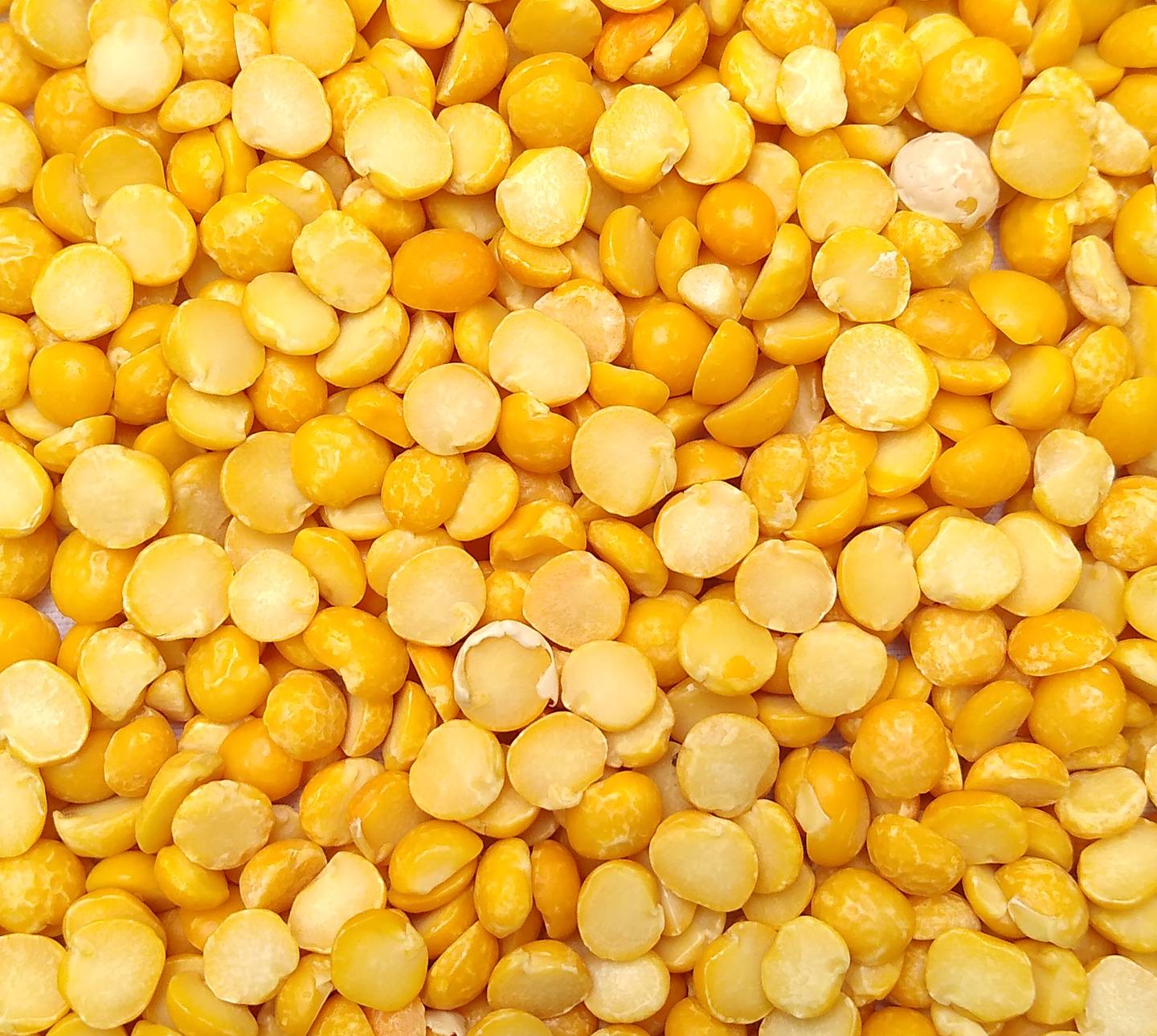
Yellow split peas are dried field peas that have been split into halves. They have a mild, earthy flavor and soften into soups, dals and purées. They look a little like chana dal on the shelf, but they are a different pulse.
They are also different from fresh green peas: dried split peas need thorough cooking, while the bright green peas in your freezer are a different product with different instructions.
Yellow split peas versus chana dal
Yellow split peas come from field peas. Chana dal comes from skinned, split desi chickpeas. Both are yellow, both can make a satisfying pot of dal, and neither appreciates being judged solely by its color.
Their flavor and texture differ, as can cooking time. You can use yellow split peas as an adaptation in a forgiving chana dal recipe, but follow a split-pea cooking method and expect a different result. The same caution applies to toor dal, which comes from pigeon peas.
How to cook yellow split peas
Sort and rinse the peas, removing any small stones or debris. North Dakota State University Extension says split peas do not need an overnight soak and suggests a starting ratio of 1 cup peas to 2 cups water. Bring to a boil, then simmer for about 30 minutes to the desired tenderness; another extension guide gives 35–40 minutes.
Check the pan as it cooks and add water if needed. For a soup or purée, continue until soft enough to break down. For a dish with more texture, taste earlier. Older peas and different products may need longer.
Ways to use them
Simmer them in a thick soup with vegetables, or season cooked peas with cumin and other spices for a dal-style dish. They can also be blended into a spread. Add acidic ingredients according to your recipe, and don't let the pot dry out while you're waiting for the peas to soften.
Yellow versus green split peas
Both are split field peas and can often be used in similar preparations. They differ in color and may taste a little different. Follow the package for cooking, and check tenderness rather than assuming two bags will finish at exactly the same time.