Why Do Black Beans Turn Gray or Brown When Cooked?
Learn why black beans can lose their dark color during cooking and what affects their appearance.
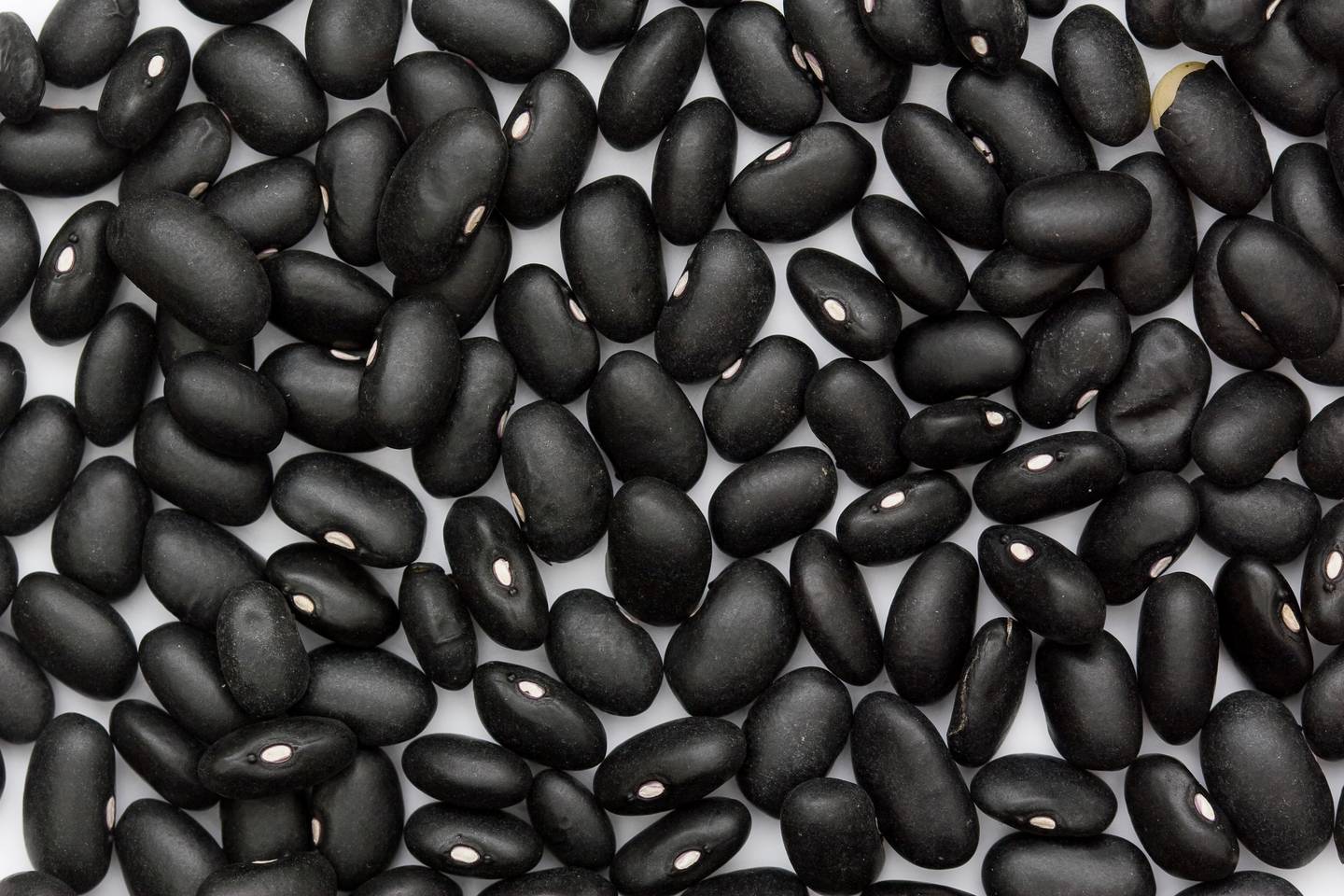
Black beans can fade during soaking and cooking because some of the dark, water-soluble pigments in their skins move into the water. A grayish or brownish color can therefore be a normal change, rather than proof that a batch has gone bad.
That said, color alone cannot establish whether food is safe. Use sound ingredients, cook beans thoroughly and store leftovers safely. If cooked beans have been left out too long or show signs of spoilage, don't taste them to decide whether they are safe.
Where did the black color go?
Black bean skins contain pigments called anthocyanins. Research on processed black beans describes these pigments moving out of the seed coat into water during soaking and heating. The degree of fading can vary with the beans and processing.
If you drain dark cooking liquid, some of that color leaves with it. A paler bean may still taste good in a soup, taco filling or salad. The dinner has changed its outfit, not necessarily its plans.
Can you keep the beans darker?
Results vary, and there's no reliable trick that preserves every bean's original color. Avoid unnecessarily long cooking once the beans are fully tender, and use the cooking liquid in a suitable dish if you like its flavor and color. Keep beans covered with enough water as they cook; don't reduce water at the expense of proper cooking.
Acidic ingredients can slow the softening of dried pulses. Rather than adding vinegar or tomato early solely to chase a darker color, cook the beans until tender and add acidic ingredients as the recipe directs.
When should you discard them?
An unusual gray color by itself does not tell you the answer. Discard cooked beans if they have spoiled or have not been stored safely. Refrigerate perishable leftovers promptly; the FDA advises doing so within two hours, or one hour when the temperature is above 90°F / 32°C. Follow current local food-safety guidance.