Adzuki Beans: The Small Red Beans Used in Sweet and Savory Dishes
Explore adzuki beans, their delicate flavor and ways to use them in sweet and savory dishes.
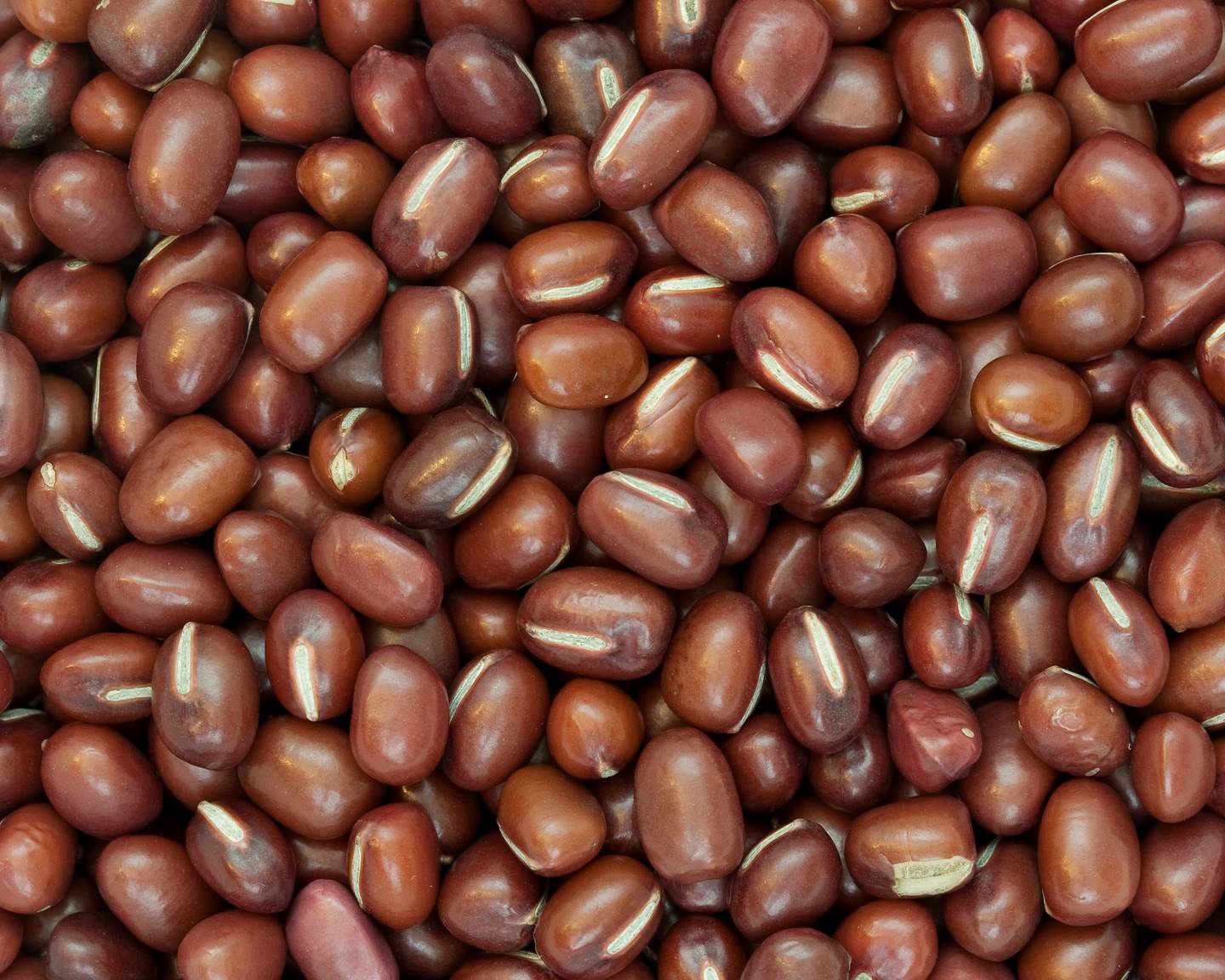
Adzuki beans are small, reddish-brown beans often marked by a pale seam. You may also see azuki or aduki on the packet. They are used in many East Asian foods, including sweet red bean paste, but they can also be cooked for rice dishes, soups and savory meals.
The bean itself isn't a dessert. Add sugar and the right preparation, though, and it has a very successful second career.
What do adzuki beans taste like?
They have a mild, nutty flavor with a subtle sweetness. Once cooked, they can be left whole for texture or mashed into a paste. Japanese anko is sweetened azuki bean paste; chunky tsubuan and smooth koshian offer different textures for sweets such as mochi and pastries.
For savory food, serve cooked adzuki with rice, vegetables or a lightly seasoned broth. Keep sugar out unless the recipe calls for a sweet result.
Are adzuki beans the same as kidney beans?
No. Adzuki are much smaller and generally rounder than kidney beans. Both can be red, but they differ in flavor, texture and preparation. Kidney beans contain a natural lectin that requires proper soaking and boiling; don't replace one with the other and assume the cooking method is unchanged.
How do you cook dried adzuki?
Sort and rinse the beans, then follow a recipe suited to the finished dish. Some recipes soak them; others cook them without an overnight soak. For sweet bean paste, Just One Cookbook brings unsoaked beans to a boil, drains them, then simmers in fresh water for about 60–90 minutes, adding water as needed, until a bean mashes easily.
That is a recipe-specific guide, not a guarantee for every bag. Age, soaking and the desired texture affect the time. For a salad or rice dish, start checking earlier than you would for a smooth paste and stop when tender but still holding shape.
What can you substitute?
In a savory stew, another small cooked bean can work, though the flavor and color will change. For Japanese sweets, adzuki's flavor is part of the dish; look for azuki beans or prepared anko rather than assuming red kidney beans will give the same result.