Farro vs Wheat Berries: What Is the Difference?
Compare farro and wheat berries, understand whole and pearled forms, and learn when to substitute.
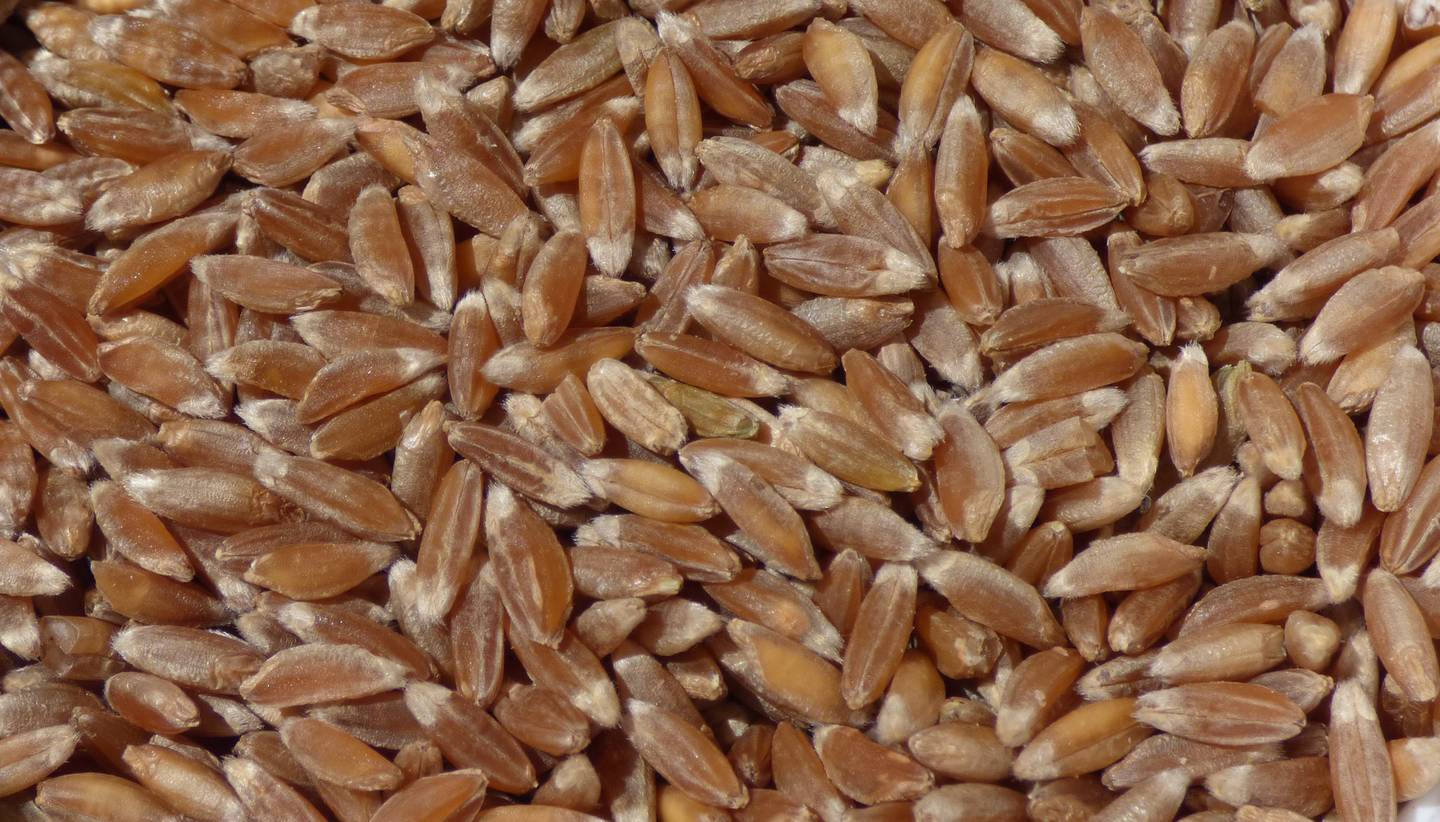
Farro and wheat berries are related, but the names answer different questions. “Wheat berries” describes intact wheat kernels; “farro” is an Italian name applied to certain wheats, commonly emmer. Farro may be sold whole, semi-pearled or pearled, so it is not automatically a whole grain.
For a chewy salad, either can be delicious. For a weeknight meal, the amount of processing on the package can matter just as much as the grain's name.
| Farro | Wheat berries | |
|---|---|---|
| What the name tells you | A traditional name for certain wheats, often emmer | An intact wheat kernel |
| Processing | May be whole, semi-pearled or pearled | Whole kernel |
| Texture | Chewy; pearled forms tend to soften sooner | Substantial and chewy |
| Gluten | Contains gluten | Contains gluten |
Read the package before cooking
Whole farro retains the grain's bran; pearled farro has some removed. That difference affects cooking time and whether the product counts as a whole grain. Look for “whole” on the ingredient list if that matters to you. Farro can also refer to more than one wheat, so a specific grain name such as emmer is useful.
The Whole Grains Council's general guide suggests 25–40 minutes for farro, and soaking followed by 45–60 minutes for wheat berries. Treat those as starting points, not a promise from your saucepan: variety and processing vary, and your package may say otherwise.
Can you substitute one for the other?
In a grain bowl, soup or salad, usually yes. Cook the replacement separately using its own instructions, then add it by cooked volume. Wheat berries may give the dish a firmer bite; pearled farro can be softer. If the grain cooks in the sauce, changing it also changes timing and liquid needs.
Both are wheat and contain gluten. Neither is a gluten-free alternative to the other, however ancient and impressive its name sounds.