Sattu Flour: Roasted Gram, Other Forms and How to Use It
Sattu is a roasted flour preparation.
Sattu is a roasted flour preparation. In many recipes from Bihar and nearby regions, chane ka sattu means flour made from roasted gram. The broader name can also refer to products based on grains such as barley, so check the ingredient list.
This distinction is useful when a recipe simply says sattu: you need to know which roasted ingredient supplies its flavour and texture.
Why besan is not the same purchase
Besan is commonly made from unroasted chana dal. Chana sattu has already undergone a different roasting process before grinding. Roasting a little besan in a pan does not automatically recreate the same ingredient.
For a drink intended to be mixed and served, buy a sattu product suitable for that use and follow its instructions. Do not replace it with an unidentified raw flour.
Sweet and savoury drinks
One common use is sattu sharbat: roasted gram flour mixed with water and sweet or savoury seasonings. Dassana Amit's sweet version uses a sweetener and optional black salt; other versions use ingredients such as lemon and roasted cumin.
Mix thoroughly so that dry pockets disperse. The flour can settle as the drink stands, so stir again before serving. If you prefer a thinner drink, adjust within the recipe rather than leaving a spoonful of unmixed powder at the bottom of each glass.
Beyond the glass
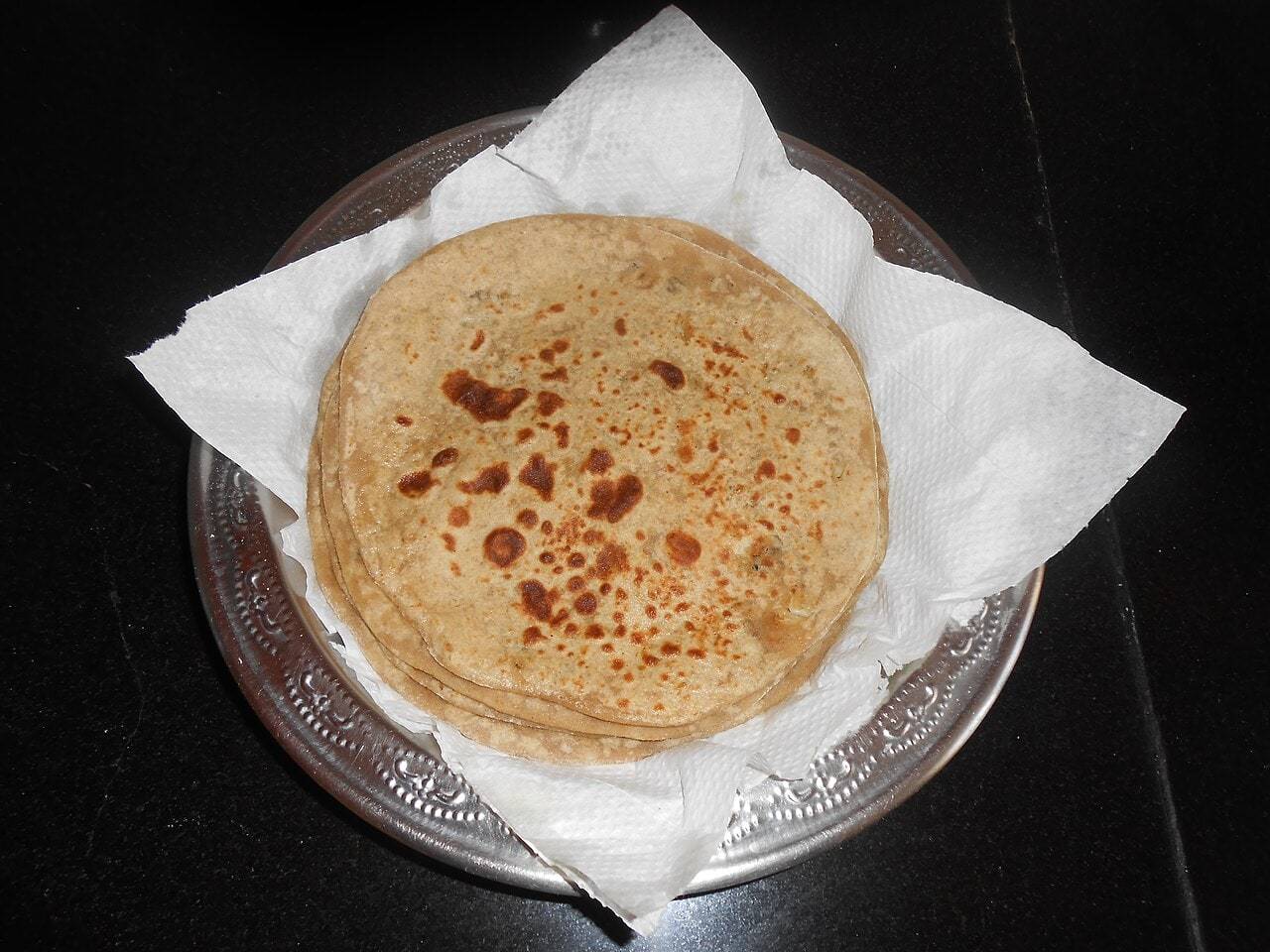
Chana sattu is also used in fillings for litti and paratha and in sweets such as ladoo. Those preparations need recipes of their own: the liquid and seasoning suitable for a drink do not make a bread filling.
Shopping for the right form
Look for the named grain or pulse, whether it is roasted and any added ingredients. A barley-containing blend and a gram-only product are different purchases, including for anyone who needs to avoid wheat-family gluten.
The word sattu tells part of the story. The ingredient list finishes it.