Besan Flour: What Gram Flour Is and How to Use It
Besan is flour made from chana dal, the split, skinned form of Bengal gram.
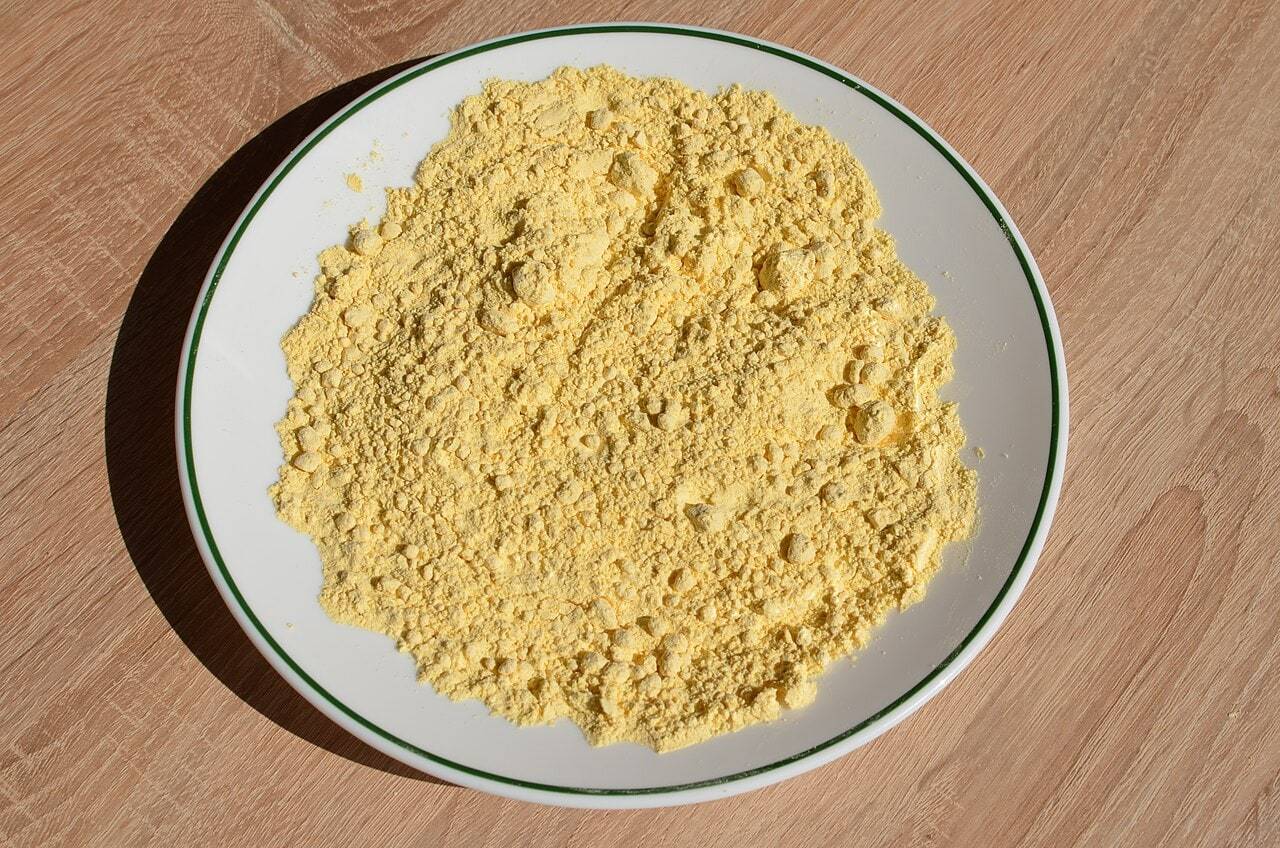
Besan is flour made from chana dal, the split, skinned form of Bengal gram. It is often called gram flour and is used in Indian batters, savoury pancakes, sweets and other preparations.
The pale yellow powder is a different ingredient from wheat flour. It contributes its own flavour and cooking behaviour rather than acting as an invisible stand-in for any flour in the cupboard.
Besan and chickpea flour labels
English-language packaging can use chickpea flour broadly. A product made from garbanzo beans and a besan made from chana dal may both be described that way. Check the ingredient and the recipe's terminology, particularly when texture matters.
For a recipe explicitly asking for besan, a packet labelled besan or chana dal flour is the clearest match. Aashirvaad identifies its besan as 100% chana dal, while Bob's Red Mill lists garbanzo beans for its chickpea flour.
A useful first dish: besan chilla
Besan chilla is a savoury pancake made with a pourable gram-flour batter. Onions, tomatoes, herbs and spices are common additions. Unlike a wheat bread dough, the batter is spread on a pan rather than kneaded and rolled.
Use a complete chilla recipe for the water and cooking method. The batter needs to spread, but it also needs enough body to hold the additions together. Adding a large quantity of wet vegetables to an unchanged batter can make that balance harder to manage.
Besan is not sattu
Chana sattu is made from roasted gram and is used in preparations including drinks and fillings. Ordinary besan should not be substituted into a mix-and-drink preparation that expects that roasted product. Similar colour is doing very little useful work here.
Choose the flour for its intended dish: besan for a besan batter, the specified chickpea flour for another recipe, and sattu where sattu is required.