Besan vs Chickpea Flour: Same Family, Different Results
Besan and chickpea flour are related, but the names do not always identify the same product.
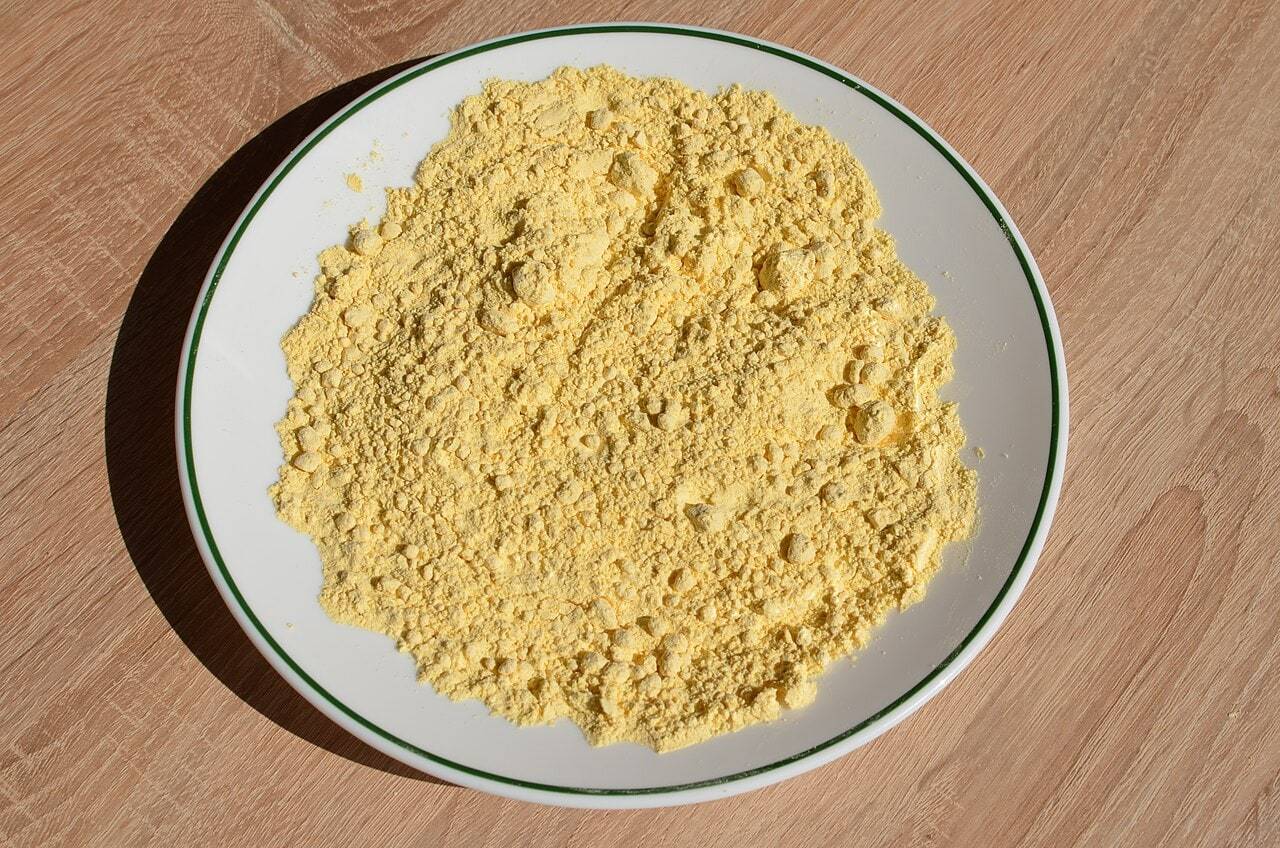
Besan and chickpea flour are related, but the names do not always identify the same product. For an Indian recipe that specifically calls for besan, flour labelled besan or chana dal flour is the clearest choice. A bag of garbanzo flour may be made from a different type of chickpea.
This is a case where translating an ingredient into English can remove a useful detail.
What each name usually means
Besan is commonly milled from chana dal: split, hulled desi chickpeas. Aashirvaad, for example, specifies chana dal for its besan. Chickpea flour sold for dishes such as socca may instead be milled from the larger pale chickpeas also called garbanzo beans.
Both belong to the chickpea family. Calling besan “chickpea flour” is therefore understandable, but it can leave a cook unsure which bag a recipe writer actually used.
| Label or description | What to check |
|---|---|
| Besan, gram flour or chana dal flour | Whether it is plain flour, and whether the recipe wants a fine or coarse grind |
| Chickpea or garbanzo flour | The producer's ingredient description and the recipe's intended flour |
| Roasted gram flour or sattu | Whether it has already been roasted; this is a further distinction |
| Pakora or chilla mix | Other ingredients, seasoning and raising agents |
Does the difference matter in cooking?
It matters most when flour is the main ingredient and its texture carries the dish. In besan ladoo, roasting, grind and the balance of flour to ghee affect how the mixture comes together. Dassana Amit explicitly distinguishes besan from white chickpea flour in her ladoo recipe. Follow that recipe with its named flour rather than assuming an identical weight of any chickpea product will behave identically.
For a savoury batter, there may be more room to adjust consistency. Even there, use a recipe written for the flour you own if you want a dependable result. Batter thickness can be adjusted; a changed flavour or grind cannot be whisked away.
Can one substitute for the other?
Sometimes a recipe author supplies an alternative and a liquid adjustment. Use that guidance for that dish. There is no single conversion that covers a crisp fritter coating, a soft pancake and a sweet bound with ghee.
Do not substitute sattu on the assumption that every chickpea flour is raw besan. Roasting changes the starting ingredient and the cooking method needed. Read our besan guide if you are choosing your first bag.
A quick shopping decision
For a recipe saying besan, buy plain besan. For a recipe saying chickpea flour, check the author’s product notes or ingredient photograph. If you cannot establish which was used, start with a small batch and record your liquid adjustments. That is cheaper than discovering the distinction halfway through a festival-sized bowl.