Rice Paper vs Spring Roll Wrappers: How to Buy the Right Sheets
“Spring roll wrapper” is an ambiguous shopping instruction.
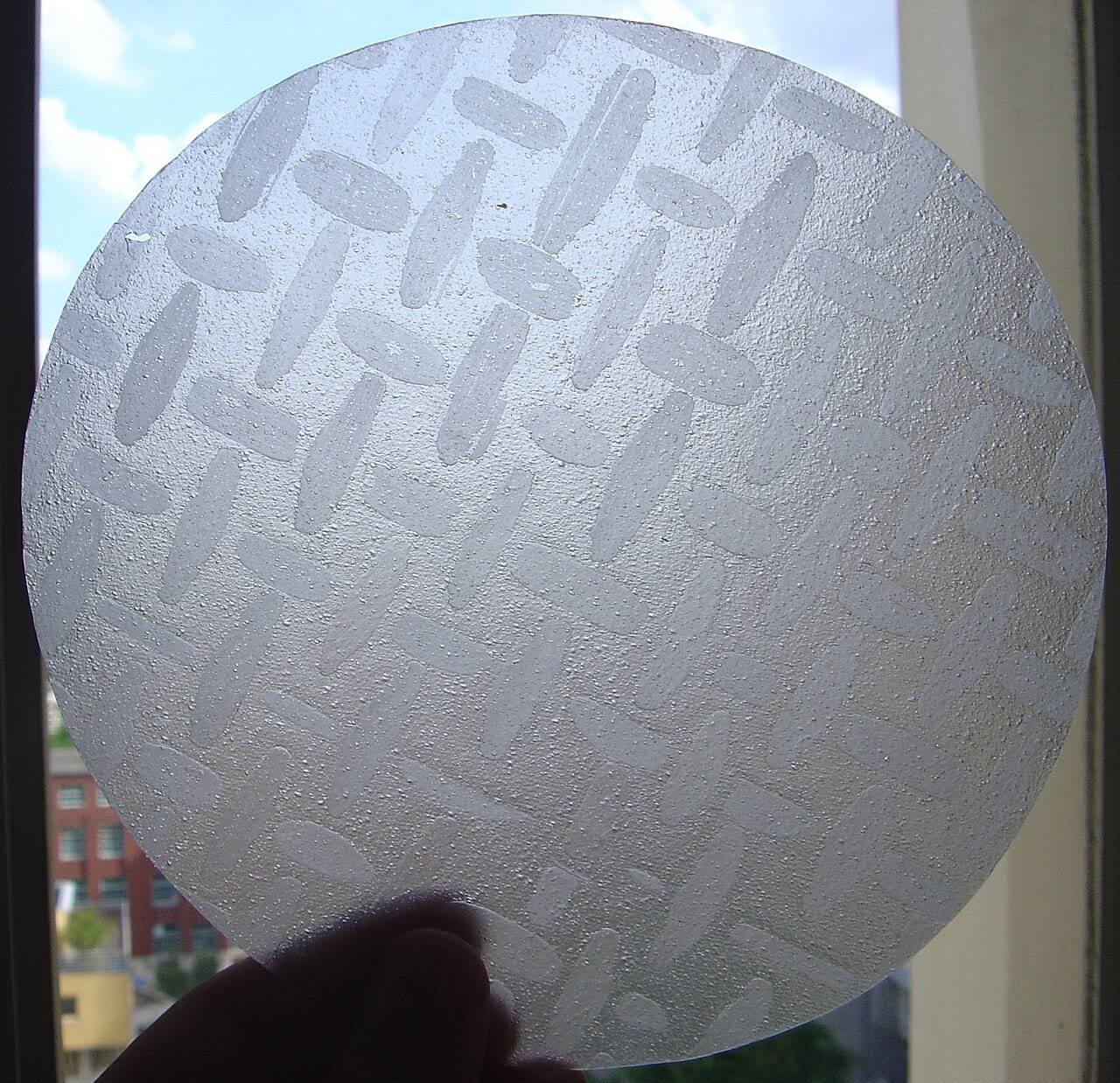
“Spring roll wrapper” is an ambiguous shopping instruction. It may refer to dried rice paper or to thin wheat-based pastry. For fresh Vietnamese-style rice paper rolls, look for rice paper intended for that use. For a recipe naming frozen spring roll pastry, buy that pastry rather than a dried rice paper round.
The name of the finished roll is not enough to identify the wrapper. Read the ingredients and preparation directions before you start filling it.
Spot the difference
| Clue | Dried rice paper | Thin spring roll pastry |
|---|---|---|
| Before preparation | Usually stiff, dry and translucent | Usually flexible sheets after suitable thawing |
| Ingredients | Rice and/or tapioca are common | Wheat flour is common; other ingredients vary |
| Preparation | Moisten according to the product and dish | Follow thawing and cooking directions; do not assume it needs a rice-paper water dip |
| A familiar use | Fresh rice paper rolls; certain varieties also suit frying | Many crisp fried spring rolls; some products have other uses |
This is a shopping guide to two common categories, rather than a complete classification of every Asian wrapper.
Rice paper is not only for fresh rolls
Vietnamese food writer Andrea Nguyen explains that rice paper is also used for chả giò, fried rolls. Some cooks instead use wheat-based spring roll skins. That is why the shortcut “rice paper is fresh, wheat pastry is fried” eventually lets you down.
For frying, choose the wrapper specified in a reliable recipe and follow that method. Changing the sheet can change how you moisten, seal and cook the roll. A fresh-roll wrapping method is not automatically a frying method.
Why does the ingredient list matter?
Rice paper may contain tapioca as well as rice. Meanwhile, wheat-based pastry can include additional ingredients that matter for allergies or dietary preferences. Check the actual package rather than assuming all spring roll wrappers are gluten-free, egg-free or vegan.
Do not mistake confectionery wafer paper for a roll wrapper. The same English words can appear around cake decoration, but that does not establish suitability for a savoury roll.
If you have the wrong wrappers
Change the dish to suit them. Dried rice paper intended for fresh rolls can hold a suitable ready-to-eat filling after preparation. Frozen pastry needs the preparation and cooking its manufacturer specifies. Neither is a reason to abandon the filling; it is a reason to choose the matching method.
Start with one test roll before preparing a trayful. It is much easier to adjust the amount of filling after one overstuffed roll than after twenty. For rice paper handling, see how to soften rice paper for rolls.