How to Soften Rice Paper for Rolls Without Making It a Sticky Mess
For ordinary dried rice paper intended for fresh rolls, moisten one sheet briefly, lay it on your work surface and allow it to finish softening while you add a modest filling.
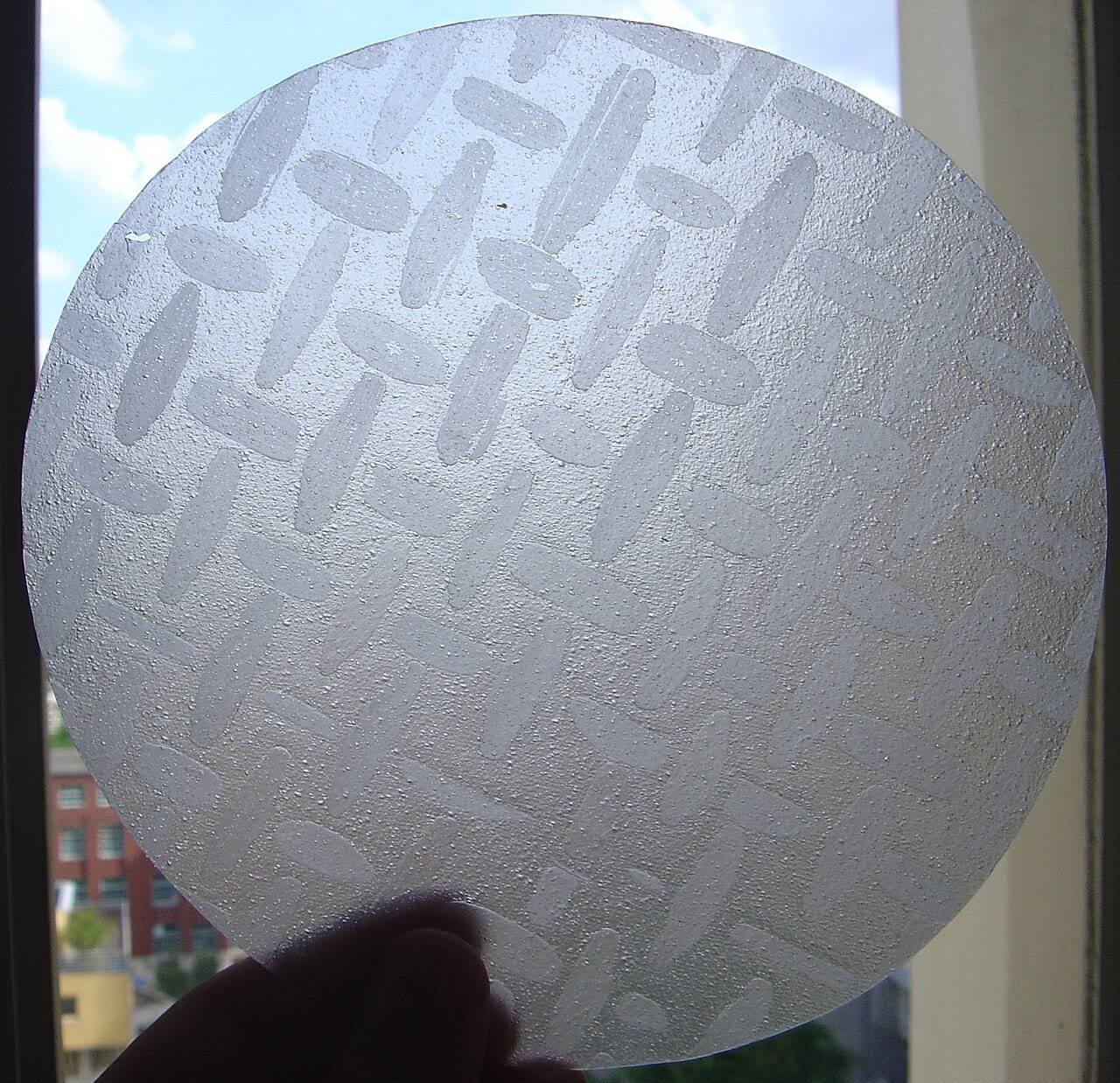
For ordinary dried rice paper intended for fresh rolls, moisten one sheet briefly, lay it on your work surface and allow it to finish softening while you add a modest filling. Do not leave every sheet soaking until completely limp. Follow the packet if it specifies a different method: rice paper varies considerably.
The wrapper should become flexible enough to fold, rather than so fragile that lifting it becomes a rescue operation.
Set up before wetting a sheet
Have the prepared filling, a flat work surface and a shallow dish of water ready. Use ready-to-eat fillings for a fresh roll: softening the wrapper does not cook what goes inside it.
Check that the packet is dried rice paper rather than frozen wheat-based pastry. The phrase spring roll wrapper appears on both. See rice paper vs spring roll wrappers if the contents do not match the method you expected.
Work one roll at a time
- Use the water temperature your packet recommends. Cool or lukewarm water is specified by some manufacturers; boiling water is not a universal requirement.
- Moisten one sheet briefly and evenly. Do not hold it submerged while assembling the filling elsewhere.
- Lay it flat and wait for it to become flexible. It can continue softening after leaving the water.
- Add a compact line of filling. Leave enough uncovered wrapper to fold and seal.
- Fold gently around the filling. Avoid stretching the sheet to force an oversized bundle inside.
- Set finished rolls apart. Wet wrappers can stick to one another; do not immediately pile them into a heap.
If the wrapper tears
Try a shorter wetting stage on the next sheet, less filling and gentler handling. Remove sharp protruding pieces from the filling. If it remains stiff instead, give it a little more time to hydrate before assuming it needs a long soak.
Andrea Nguyen's buying guide explains why some thin rice papers need very little wetting, and why the balance of rice and tapioca affects handling. One brand's successful timing is a starting observation, not a law of wrappers.
If it sticks to the work surface
Check for excessive soaking and use the surface recommended by your recipe or product. Test one sheet before changing the entire setup. Working faster is not the only answer; a wrapper that has become too wet may simply need less water next time.
These directions are for fresh rolls. Fried rice-paper rolls can require different wrappers and preparation. Follow a frying recipe rather than putting a roll assembled by any fresh-roll method straight into hot oil.