Pot Barley: What It Is and How It Differs From Pearl Barley
Compare pot, pearl and hulled barley and find practical ways to prepare and serve pot barley.
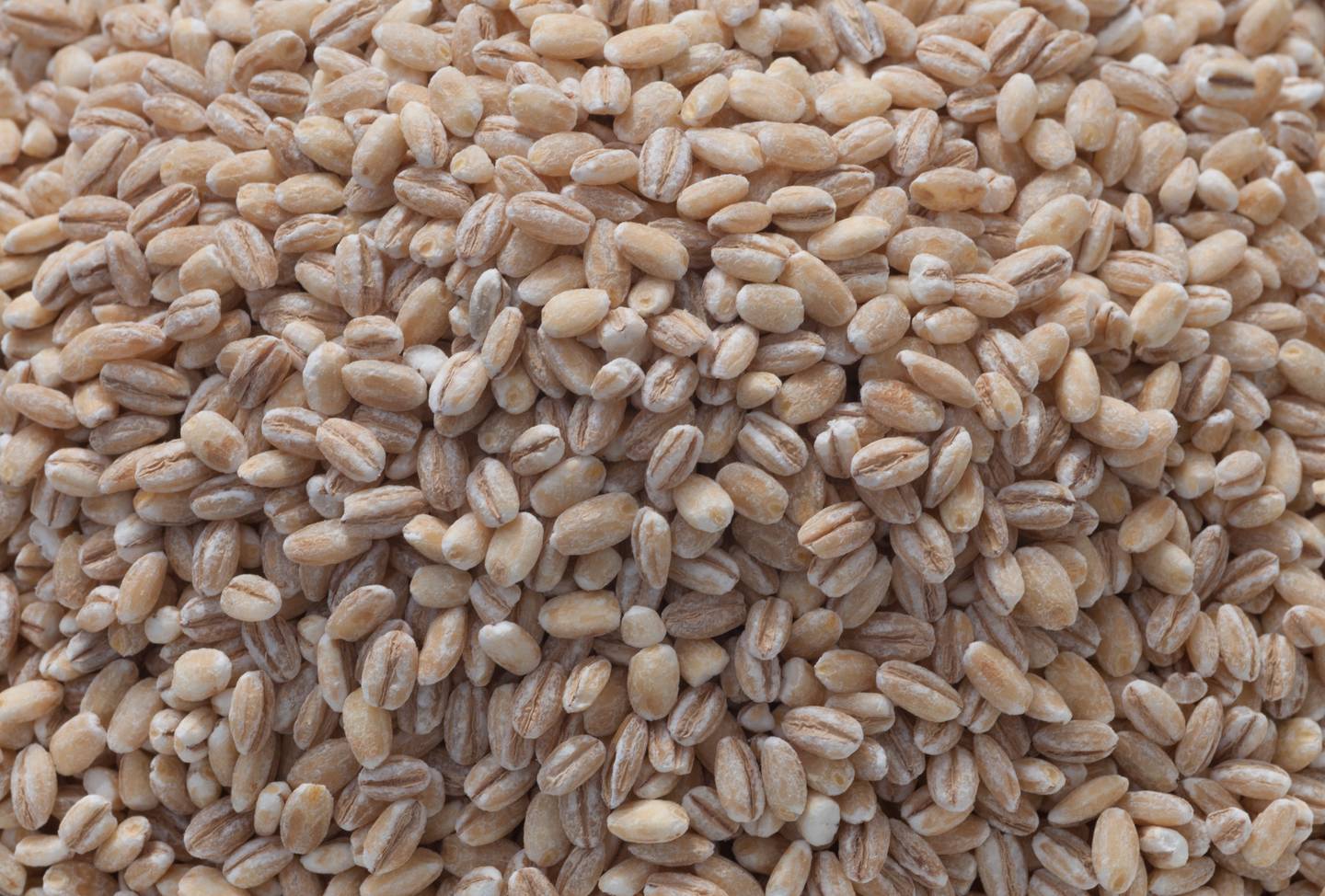
Pot barley is a processed form of barley that sits between hulled barley and pearl barley in the amount of polishing it receives. It makes a chewy addition to soups, stews and grain salads, but its exact cooking directions depend on the product in your cupboard.
Its name can sound like a piece of kitchen equipment. Fortunately, the only pot you need is the one you're already planning to cook in.
Pot, pearl and hulled: read the label
Barley begins with an inedible outer hull that must be removed. Hulled barley is processed to remove that hull while retaining as much of the grain as possible. According to the Whole Grains Council, pot barley is polished more than hulled barley but less than pearl barley.
| If the packet says | What to know |
|---|---|
| Hulled barley | A less-polished form; allow for the directions on that package. |
| Pot barley | A partially polished form, between hulled and pearl. |
| Pearl barley | More polished; often quicker to cook than whole-grain barley. |
Processing varies, so the label and the manufacturer's instructions are more useful than assuming every bag with the same name cooks identically.
How do you cook pot barley?
Follow the liquid and timing on the packet, and rinse first if directed. Simmer until the grains are tender throughout, then decide whether you want a little chew for a salad or a softer result for a stew. If the pot is short of liquid before the grains are ready, add some hot water or broth.
Taste a few grains rather than relying on a single one. Different batches and recipes can behave differently, especially when barley is cooked alongside other ingredients.
Where does it work best?
Pot barley is a natural fit for a hearty soup, where its chew gives a spoonful something to hold on to. Cook it separately for a salad or bowl when you want to control its texture before mixing it with vegetables and dressing. It can also serve as the grain in a warm side dish.
You can adapt a recipe that calls for pearl barley, but allow for the possibility of a different cooking time and texture. If the other ingredients cook quickly, preparing the barley separately may give you more control.
Barley contains gluten and is unsuitable for a gluten-free diet.