Pearl Barley: A Practical Guide to Cooking and Using It
Learn what pearl barley is, how to cook it and how it compares with hulled and pot barley.
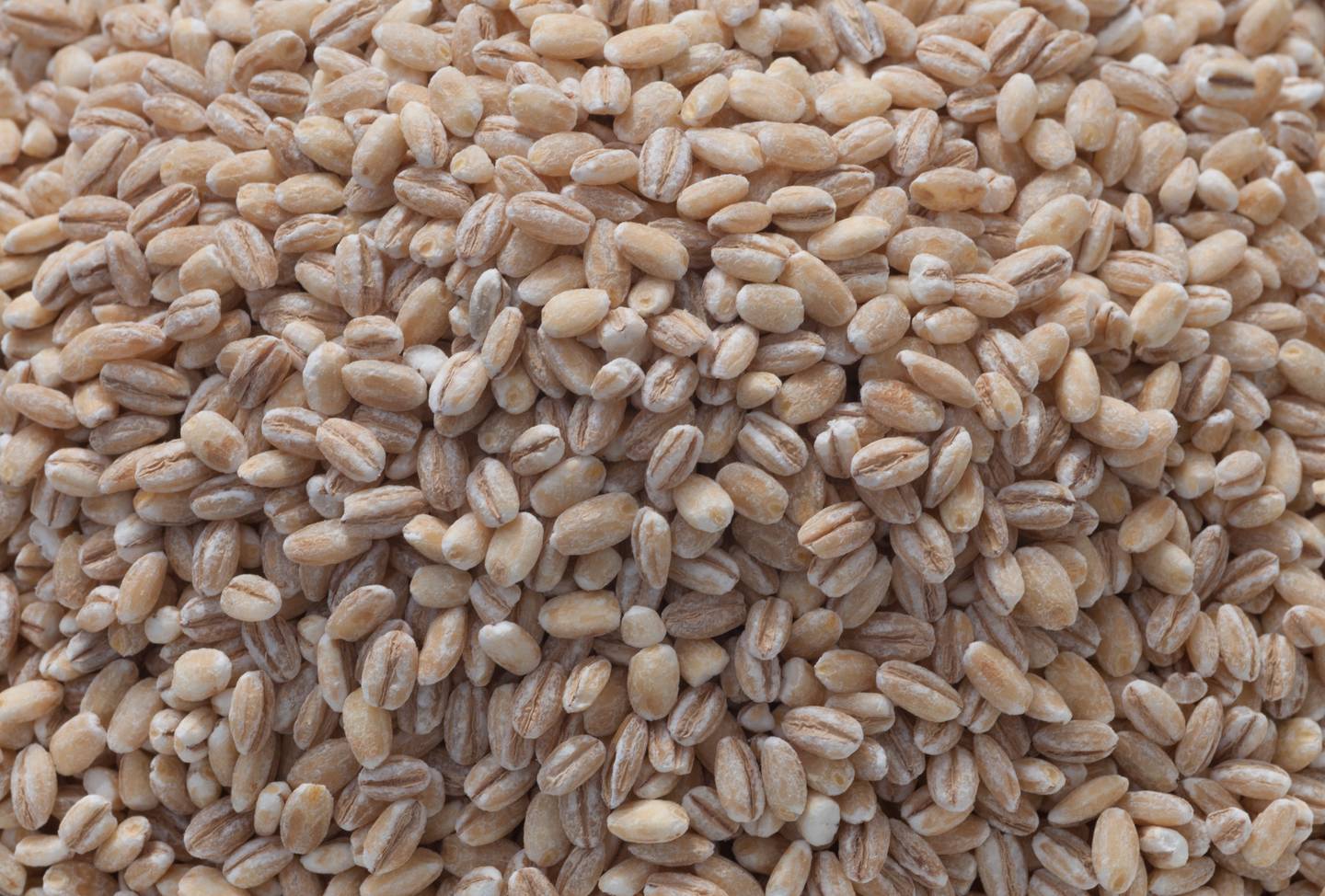
Pearl barley is barley that has been polished to remove its inedible hull and some or all of the outer bran. It cooks more quickly than whole-grain barley and brings a pleasantly chewy texture to soups, salads and warm side dishes.
The word “pearl” describes the processing, not a promise that every grain will be perfectly white. The amount of polishing can vary, and so can the appearance.
What does pearl barley taste like?
Cooked barley has a mild, grainy flavor and a substantial bite. It is a good companion for mushrooms, roasted vegetables and savory broths because it adds texture without asking every other ingredient to stand aside.
For soup, the grains can make a broth feel more substantial. For a salad, aim for tender grains that still have some chew, and drain any excess cooking liquid before adding the dressing.
Pearl barley, pot barley and hulled barley
The difference is processing. Hulled barley has had the inedible hull removed with the grain kept as intact as practical. Pot barley is polished more than hulled barley, while pearl barley is generally polished further. Pearl barley is not classified as a whole grain by the Whole Grains Council; it is still a useful ingredient in its own right.
These names can be easy to skim past when shopping. They matter most when a recipe calls for a particular form, because a less-processed grain can need a different cooking time. Check the bag before treating one as a direct replacement for another.
How to cook it
Check the package directions, rinse if instructed, and cook in water or broth until the grains are tender with the texture you want. Use the specified liquid and timing for the method on your packet. A soup that cooks the barley in its broth may need a different amount of liquid from a separately cooked salad grain.
For a starting point, Washington State's grain guide suggests 3 cups of water for 1 cup of pearled barley: bring to a boil, cover and simmer for about 50–60 minutes, then let it stand covered for 5 minutes. Products and pans vary, so use your packet's instructions if they differ and check for tenderness. Quick-cooking barley follows a different schedule.
Start checking before the stated time has fully elapsed and taste several grains. They should be tender rather than hard in the middle, with the chew that suits your dish. Add hot liquid if the pot is drying out before the barley is ready.
Ways to use it
Add cooked pearl barley to a warm vegetable bowl, fold it through a salad with herbs, or simmer it in a soup. It can also stand in for a grain side, although a swap will alter the texture of a recipe written for rice or another grain.
Barley contains gluten. It is not suitable for someone who must avoid gluten.