Palm Sugar Substitutes for Thai Curry: A Practical Guide
Light brown sugar is a useful substitute when a Thai curry recipe calls for a small amount of palm sugar.
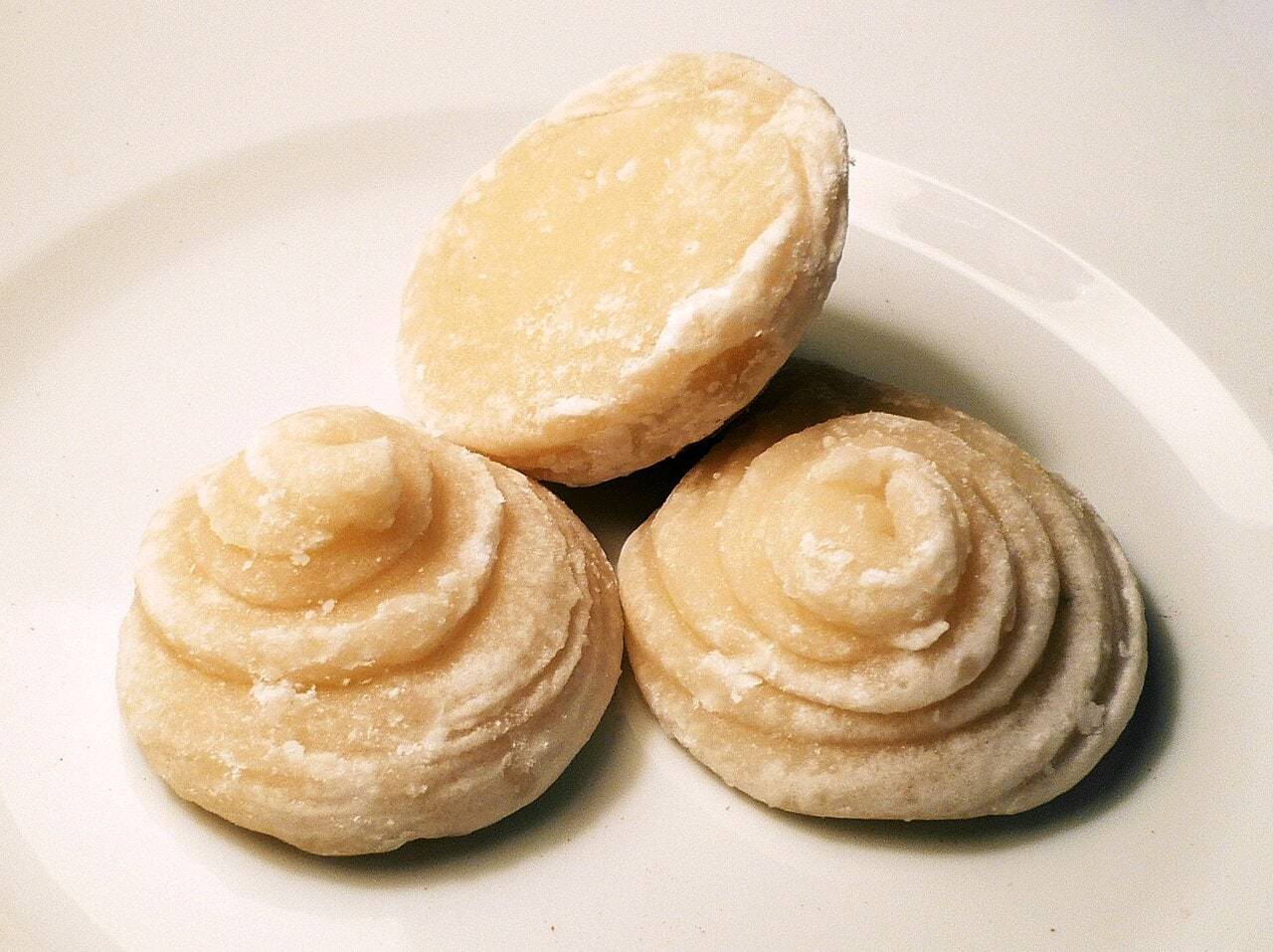
Light brown sugar is a useful substitute when a Thai curry recipe calls for a small amount of palm sugar. White sugar can also supply sweetness when that is the main job. Start with a modest addition, let it dissolve, then taste the curry before adding more.
The target is the balance of the finished dish, rather than making every replacement reproduce palm sugar's aroma exactly.
Pick the substitute by its role
| What you have | When it makes sense | What to consider |
|---|---|---|
| Light brown sugar | A convenient first choice | Offers some caramel character as well as sweetness |
| White sugar | A small balancing addition in a strongly flavoured curry | Supplies sweetness with less of palm sugar's flavour |
| Coconut sugar | If its flavour suits the dish | Products vary; do not assume every dark granulated sugar tastes like pale Thai palm sugar |
| Maple syrup or another strongly flavoured syrup | An intentional experiment | Adds its own aroma and liquid rather than being an invisible replacement |
There is no need to use the most elaborate sweetener in the cupboard. A little ordinary sugar may do the required job more quietly.
How much should you add?
If the recipe supplies a substitute quantity, use it. Otherwise, for a small savoury addition, begin below the stated palm-sugar amount and adjust after it has dissolved. This is a tasting method, not a universal conversion for every palm-sugar product.
Weight is more informative than volume when comparing a solid block, a soft paste and loose granules. A spoon of finely chopped sugar and a spoon of dense paste can hold different amounts. Do not assume their identical spoon measurements mean identical quantities.
Taste near the end of cooking, once the curry's liquid and seasoning are close to their final balance. If a packaged curry paste or another ingredient already contributes sweetness, you may need less than expected. Follow the recipe's intended flavour rather than adding sugar automatically because a table says so.
When the difference matters more
Pailin Chongchitnant distinguishes a little sugar in a strongly flavoured curry from preparations where the sugar's own flavour is prominent. A substitution acceptable in curry may be much more noticeable in a dessert, dressing or pad Thai sauce.
For those dishes, choose a recipe that names an accessible alternative. Do not transfer a quick curry adjustment to a confectionery recipe, where sugar also has a structural role.
What if the curry becomes too sweet?
More salt or acid may change the balance, but it does not remove the added sugar. Stop adding sweetener early enough to avoid needing a rescue. If you overshoot badly, increasing the unsweetened portion of the dish may be more useful than chasing the taste with another succession of seasonings.
Our coconut milk guide explains another ingredient choice that can change a curry's richness and balance.