Little Millet: What Kutki Is and How to Use It
Meet little millet, also called samai, and learn how to prepare and serve it.
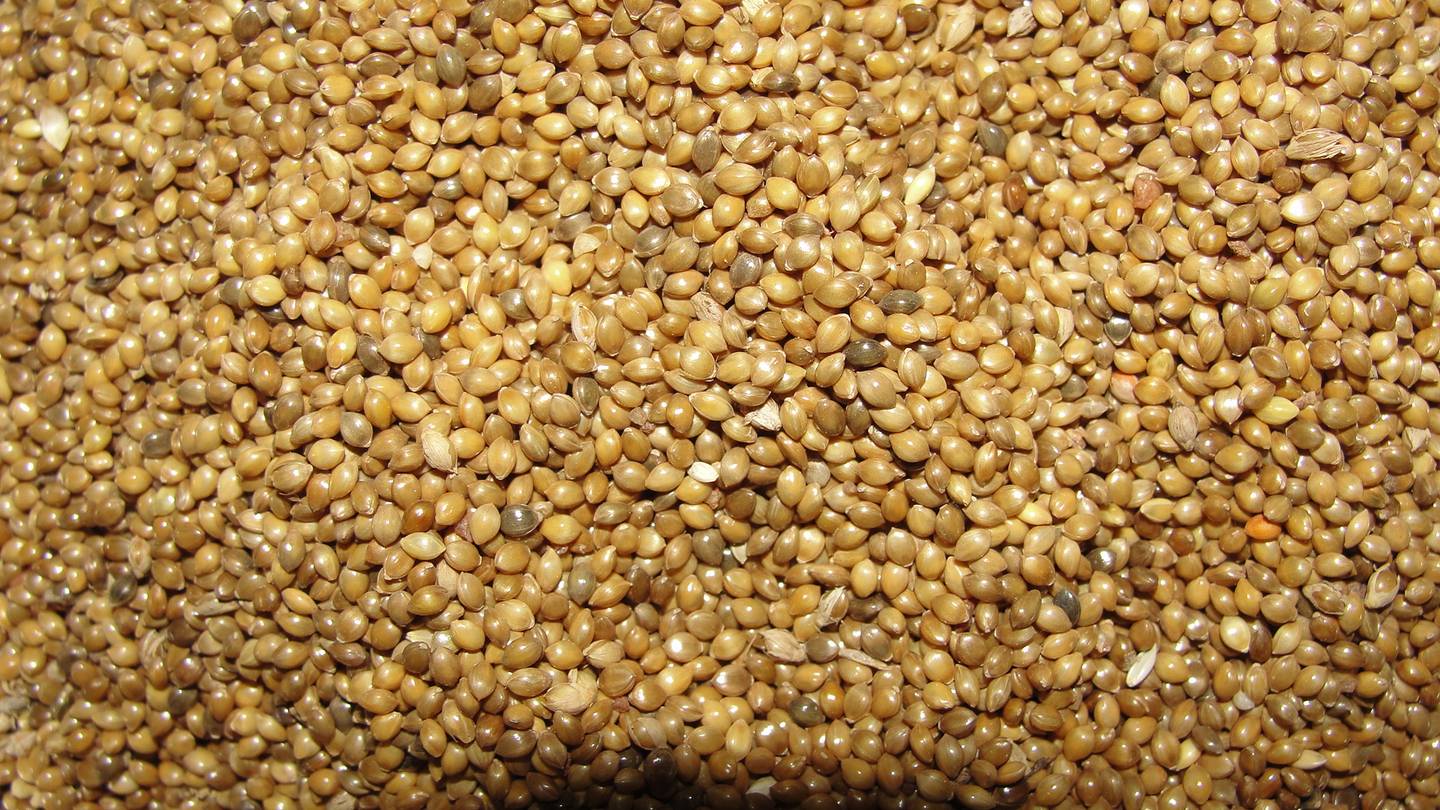
Little millet is a small cereal grain used in parts of South Asia. It is known as kutki in Hindi and by other regional names. Once cooked, it can be served as a grain alongside dal or vegetables, or used in dishes such as upma and pongal.
“Little” describes the grain, not the number of ways to serve it. It is a distinct millet, not merely a smaller package of the generic millet in another aisle.
How do you cook little millet?
First check the product's directions: milling and soaking affect how much water and time the grain needs. Rinse as directed, then cook in the recommended liquid until tender. For a more separate result, let it rest covered and fluff gently; for a softer dish, follow a recipe using more liquid.
One producer's guide suggests 1 part little millet to 2 parts water by volume for a rice-style preparation, with a short covered rest. Treat that as a product-specific starting point, not a universal rule. If the grains are still hard, add a little water and cook longer; if the pan is wet, allow excess moisture to evaporate gently.
What can you make with it?
Serve cooked little millet under a vegetable curry, season it with lemon and spices, or make a savory upma. It can also be cooked softer with dal in a pongal-style dish. Its mild flavor works with both savory and sweet ingredients, but the liquid and technique change with the dish.
Little millet versus foxtail millet
They are separate millet species. Both can replace rice in some meals, but they need not cook identically. If substituting foxtail or another millet in a recipe, prepare the replacement by its own directions and adjust the finished dish for texture.
Is little millet gluten-free?
The grain itself is naturally gluten-free. For coeliac disease or another need to avoid gluten, choose a product labeled suitable for your needs and check blends for wheat or possible cross-contact.