Foxtail Millet: What Thinai Is and How to Cook It
Learn how foxtail millet is used, how it cooks and how to distinguish it from other millets.
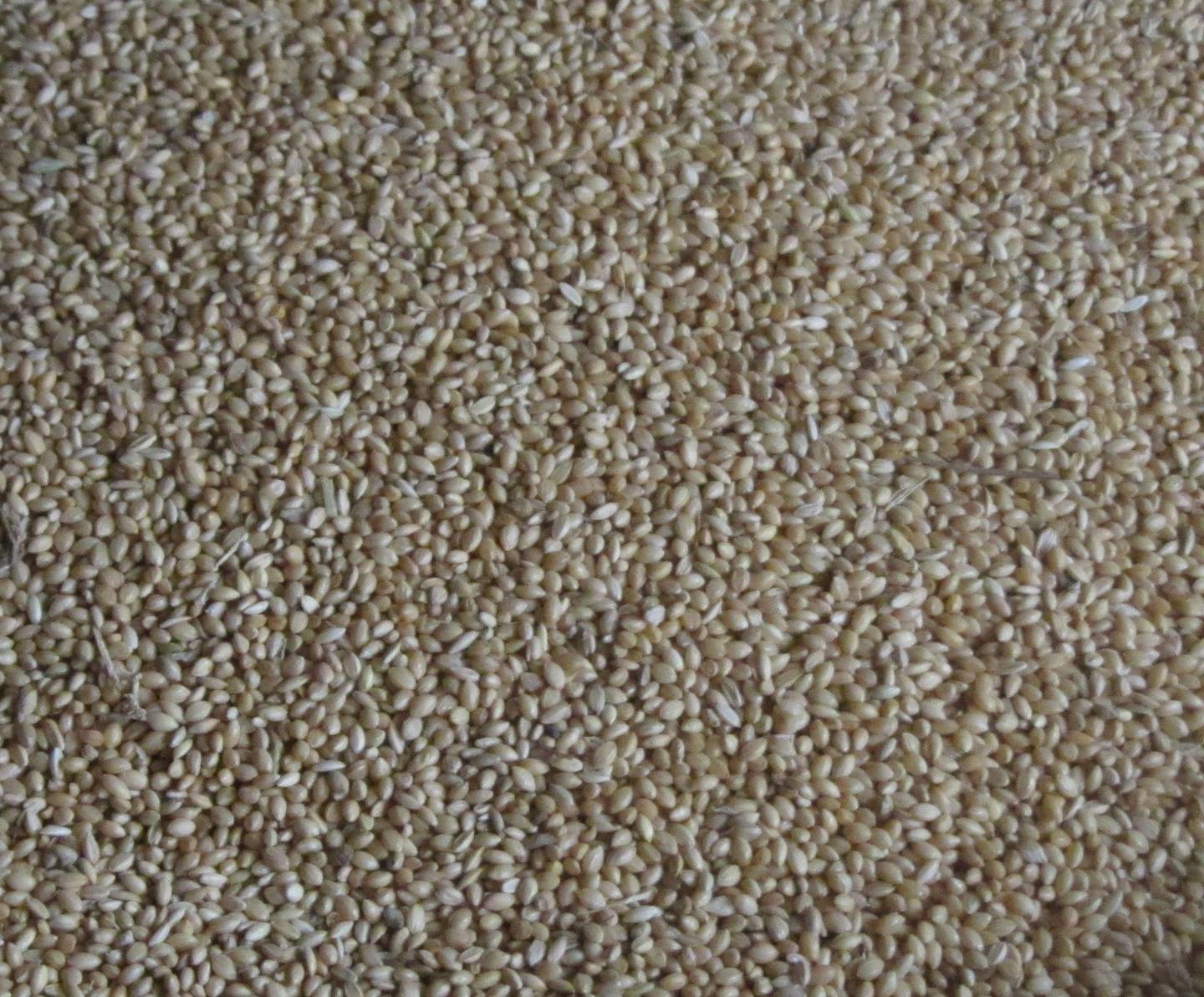
Foxtail millet is a small cereal grain known as thinai in Tamil and kangni in Hindi, among other regional names. It can be cooked as a tender grain or used in dishes such as upma and khichdi. Its mild flavor makes it a comfortable partner for vegetables, dal and aromatic spices.
The plant's long, bristly seed head gives it its name. The grains in your bowl are considerably less fluffy than a fox's tail.
How is foxtail millet used?
In a savory upma, the grain is cooked with vegetables and seasonings. It can also be served alongside a curry or dal, or used in a grain bowl. Depending on the liquid and method, the finished millet may be relatively separate or softer and more porridge-like.
If you see flour, flakes or a ready-to-cook mix labeled foxtail millet, check the recipe's required form. Flour cannot simply be simmered like whole grains to produce the same texture.
How do you cook the grain?
Rinse and prepare the millet according to its package. Products differ in milling and may have different soaking, liquid and timing instructions. Bring the specified liquid to a boil, reduce to a simmer and cook until the grains are tender. Rest and fluff gently if your recipe calls for separate grains; add more liquid when making a softer porridge.
For a first try, use a recipe specifically written for foxtail millet upma or another named dish. That gives the grain and vegetables time to cook together rather than treating all millets as identical.
Foxtail versus little millet
They are different millet species, although both can be cooked in rice-like preparations. Little millet is also known as kutki in parts of India. A substitution may work in a flexible upma, but use the replacement's own instructions and expect a different grain size and texture.
Foxtail millet is naturally gluten-free. If you must avoid gluten, choose a product labeled suitable for your needs and check mixes for other ingredients and cross-contact.