Finger Millet: What Ragi Is and How It Is Used
Discover finger millet, or ragi, its earthy flavor and ways to use its grain and flour.
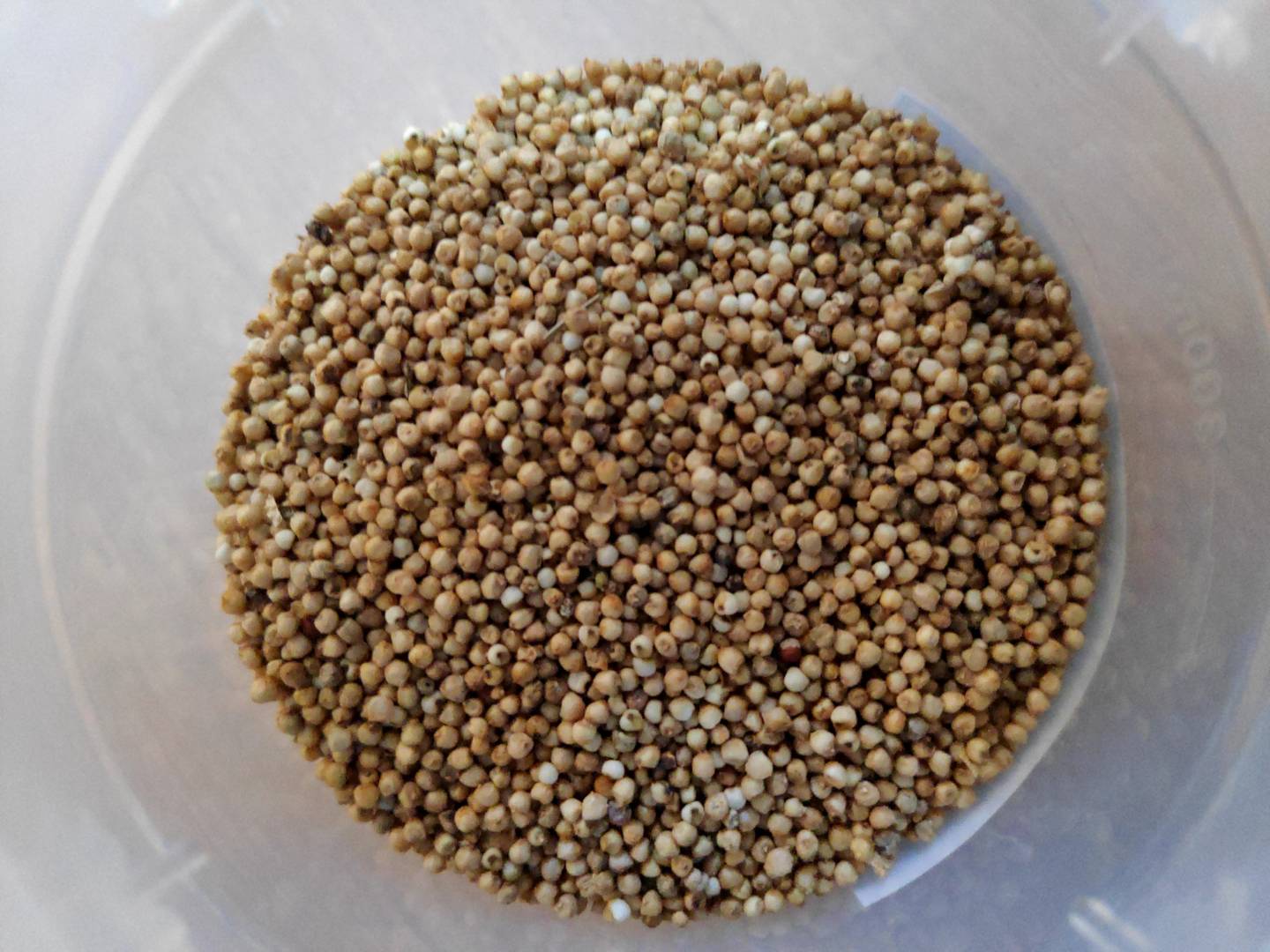
Finger millet is a small cereal grain known as ragi in many parts of India. It is also an important food in parts of East Africa and South Asia. You may find the whole grain, flour or prepared products, each with its own uses.
Its name comes from the finger-like spikes on the plant—not from a required way to eat it. A spoon is perfectly welcome.
What is ragi flour used for?
Finger millet flour can be cooked into porridge or made into flatbreads. In Karnataka, ragi mudde is a firm cooked preparation made from ragi flour and water. Ragi flour is also used in rotis and other regional foods.
Whole finger millet and its flour are not interchangeable without changing the method. Follow a recipe written for the form you've bought. If making a flour-based porridge, mix and cook it as the recipe directs so the flour hydrates evenly and the finished food is thoroughly cooked.
Finger millet versus pearl millet
Finger millet is ragi; pearl millet is bajra. They are different cereals within the broad millet group. Both can be made into flour and flatbread, but their flavor, color and handling differ. A recipe designed for ragi flour may need different water or shaping if you use bajra flour instead.
What does it taste like?
Ragi has an earthy grain flavor that suits both savory and lightly sweet preparations. Pair it with a vegetable curry in a savory meal, or with milk or a suitable alternative and a little spice in a porridge. The texture depends on whether the grain is whole, coarsely ground or finely milled.
Is ragi gluten-free?
Finger millet itself is naturally gluten-free. Check the label if you need to avoid gluten: a flour blend or prepared roti can contain wheat, and cross-contact can occur during processing.