Lima Beans: What Butter Beans Are and How to Prepare Them
Discover lima beans, their forms and texture, and practical ways to prepare them.
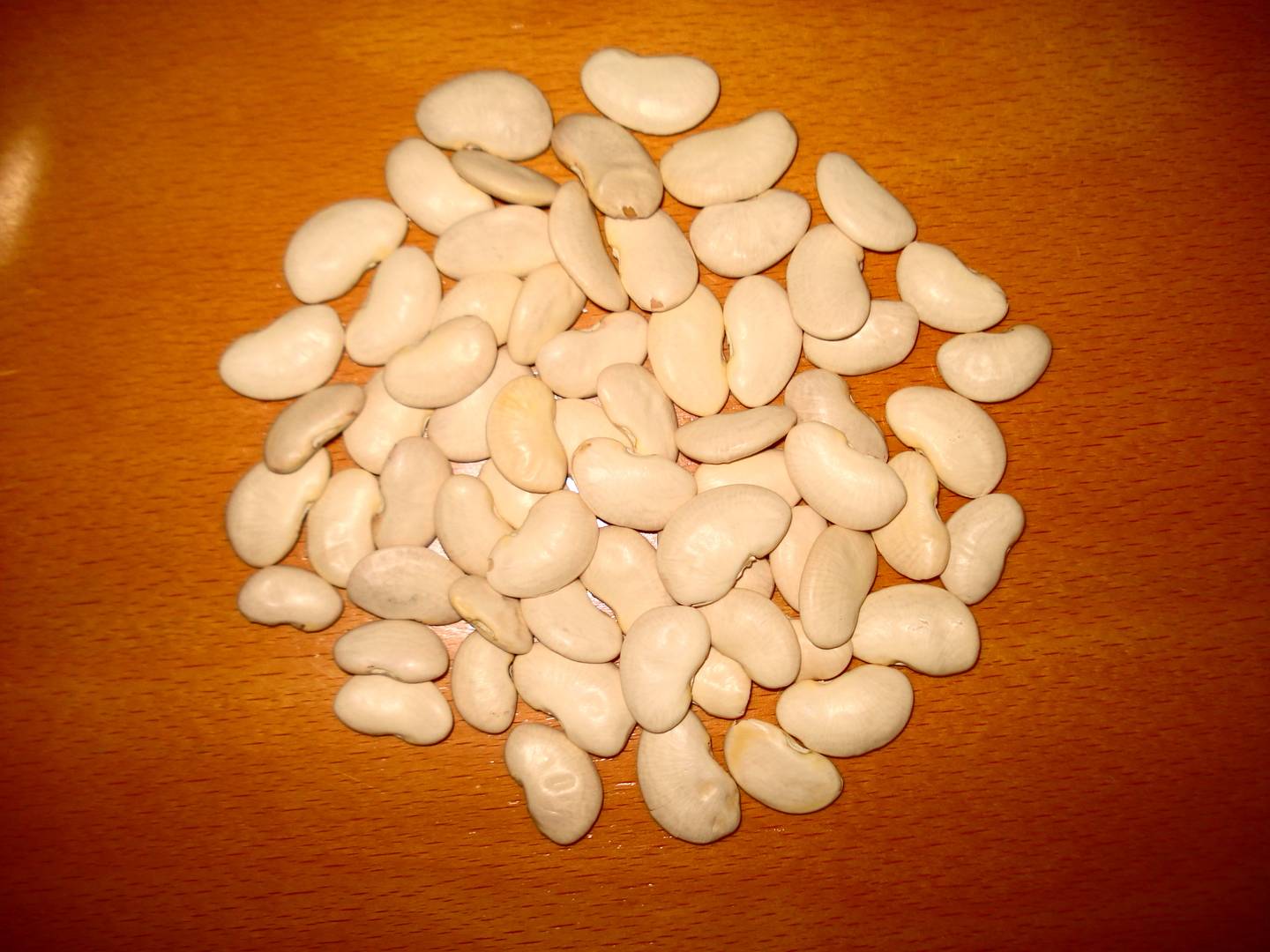
Lima beans are broad, flat beans with a creamy texture when fully cooked. In many places they are also called butter beans, particularly larger pale varieties. You'll find them fresh or frozen, dried and canned; size and color vary with the variety and stage of maturity.
They are useful in soups, stews, salads and sides. Their soft interior takes well to olive oil, herbs and a bright dressing, while their larger size makes them easy to spot in a bowl.
Are lima beans and butter beans the same?
Both names are used for beans of the same species, Phaseolus lunatus, but local naming varies. A package labeled baby lima may contain small green beans, while “butter beans” often describes larger, pale beans. Check the form and size a recipe needs rather than assuming every bag is identical.
Gigantes are another large bean used in Greek dishes. They can sometimes substitute in a stew, but don't assume the names mean the same variety or that their cooking times match.
How do you prepare lima beans?
Do not eat raw lima beans. University of California agricultural guidance notes that raw lima beans contain a compound that can release cyanide; proper cooking is necessary.
- Dried: Sort and rinse, soak and thoroughly cook according to the package and a reliable method. Soaking alone does not make the beans ready to eat.
- Fresh or frozen: Follow the product or recipe instructions and cook fully before serving. Fresh beans need shelling first.
- Canned: Commercial canned beans are already cooked. Drain and rinse if the recipe directs, then warm them or add them to a salad.
Do not use a slow cooker as the only preparation for raw dried beans; a University of California Extension food-safety article cautions that it may not reach a sufficient temperature to destroy bean toxins. Use a reliable stovetop or pressure-cooking method first.
What do they taste like?
Cooked lima beans are mild and buttery in texture. Try them in a tomato and herb stew, with vegetables and grains, or mashed into a creamy spread. If substituting cannellini, remember that dried cannellini are white kidney beans and require their own careful soaking and boiling procedure.