Fava Beans: Fresh Broad Beans, Dried Favas and How to Use Them
Understand fresh and dried fava beans, their uses and the important G6PD safety consideration.
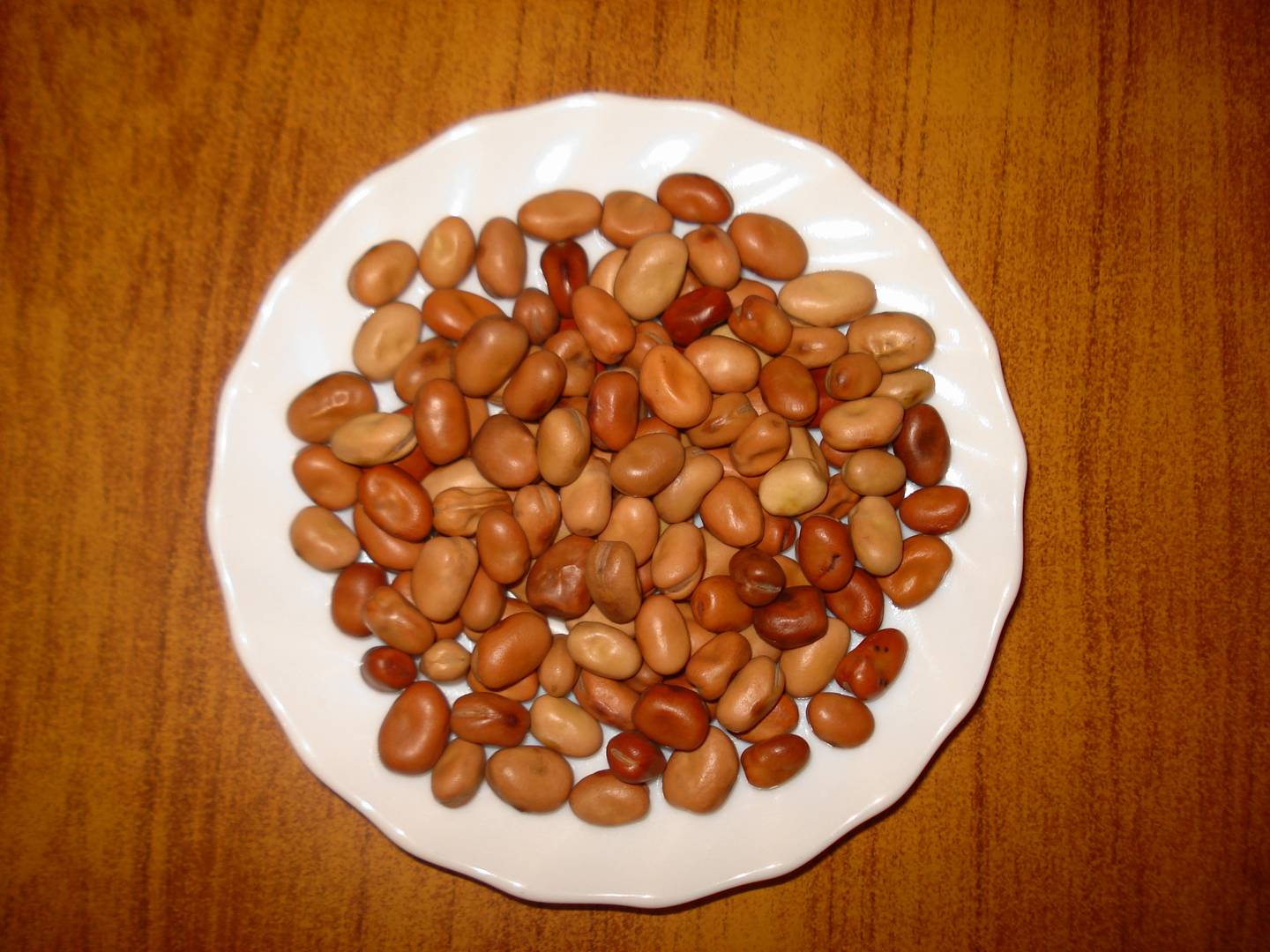
Fava beans, also called broad beans, are large seeds from the fava plant. They are eaten fresh, dried and in prepared foods across many cuisines. Fresh green favas can be a spring vegetable; dried favas become the soft, earthy base of dishes such as Egyptian ful medames.
The form matters at the stove. A fresh bean in its pod, a bag of dried beans and a can of cooked ful are three different starting points, even if the label family name is the same.
A note for people with G6PD deficiency
Fava beans can trigger a serious breakdown of red blood cells in people with glucose-6-phosphate dehydrogenase (G6PD) deficiency. University College London Hospitals lists fava or broad beans among potential triggers. If you have G6PD deficiency, follow your specialist's advice about avoiding them; cooking does not make them an appropriate substitute for that guidance.
Fresh versus dried fava beans
Fresh favas are removed from their pods and cooked. Their individual seeds have an outer coating that many cooks remove before or after cooking, especially when it is thick. The University of Minnesota Extension advises fully cooking fresh favas.
Dried favas may be sold whole with the skin or split and peeled. They require the soaking and cooking method appropriate to the product and dish. Canned favas are already cooked, making them convenient for a quick version of ful or a salad.
What do fava beans taste like?
Fresh beans can taste green and mildly earthy. Dried favas develop a deeper, more substantial bean flavor as they cook and soften. Lemon, olive oil, garlic and herbs can complement both, though the finished texture differs.
How are they used?
- Ful medames: Cooked favas are seasoned and often partly mashed, then served with bread and toppings.
- Fresh sides: Cook shelled beans until tender and serve with herbs or olive oil.
- Soups and purées: Dried or cooked favas can add body; use a recipe written for the form you have.
If starting with dried beans, sort and rinse them and follow the package or a reliable recipe for soaking and full cooking. Drain and rinse canned beans if the recipe calls for it. Don't assume a large dried whole fava cooks in the same time as a small split one.