Koshihikari Rice: What the Name Means When Buying Japanese Rice
Koshihikari is a Japanese short-grain rice variety known for a gently sweet flavour and a cohesive, slightly chewy cooked texture.
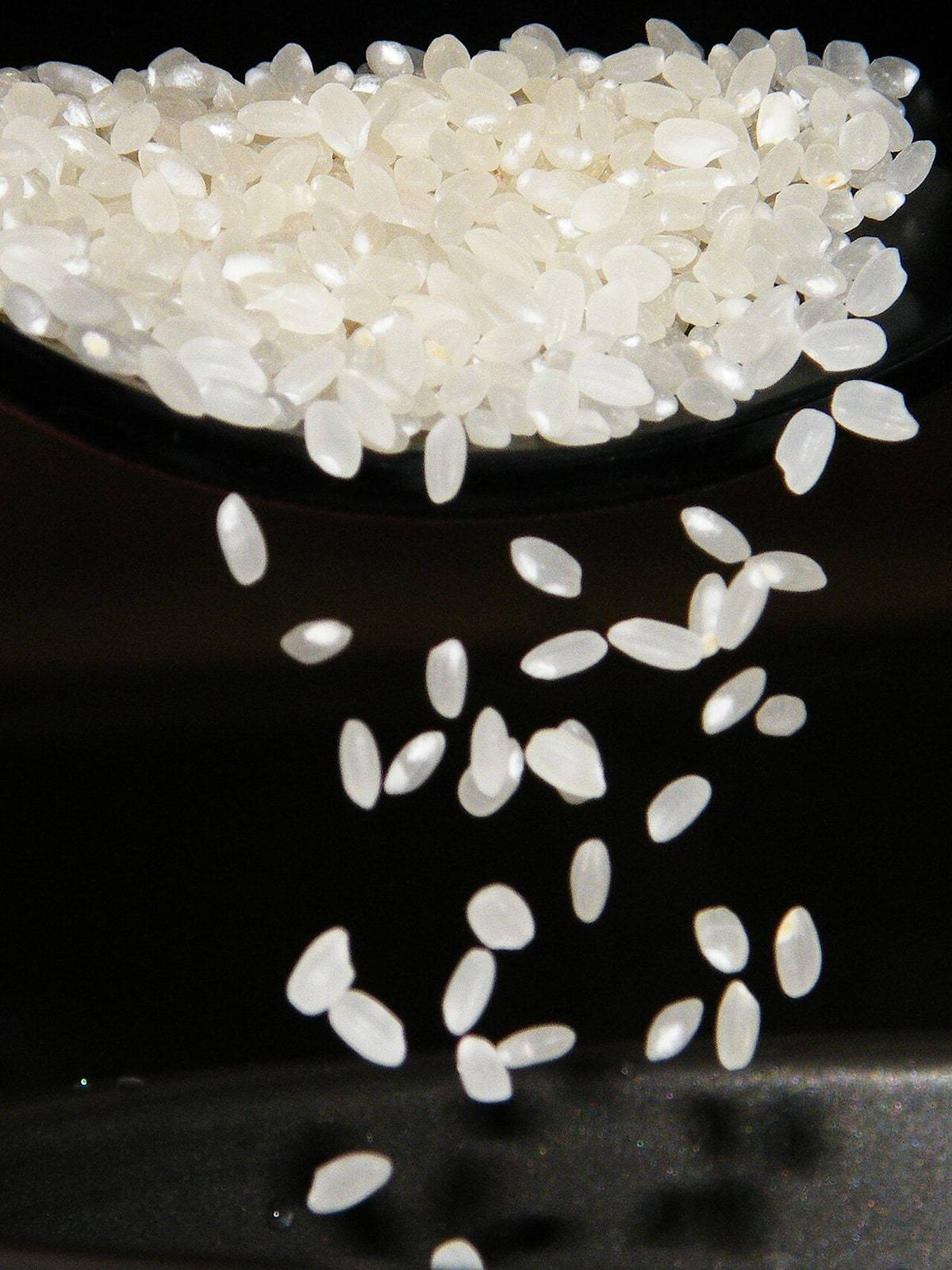
Koshihikari is a Japanese short-grain rice variety known for a gently sweet flavour and a cohesive, slightly chewy cooked texture. It is used for ordinary rice bowls as well as sushi and other Japanese meals.
It is a variety name, not an instruction to season the rice. A plain bowl and a bowl prepared for sushi can start with the same unseasoned grain and then take different paths.
What to check on the packet
Look at the rice variety, origin, milling and cooking directions together. A prominent Koshihikari label does not replace those other details. If you particularly want rice grown in a stated region, check the origin statement rather than inferring it from the variety name.
Also distinguish dry rice from a ready-cooked portion. Product photographs can look remarkably similar while the contents require quite different amounts of work.
Cooking a first bag
Use the packet's preparation directions or a Japanese short-grain method compatible with your cooker. If using a rice cooker, follow its cup and fill markings consistently. Mixing its supplied cup with a standard kitchen cup can change the amount of water unintentionally.
Judge the rice after the prescribed cooking and resting steps. When comparing two bags, keep the preparation consistent so that you can tell whether the difference comes from the rice or from a changed method.
Is it necessary for Japanese cooking?
It is one option within Japanese table rice, not the name for every suitable grain. If your recipe simply asks for Japanese short-grain rice, another appropriate table-rice variety may be available locally.
For a mochi recipe requiring glutinous rice, however, seek out mochigome. Price and table-rice quality do not replace the glutinous-rice texture required by that recipe.