How to Cook Freekeh: Whole and Cracked on the Stovetop
Cook whole or cracked freekeh on the stovetop, check for tenderness and fix grain that is too hard or wet.
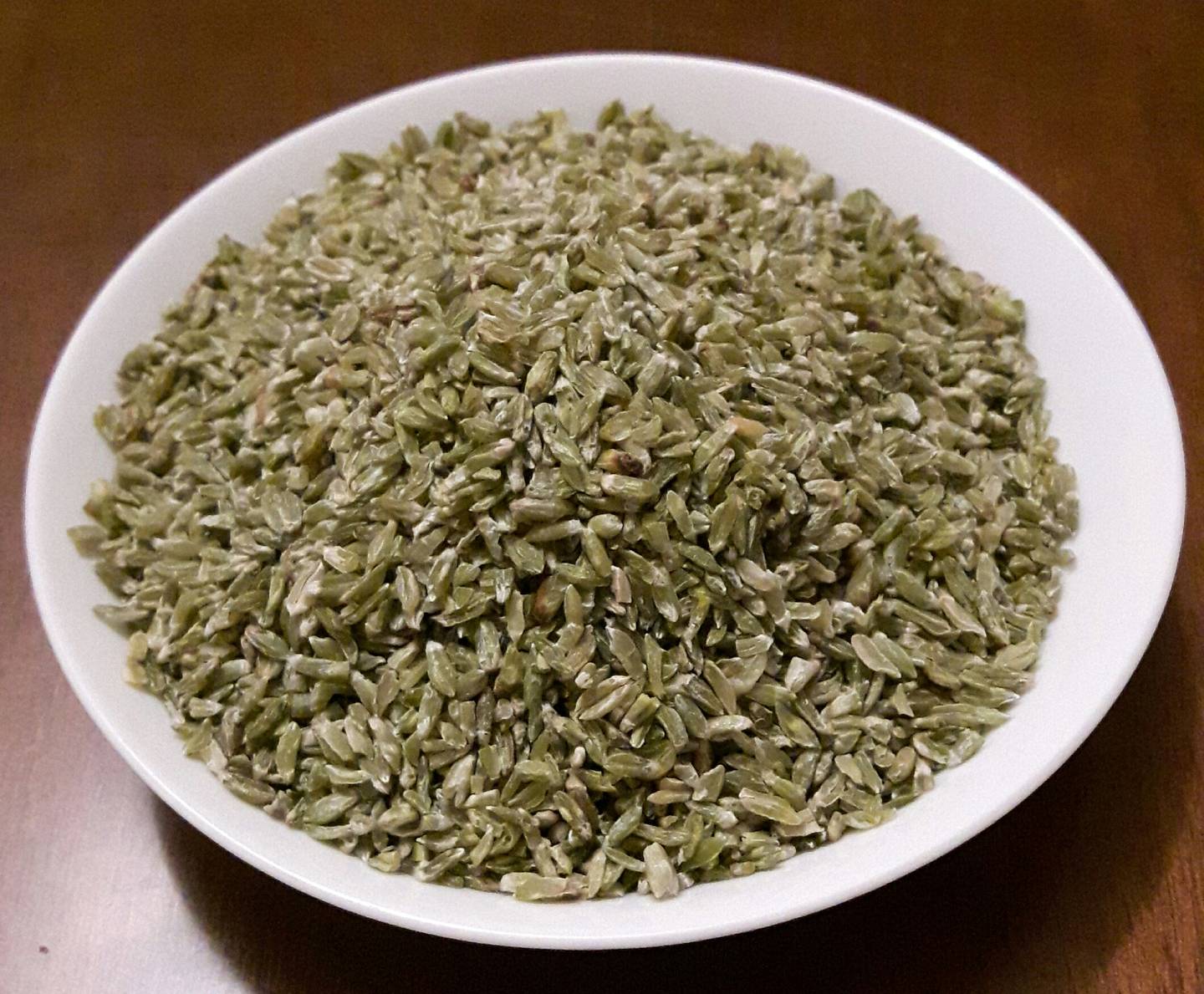
Cook freekeh by simmering it in water or broth until tender. The key is knowing what is in your packet: cracked freekeh generally cooks faster than whole freekeh. Both are roasted wheat and have a pleasantly smoky flavor, but their cooking times are not interchangeable.
| Form | Starting point | Finished texture |
|---|---|---|
| Cracked | Begin checking around 15–20 minutes | Smaller, tender pieces |
| Whole | Begin checking around 35–40 minutes | Larger grains with a firmer chew |
These are guideposts, not a promise from the grain. Great British Chefs gives those ranges; a freekeh producer lists roughly 20–35 minutes for one cracked product and 40–45 minutes for whole. Follow your own packet, especially if it says the grain is precooked.
New to the grain? Our freekeh guide explains its flavor, forms and how it differs from bulgur.
A simple stovetop method
- Check the form and instructions. Measure the freekeh and use the water or broth amount on the packet. Recipes differ in their liquid ratios; some use extra water and drain it, while others rely on absorption.
- Rinse if directed. Drain in a fine sieve. Look through the grain for any debris before cooking.
- Bring to a boil. Add the grain and measured liquid to a saucepan with room for it to expand.
- Simmer gently. Reduce the heat and cover if your method calls for it. Start tasting before the end of the suggested range. The grain should be tender through the center, with a chew you like.
- Finish. Drain excess liquid if using the drain method, or let the grain rest covered if the absorption recipe instructs. Fluff gently with a fork.
For one absorption-style recipe, Forks Over Knives uses 1 cup whole freekeh to 2½ cups water or broth, simmered for 35–40 minutes. Its cracked version uses the same method with a shorter check time. Other recipes use more liquid, so don't add the quantities from two different methods together.
For a salad or a warm pilaf
For a salad, spread the cooked grain in a shallow container so it cools promptly before adding delicate herbs or vegetables. For a pilaf, use broth if you like and fold in cooked vegetables and seasonings. Freekeh's smoke varies by product, so taste before adding more strong spices.
What if it's hard or soggy?
Hard center: Add a splash of water if the pot is dry and continue simmering, checking regularly. Whole freekeh usually needs longer than cracked.
Too wet but tender: Drain excess water and let steam escape. Next time, check the packet's ratio and avoid combining an absorption ratio with a different cooking method.
Too soft: Use it in soup or a softer pilaf. For a salad next time, begin checking earlier; once grains have broken down, they won't regain their former chew.
Storing cooked freekeh
Refrigerate leftovers promptly in shallow containers. The USDA advises refrigerating perishable leftovers within two hours, or within one hour when the temperature is above 32°C/90°F, and using refrigerated leftovers within three to four days. Freekeh is wheat and contains gluten.