Gigante Beans: The Greek Giant Beans Explained
Discover giant beans, how they cook and why they are popular in Greek-style baked dishes.
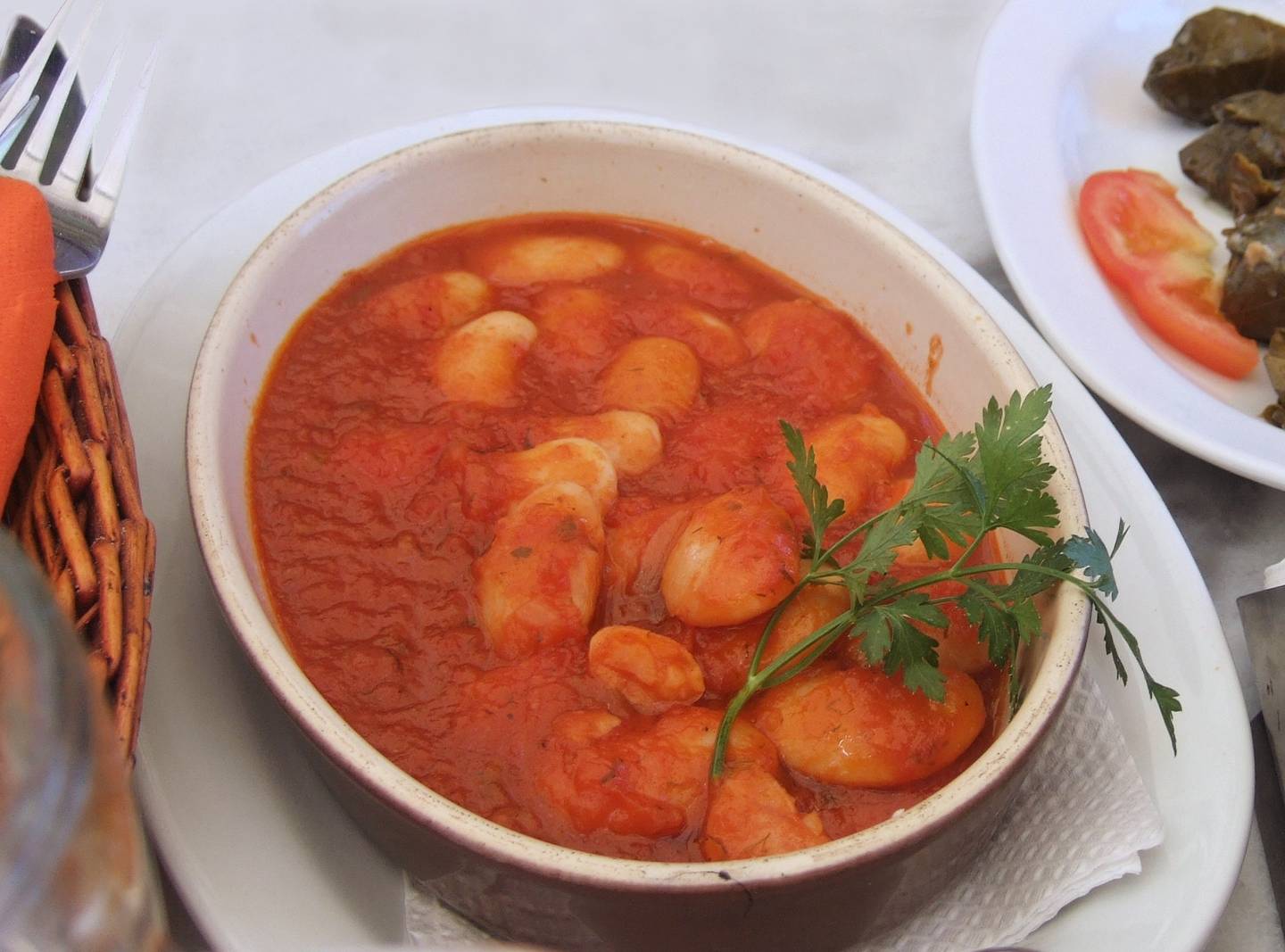
Gigante beans are large white beans associated with Greek cooking. Their size is part of their appeal: when cooked until tender, they make a substantial, creamy mouthful. A well-known preparation is gigantes plaki, where the beans are baked in a tomato-and-herb sauce.
Some Greek gigantes are varieties of runner bean, Phaseolus coccineus. Large lima or butter beans may be used as substitutes in recipes, but they are a different bean. Labels can be imprecise, so check the package if you want a particular variety.
What do they taste like?
The cooked beans have a mild flavor and a satisfying, creamy interior. They take well to olive oil, tomato, garlic and herbs. In gigantes plaki, they can be served warm or at room temperature as part of a meal or a spread of smaller dishes.
How do you cook dried gigante beans?
Sort and rinse the beans, then follow a trusted recipe for the type you have. Dried large beans generally need soaking and thorough cooking before they are baked in a sauce. Cooking time varies with the bean and its age; test several for a fully tender center before proceeding.
Keep acidic tomato sauce for the stage specified in your recipe: adding a lot of acid before dried pulses soften can slow their cooking. If using commercially canned beans, they are already cooked, so choose a recipe adapted for that form.
Are gigante beans the same as butter beans?
Not necessarily. Some traditional Greek gigantes are runner beans, while butter beans are a name often used for lima beans. Large butter beans can stand in for gigantes in a flexible tomato bake, but the bean and texture will differ. Follow preparation guidance for whichever dried bean you buy.