Broken Rice: What the Small Pieces Are and How They Are Used
Broken rice consists of rice kernels that have broken during processing.
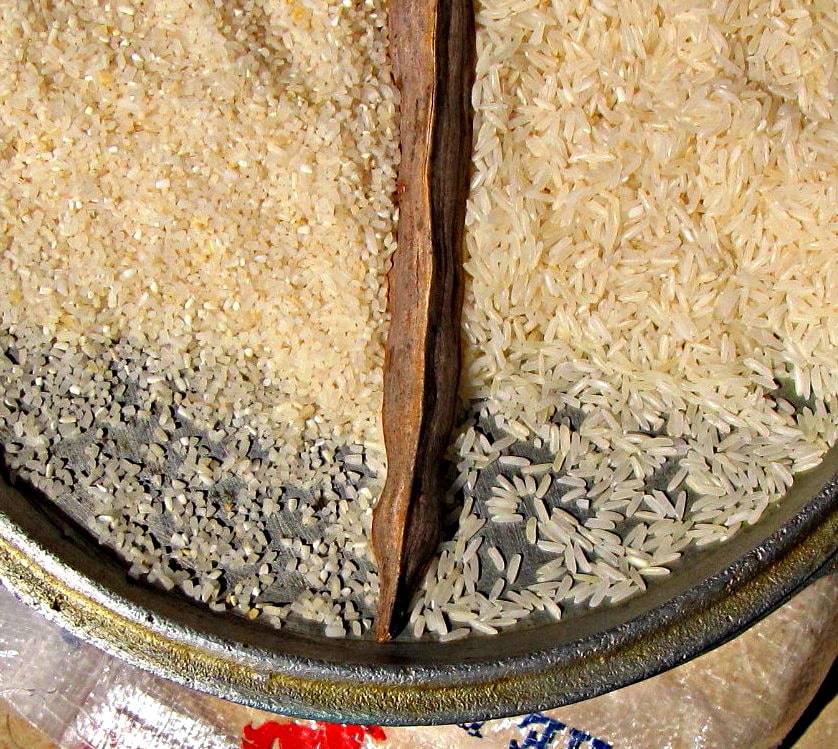
Broken rice consists of rice kernels that have broken during processing. It is a product form, not one rice variety, and its small pieces have culinary uses of their own.
In Vietnamese cooking, cơm tấm is associated with broken rice. The name can refer to the rice and to the familiar meal built around it, often served with grilled pork and other accompaniments.
Broken does not mean spoiled
The term describes the physical size of the kernels, rather than damage caused by poor storage. Rice milling produces broken pieces as well as intact kernels; those pieces can be separated into different size categories.
However, a bag still needs the ordinary checks for a food purchase: a clear label, sound packaging and suitable preparation instructions. Broken is not a reason to ignore an unfamiliar product's condition.
Why the form matters when cooking
Do not assume that directions for intact long grains give the intended result with smaller fragments. Choose a method written for the broken rice you have, particularly for a dish in which its texture is important.
Vietnamese cooking guides such as RunAwayRice and Cooking Therapy provide dedicated broken-rice methods. Use a complete method rather than taking its cooking time and pairing it with the water amount from another recipe.
Shopping for cơm tấm
Look for broken rice or cơm tấm on the label. If you cannot find it, another cooked rice can accompany the same meal, but it will change the characteristic base. It is more helpful to acknowledge that change than to call any small-looking grain an exact replacement.
Keep the bag's product details if you find a result you enjoy. The size of the pieces and the rice used can vary, so “the broken one” is not always enough information for a repeat purchase.