Borlotti Beans: What Cranberry Beans Are and How to Use Them
Learn about borlotti beans, their colorful appearance, creamy texture and uses.
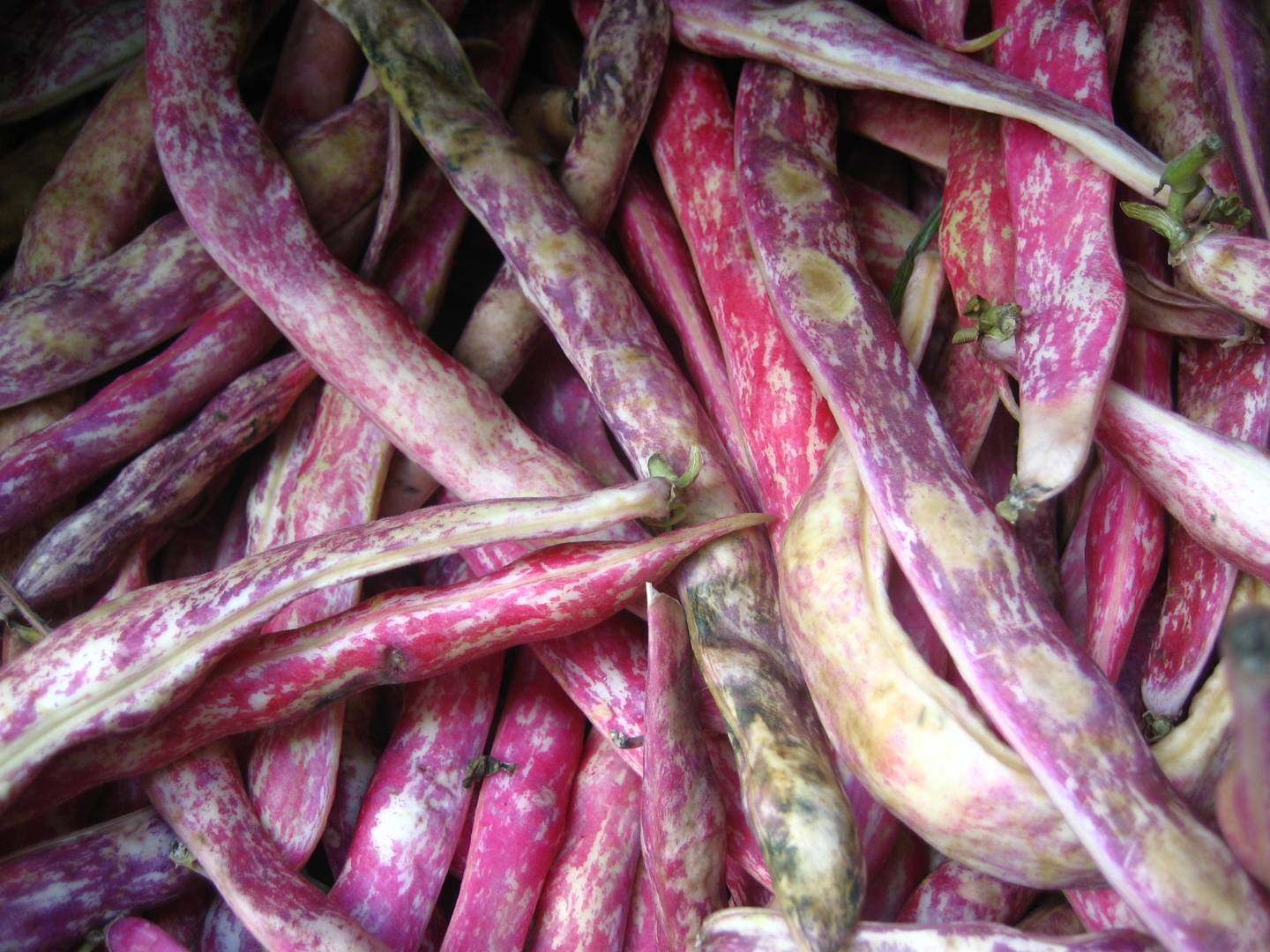
Borlotti beans are cream-colored beans with red or pink markings, prized for their creamy texture and nutty flavor. In North America, a similar type is commonly sold as cranberry beans or Roman beans. They're a welcome addition to soups, stews and salads, and appear in Italian cooking, including pasta e fagioli.
The attractive speckles fade as the beans cook. This is normal; the flavor hasn't escaped with the paintwork.
What do borlotti beans taste like?
Cooked borlotti are mild and creamy, with a nutty character. The Bean Institute compares cranberry beans' flavor to chestnuts. They pair well with tomato, olive oil, herbs and greens, and can give a soup body if some beans soften into the broth.
Use them whole in a salad or warm side, or mash a portion into a stew for a thicker result. If your canned beans are already very soft, fold them in gently and warm them through.
Fresh, dried or canned?
Fresh shelling beans come in pods and need to be shelled and cooked. Their cooking time differs from dried beans.
Dried beans need sorting and rinsing, then soaking and cooking according to the package or recipe. Discard the soaking water and simmer in fresh water until the centers are fully tender. A Bean Institute recipe suggests around 60–90 minutes for soaked cranberry beans; age and soaking affect the time.
Canned beans are already cooked. Drain and rinse if the recipe calls for it, and add them later in a long-simmering dish so they don't become softer than you want.
Borlotti versus pinto beans
Both can have attractive mottled skins that become less distinct after cooking. They aren't identical, but cooked pinto beans can be a useful substitute in a flexible soup or stew. Expect a somewhat different flavor and check the cooking directions for the form you buy.
Cannellini are another option in an Italian-style soup, providing a creamy white bean with a different size and appearance. If cooking dried cannellini, follow kidney-bean safety guidance: they are white kidney beans and need thorough soaking and boiling.