Adzuki Beans vs Red Kidney Beans: Can You Substitute Them?
Compare adzuki and kidney beans for size, flavor, uses, substitution and safe preparation.
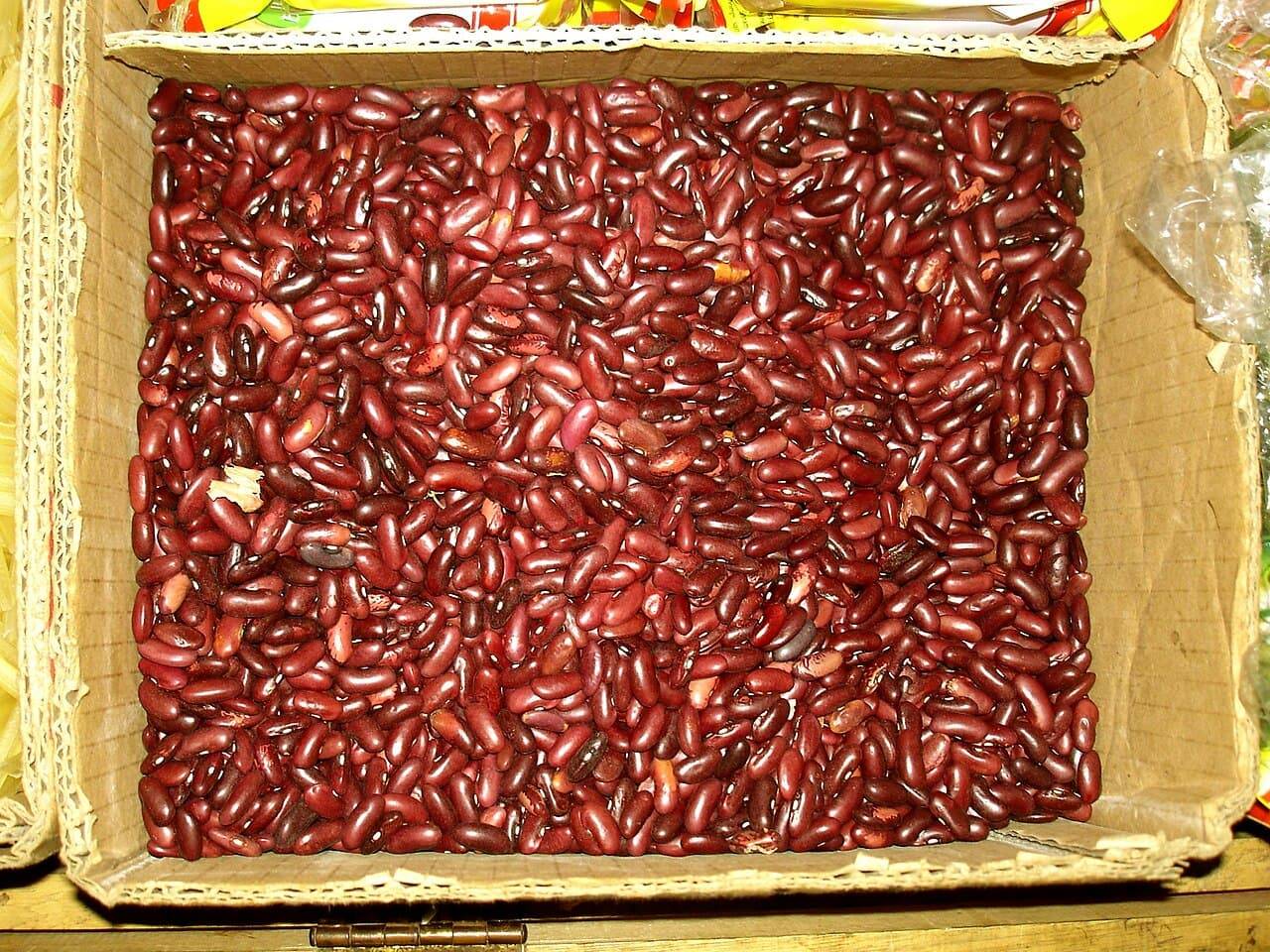
Adzuki beans and red kidney beans are different beans that happen to share a color. Adzuki, also spelled azuki or aduki, are small and reddish brown. Red kidney beans are larger and kidney-shaped. Adzuki are used in both savory dishes and East Asian sweets; kidney beans are familiar in chili, soups and salads.
| Adzuki | Red kidney beans | |
|---|---|---|
| Size | Small | Larger, with a kidney shape |
| Flavor | Mild, slightly sweet and nutty | Full-flavored and savory |
| Common uses | Sweet bean paste, soups, rice dishes | Chili, soups, bean salads |
| Dried cooking | Follow a suitable adzuki recipe | Requires careful cooking; see below |
Can you swap them in a savory dish?
Often, yes, if you are happy to change the texture and appearance. For a flexible soup or rice bowl, use a similar amount of fully cooked beans. Smaller adzuki will look and feel different from kidney beans; their cooking time and flavor will differ too.
For a sweet adzuki paste or a dish where the small bean is central, kidney beans are a less convincing replacement. Choose a recipe designed for the bean you have rather than expecting an identical result.
Do they need the same cooking method?
No. Follow a reliable method for the specific dried bean. In particular, dried kidney beans contain lectins that can make people ill if the beans are raw or undercooked. The FDA recommends soaking dried kidney beans for at least five hours, discarding the soaking water and boiling them in fresh water for at least 30 minutes and warns against relying on a slow cooker to cook them from dry. Continue cooking until tender. Commercially canned kidney beans are already cooked.
Don't use the fact that one bean is small or red as a shortcut for deciding how the other should be prepared. Beans are excellent at many things; sharing an instruction manual isn't always one of them.