Why Bulgur Salad Gets Watery and How to Prevent It
A watery bulgur salad usually has more loose liquid than its ingredients can comfortably hold.
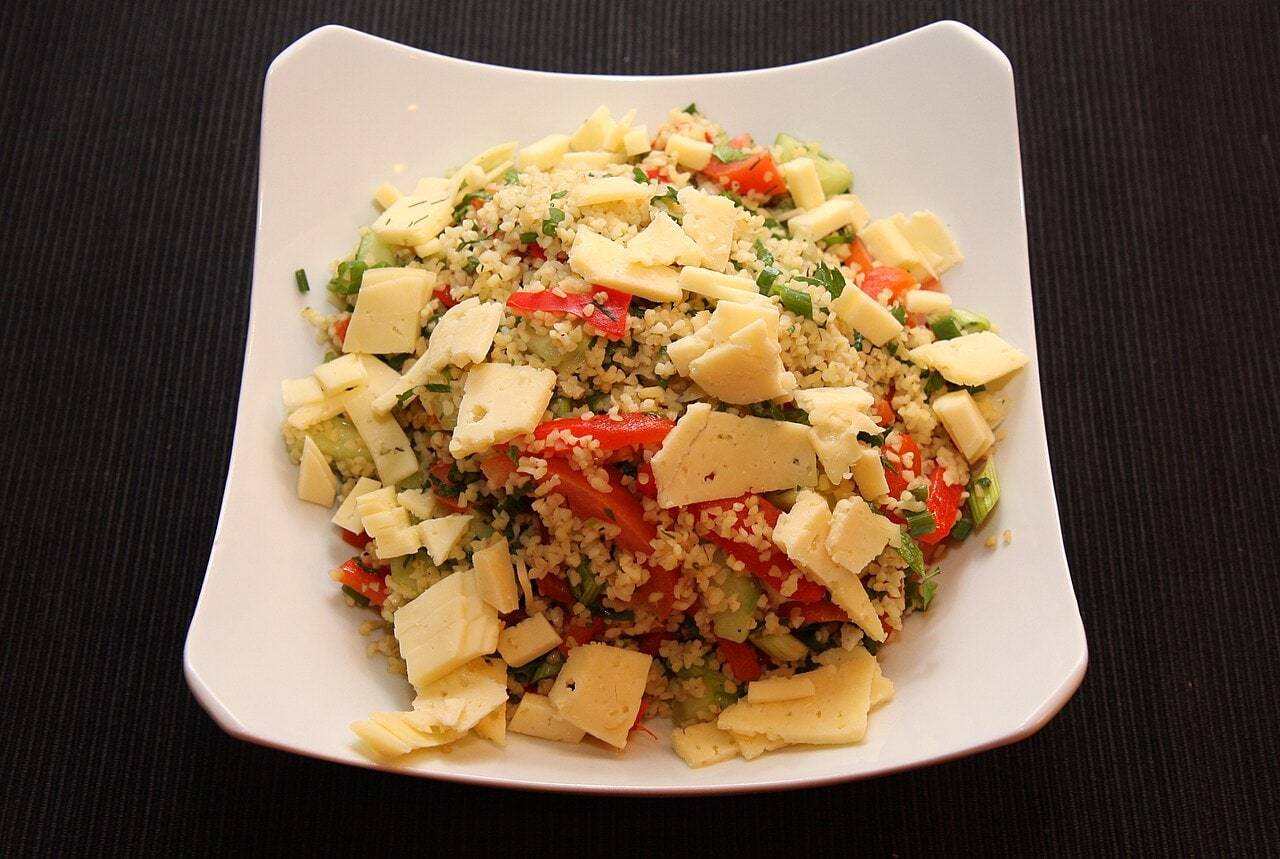
A watery bulgur salad usually has more loose liquid than its ingredients can comfortably hold. Check the prepared bulgur, washed herbs and juicy vegetables before blaming the dressing. Adding dry grain to the finished bowl is rarely the most controlled repair.
The aim is a dressed salad, not a completely dry one. A little tomato and dressing juice can be part of the dish.
Find where the water entered
| What you notice | First thing to check | Next-time adjustment |
|---|---|---|
| Liquid appears as soon as you mix | Bulgur or herbs were still wet | Drain the grain if the method requires it; dry washed herbs thoroughly |
| Salad becomes wetter while standing | Chopped vegetables and dressing have had time to mingle | Prepare components separately and combine closer to serving |
| Grain is swollen and mushy | Too much liquid or cooking for that grade | Use the method for your fine, medium or coarse bulgur |
| A large puddle tastes strongly of dressing | Dressing quantity exceeds the bowl's needs | Add in stages and reserve the rest |
Fine bulgur used in a herb-heavy tabbouleh is a different starting point from coarse bulgur cooked for a grain salad. Do not apply the same water allowance to both.
Dry the ingredients that should be dry
After washing herbs, use a salad spinner or clean towels and check the leaves before chopping. Maureen Abood specifically identifies wet herbs as a cause of watery tabbouleh. Water hiding in a bunch of parsley still counts, even if it never passed through your measuring jug.
Prepare the bulgur according to its grade and recipe. If the method uses excess soaking water, drain as directed. If it uses measured absorption, do not add an extra rinse unless that method calls for it. Let cooked grain cool before combining it with delicate leaves.
Handle tomatoes intentionally
Recipes differ in whether tomato juices season or hydrate the bulgur. Follow one approach rather than draining tomatoes for a method that relies on their juice, or keeping all the juice in a method that assumes drainage.
If you are building your own grain salad, reserve some vegetable juice and dressing at first. You can add them after tasting; removing them from a fully mixed bowl is less tidy.
Rescue the bowl you have
Use a slotted spoon to lift a serving from excess liquid, then taste before changing the seasoning. If the grain is sound but the dressing is diluted, season a small portion and judge it first. If the grain is already mushy, more dry bulgur will not restore its original texture.
For the starting ingredient, see bulgur grades and the coarse-bulgur salad method. If the texture is fine but the flavour seems harsh, use the separate bitter tabbouleh checklist.