Teff Flour: Using It for Injera and Other Baking
Teff flour is milled from the tiny teff grain.
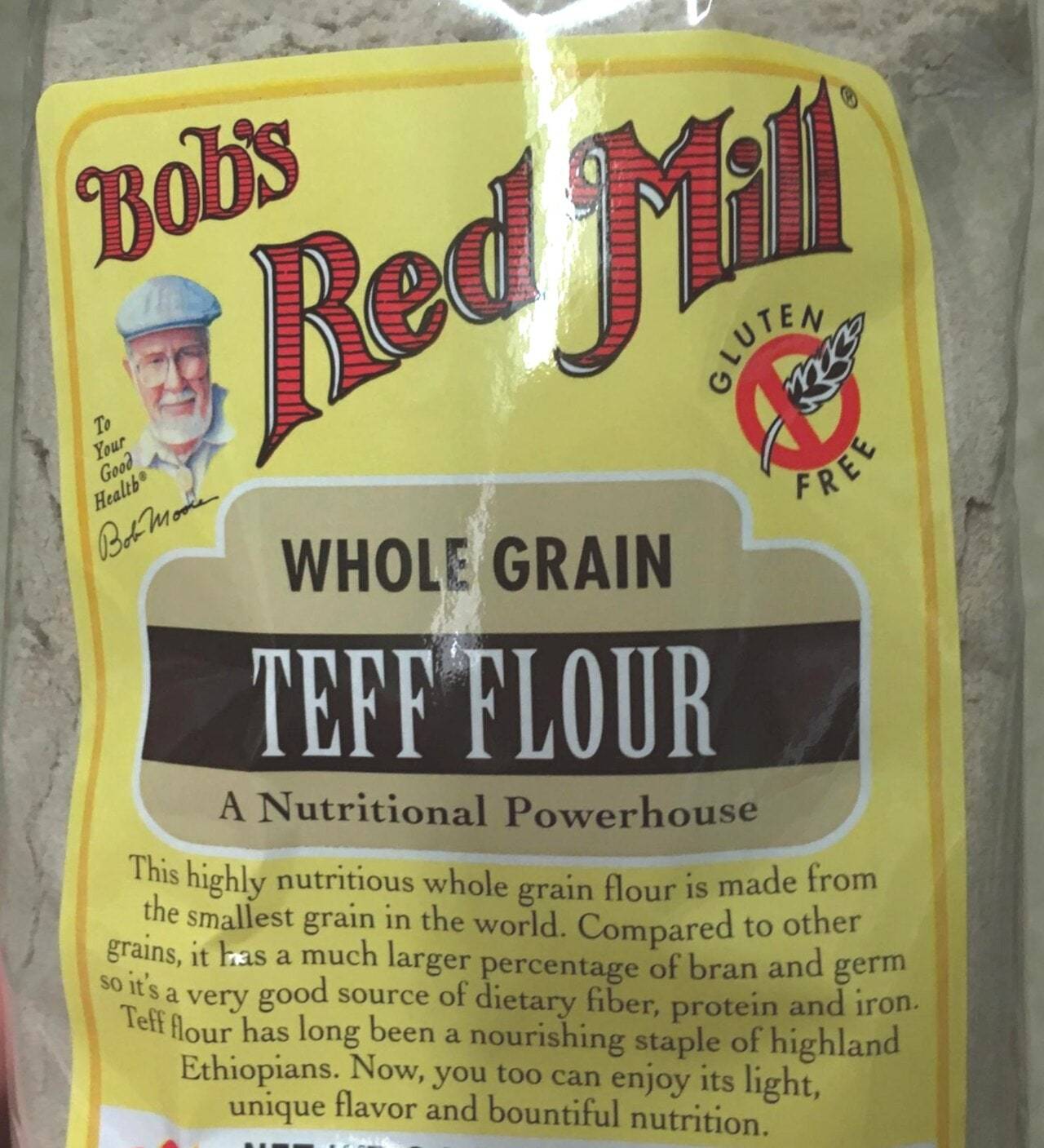
Teff flour is milled from the tiny teff grain. It is particularly associated with injera, the fermented flatbread central to Ethiopian and Eritrean meals, and is also used in other baking preparations.
It is different from whole teff sold for cooking as grain. Check the product form before buying: a bag of tiny kernels is not a convenient substitute when a recipe begins with flour.
Brown and ivory forms
Teff flour can be sold as brown or ivory. These descriptions can matter to flavour, appearance and the behaviour of a particular batter. They do not simply describe a dark wholegrain flour and its white-wheat-style refined equivalent.
Maskal Teff's injera guidance notes that its ivory and brown products can ferment at different rates. Follow the chosen recipe's observations and method instead of treating a timer as the only measure of readiness.
Injera needs more than mixing flour and water
A traditional injera method includes fermentation and preparation stages that establish its flavour and spongy texture. Choose a complete method and allow enough time for it, including any starter preparation.
Some recipes blend teff with wheat or barley flour. Others use teff alone. Read the full ingredients if you need a particular composition, and do not assume that a bread called injera contains only teff.
Other ways to try the flour
Teff appears in baking beyond injera. Bob's Red Mill suggests replacing a limited portion of all-purpose flour with its teff flour in some baked goods. Treat that as a product-specific suggestion rather than permission to replace every flour in a formula.
For a first attempt, use a recipe developed with teff and keep its other ingredients consistent. Once you know the intended texture, it becomes easier to judge an adaptation.
For the grain's identity and other uses, see our teff grain guide.