Sumac: The Tangy Red Spice and How to Use It
Learn what culinary sumac tastes like, how to use it and what to look for when buying it.
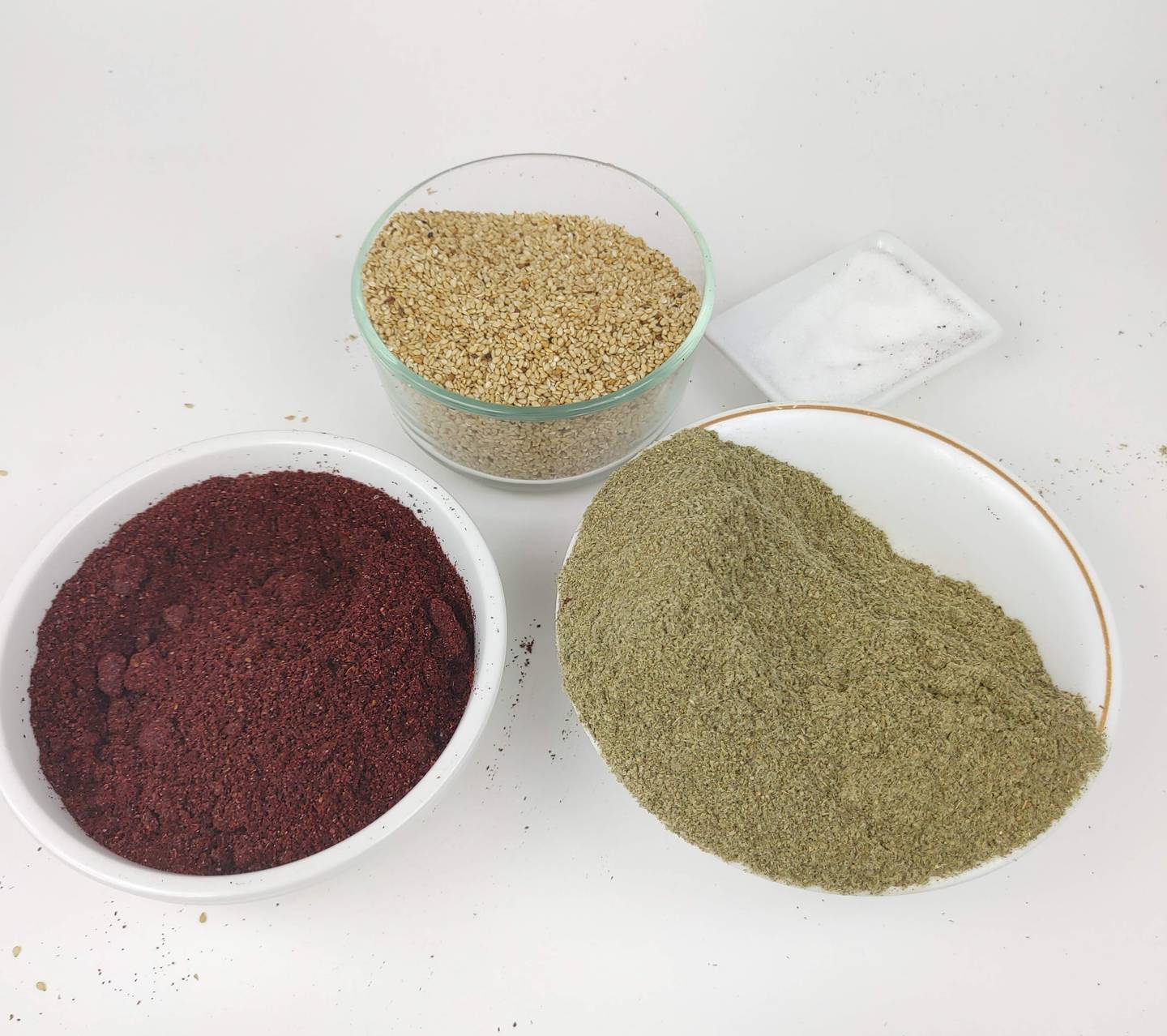
Sumac is a tangy seasoning made from the dried, ground fruit of certain sumac plants. It brings a lemony brightness and reddish-purple color to dishes without adding liquid. If a salad looks like it needs a little more enthusiasm, a pinch can help.
It is used across several Middle Eastern cuisines, including in fattoush, where it can season the dressing or finish the salad. Shop for culinary sumac sold as a food ingredient; don't assume an unidentified plant with a similar name is suitable to eat.
What does sumac taste like?
Expect a tart, fruity flavor often compared with lemon, though it doesn't taste exactly like fresh lemon juice. Its dry form makes it useful when you want acidity without making a dish wetter: sprinkle it over grilled vegetables, onions, a dip or cooked meat.
Some commercial sumac contains salt. Check the label and taste before adding the full amount of salt in your recipe. Products differ in texture and intensity, so start modestly and add more if needed.
How do you use sumac?
- In fattoush: Add it to the dressing or sprinkle it over the finished bread-and-vegetable salad.
- On onions: Toss a little with sliced onion and serve alongside grilled food.
- Over dips: Finish hummus or yogurt with sumac and olive oil.
- With vegetables: Sprinkle it on roasted aubergine, cauliflower or potatoes just before serving.
It can also be used in spice blends and marinades. Store the dry seasoning tightly closed, away from heat and moisture, and replace it when its aroma and tartness fade.
Is sumac the same as za'atar?
No. Sumac is an individual seasoning; za'atar can refer to an herb or to a blend that often includes herbs, sesame, salt and sumac. A za'atar blend will bring extra herbal and nutty flavors, so it won't taste exactly like sumac on its own. Check the ingredients, especially if sesame is a concern.
What can replace sumac?
Lemon zest and a little juice can supply brightness in a salad dressing, but they add a fresh citrus character and the juice adds moisture. For a dry topping, zest may be more useful than juice. Neither gives precisely the same flavor or color, so adjust to taste rather than treating the substitution as exact.