Shiro Wat: The Ethiopian and Eritrean Pulse Stew Explained
Discover shiro wat, the Ethiopian and Eritrean chickpea or bean-flour stew, and how it is served.
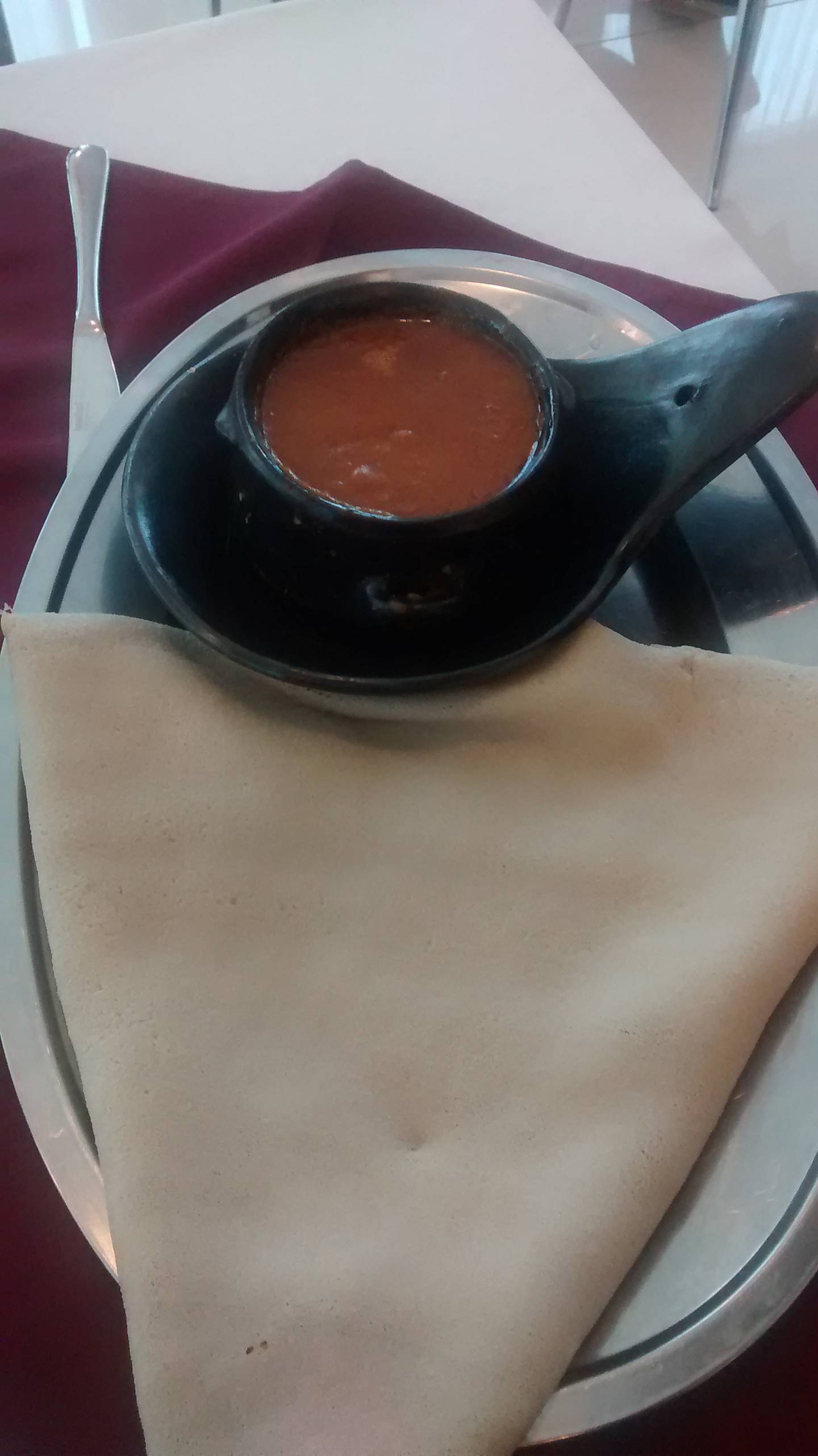
Shiro wat is a thick, savory stew made with ground pulses and seasoning, enjoyed in Ethiopian and Eritrean food traditions. It is often served with injera, the soft, tangy flatbread used to scoop up the stew and its companions.
The base can be made with chickpea flour or a prepared shiro powder, which may already include spices. The result is smooth and comforting, with a flavor that depends on the cook's choice of seasonings and fat.
What is in shiro wat?
Many versions combine finely ground chickpeas with onion, garlic and berbere, an Ethiopian spice blend. Some shiro preparations use other pulse flours, including broad bean. A prepared shiro powder may be seasoned already, so read the label and taste before adding more berbere or salt.
Recipes differ in heat and richness. Oil can make a plant-based stew; some versions use niter kibbeh, a spiced clarified butter. Ask about the fat and ingredients when ordering if you avoid dairy or a particular pulse.
What does it taste like?
Shiro is savory and nutty, with a soft, thick texture. Berbere can add warmth and chili heat, while onion and garlic provide depth. It is usually smooth enough to scoop with injera rather than a stew of whole chickpeas.
How is it made?
Recipes typically cook the aromatics and seasoning, add liquid and gradually work in the pulse flour, then simmer until the flour is cooked and the stew thickens. Stirring helps prevent lumps and sticking. If the stew becomes too thick, a little hot water can loosen it; follow a tested recipe for quantities and cooking time.
Plain chickpea flour and seasoned shiro powder are not identical. The latter may already contain spices and salt. If using plain flour as an adaptation, follow a recipe that specifies how to season it rather than adding a full measure of two different spice mixes.
How do you eat it?
Shiro is commonly served on or alongside injera, often with vegetables or other dishes. Tear off a piece of bread and use it to pick up some stew. A spoon works too, particularly if you're serving it in a bowl.
If you have G6PD deficiency and have been advised to avoid fava beans, check whether a shiro powder contains broad bean flour. People with chickpea or other pulse allergies should check ingredients as well.