Semolina: The Durum Wheat Ingredient Used Beyond Pasta
Semolina is commonly a relatively coarse product milled from durum wheat.
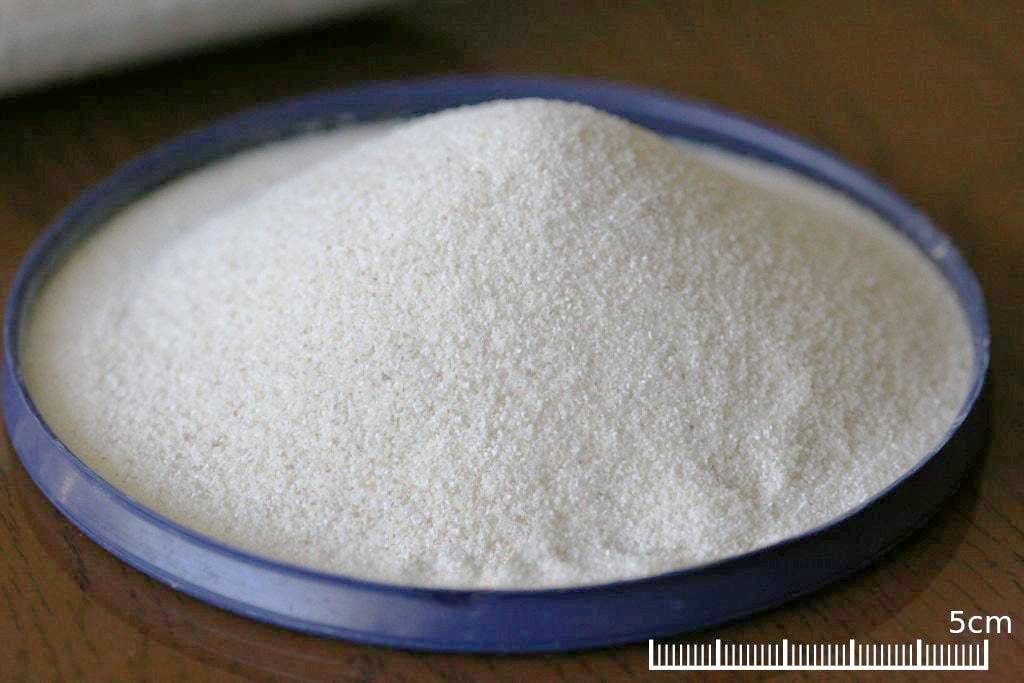
Semolina is commonly a relatively coarse product milled from durum wheat. It is familiar in pasta making, but it also appears in breads and other baked foods.
Its texture matters as well as its wheat source. A granular semolina and a finely milled durum flour can come from the same grain without behaving identically during mixing.
Semolina is not cornmeal
Both can look yellowish and granular, but semolina is a wheat product and contains gluten. Ordinary cornmeal comes from corn. If a recipe names one, appearance is not enough reason to substitute the other.
Also check whether the semolina is coarse or fine, especially where a recipe names a particular grade. A dough, batter or cooked pudding may depend on that particle size.
Using it in pasta
King Arthur describes semolina as giving homemade noodles a slightly golden colour and a nutty, sweet character. The amount and flour combination depend on the pasta formula.
Choose a recipe that specifies the semolina and liquid or eggs together. A dough made for hand-shaping has different handling requirements from one rolled into very thin sheets. The best flour choice is connected to the shape and method, not simply to the word pasta.
Using it in bread
Semolina can be one component of a bread formula, sometimes alongside another wheat flour. Follow the recipe's mixing, hydration and fermentation guidance. A flour blend is a deliberate formula, not a suggestion to pour equal handfuls of whichever bags are nearest.
What to check before buying
Look for durum wheat in the ingredients, the grind description and the intended application. If your recipe asks for finely milled durum flour, do not assume the coarsest semolina on the shelf is equivalent.
Keep a note of the product that gives the result you like. A surprisingly small change in the shopping description can create a much larger change at the mixing bowl.