Khorasan Wheat: What KAMUT® Means and How to Cook the Berries
Discover khorasan wheat, its large kernels, texture and uses in cooking.
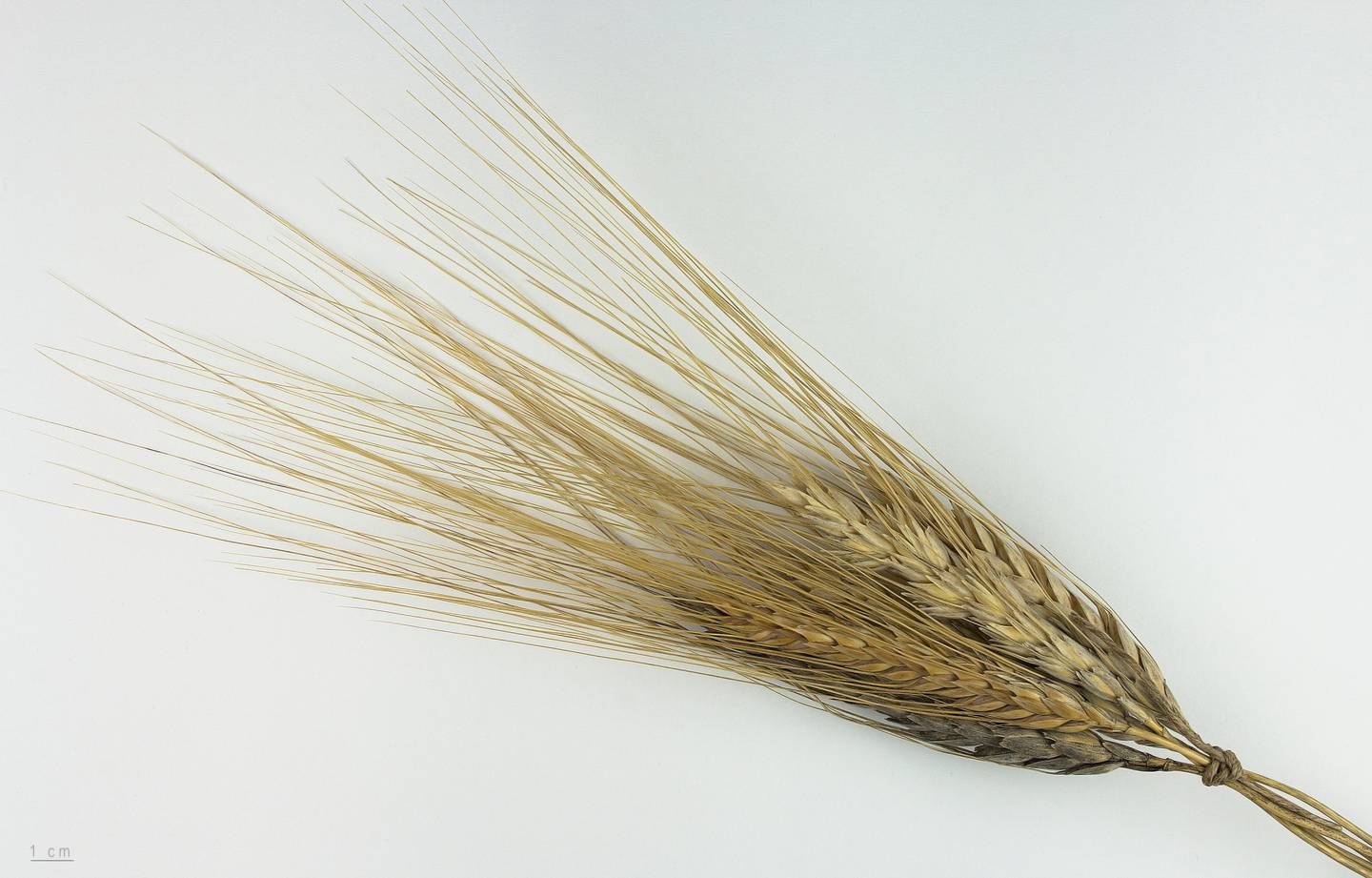
Khorasan wheat is a type of wheat sold as whole berries, flour and other products. Its cooked kernels are substantial and chewy, with a nutty flavor suited to grain salads, soups and pilafs.
KAMUT® is a brand name, not another word for every khorasan wheat. The brand owner says products using the trademark must meet its standards, including certified organic production. Other khorasan wheat can be sold without that brand name.
What are khorasan wheat berries?
They are the grain's whole kernels. Like other wheat berries, they can be simmered and eaten as a side or added to a dish. Khorasan flour is ground grain and is used differently; follow a baking recipe written for the flour you have.
The cooked berries retain a firm bite, including when cooled. Toss them with roasted vegetables and herbs, spoon them into soup, or use them under a flavorful sauce. If a recipe needs a very soft, quick-cooking grain, allow extra time or choose a different ingredient.
How do you cook them?
The Whole Grains Council suggests soaking KAMUT® wheat overnight, then simmering 1 cup of grain with 4 cups water for 45–60 minutes. Treat this as a starting point and follow your own package, since products and cooking conditions differ.
Sort and rinse the berries, soak as directed, drain, then cook in fresh water until tender through the middle. Drain excess water. For a salad, cool the cooked grain before adding tender herbs or vegetables.
Can you substitute another wheat berry?
Spelt berries or another whole wheat berry can work in a salad or soup where chew matters. Their size and flavor differ, and they may need a different cooking time. Pearled farro is another possibility for a quicker dish, but it is processed differently and may not be a whole grain.
Is khorasan wheat gluten-free?
No. Khorasan is wheat and contains gluten. It is not appropriate for a gluten-free diet or for people with coeliac disease. Branding and claims about traditional grains do not change that.