Jeerakasala Rice: The Small Aromatic Rice Used in Kerala Biryani
Jeerakasala, often called kaima rice, is a small-grained aromatic rice associated with Kerala.
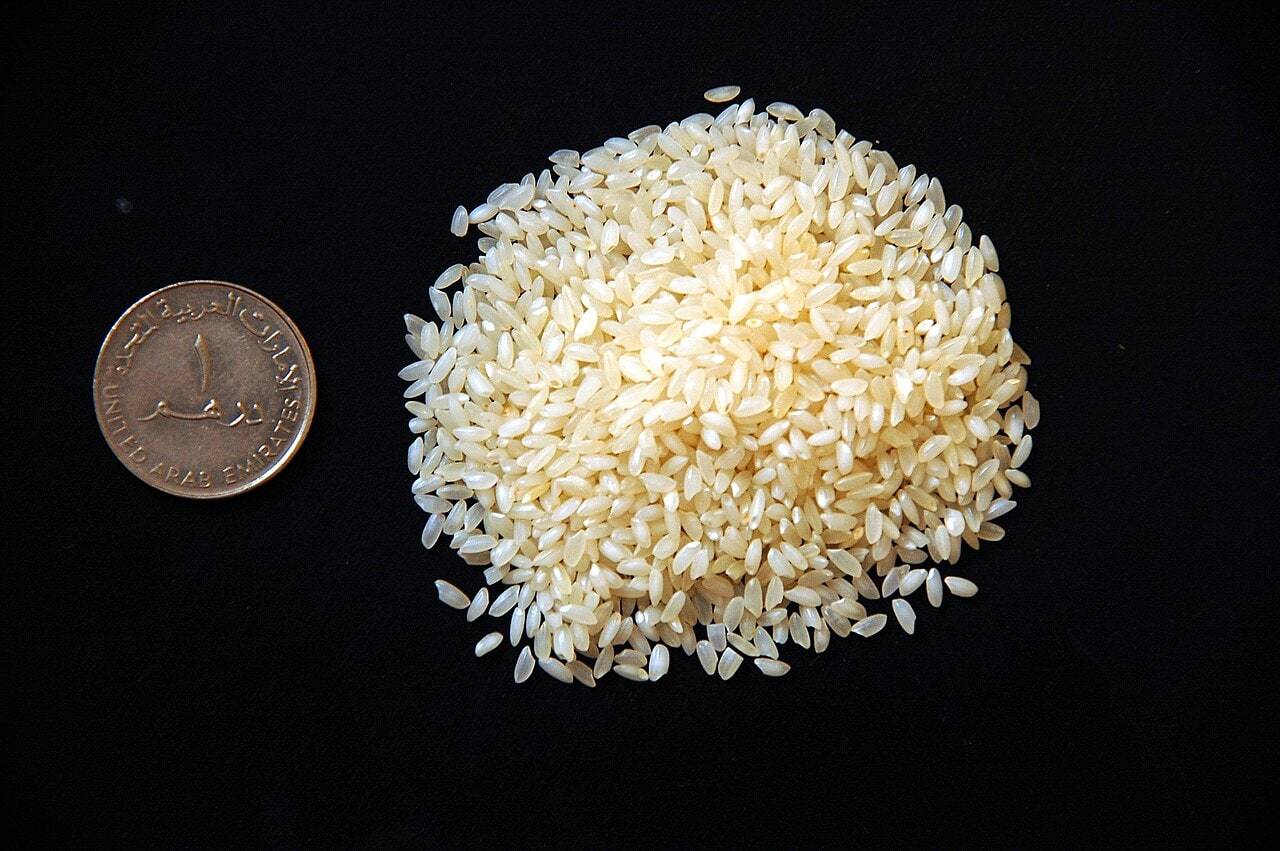
Jeerakasala, often called kaima rice, is a small-grained aromatic rice associated with Kerala. Kerala Tourism highlights its use in biryani, including the Thalassery tradition, where the rice's size and flavour are part of the dish's character.
It is a useful reminder that biryani does not always mean extra-long basmati. The smaller grain is part of the intended style.
Jeerakasala and the Wayanad name
Wayanad Jeerakasala Rice has a registered geographical indication in India. That identifies a particular origin claim. When buying, distinguish a product's rice name from any additional geographical designation printed on its label.
Do not assume every bag described as kaima or jeerakasala carries the same certified origin. Look at the actual packet if that detail matters to your purchase.
What to make with it
Kerala Tourism identifies jeerakasala with biryani, while KRBL also lists ghee rice, or nei choru, and payasam among uses for its product. These dishes aim for different results, so the water and cooking sequence must come from the chosen recipe.
For Thalassery biryani, use a recipe written for the rice and style. Changing from a basmati recipe by name alone leaves too many unanswered questions about timing, moisture and the final steaming stage.
Buying it outside Kerala
Search for both jeerakasala and kaima, and check the product photograph and description rather than buying any bag labelled jeera rice. That phrase can also appear in other contexts, including a cooked rice dish flavoured with cumin.
For a first attempt, keep the rice packet's preparation details beside the recipe. If they differ, establish whether the recipe partly cooks the rice before a later stage rather than treating the two sets of directions as contradictory.