Gobindobhog Rice: A Fragrant Bengali Rice for Khichuri and More
Gobindobhog is an aromatic rice associated with West Bengal.
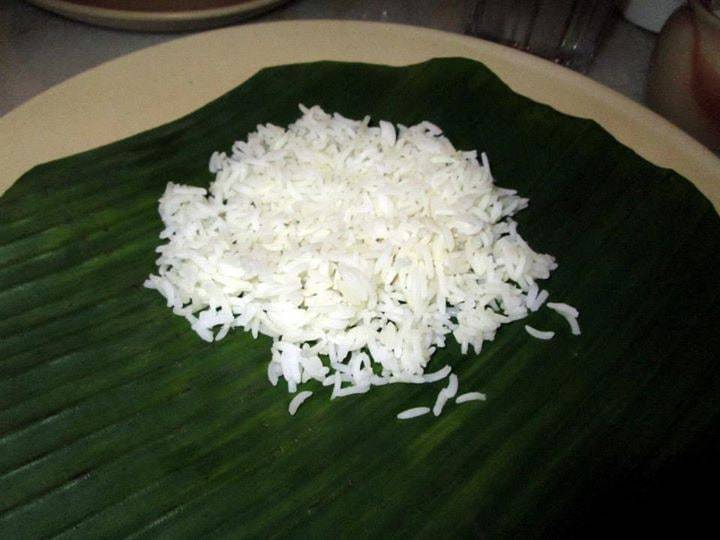
Gobindobhog is an aromatic rice associated with West Bengal. Its short grains and distinctive fragrance make it a familiar choice in Bengali cooking, including khichuri, the rice-and-pulse dish.
It is worth seeking out when a recipe names it specifically. Replacing it with a long-grain rice may still produce a meal, but the appearance and character will change.
A name tied to place
India's geographical-indication records identify Gobindabhog Rice with West Bengal. The English spelling varies; Gobindobhog is common in recipes and on retail products.
When shopping, look for the complete rice name and check the origin and processing statements. A broad label such as aromatic rice does not establish that it is this particular ingredient.
Where it is used
Bong Eats uses gobindobhog in khichuri with roasted moong dal and in other Bengali preparations. Its muri ghonto recipe also specifies fragrant, short-grained, non-parboiled rice such as gobindobhog.
That last detail matters: the rice's processing is part of the recipe. A parboiled alternative will not necessarily absorb liquid or finish at the same point as a non-parboiled grain.
Starting with a recipe
Choose one recipe developed for gobindobhog and keep its rice quantity, liquid and pulse preparation together. A soft khichuri and a drier, pulao-like preparation do not share one universal water ratio.
If you are learning the ingredient, resist adding extra rice to a nearly finished pan simply because it looks too loose. Dry rice needs its own time and liquid; use the recipe's finishing and resting guidance first.
A useful shopping check
Photograph the packet's front and preparation panel before decanting it. That records the product and its form for next time. Fragrance is memorable; the exact bag responsible for it is surprisingly easy to forget.