Grits: What They Are and How to Choose a Bag
Understand different kinds of grits, their texture and how to cook and serve them.
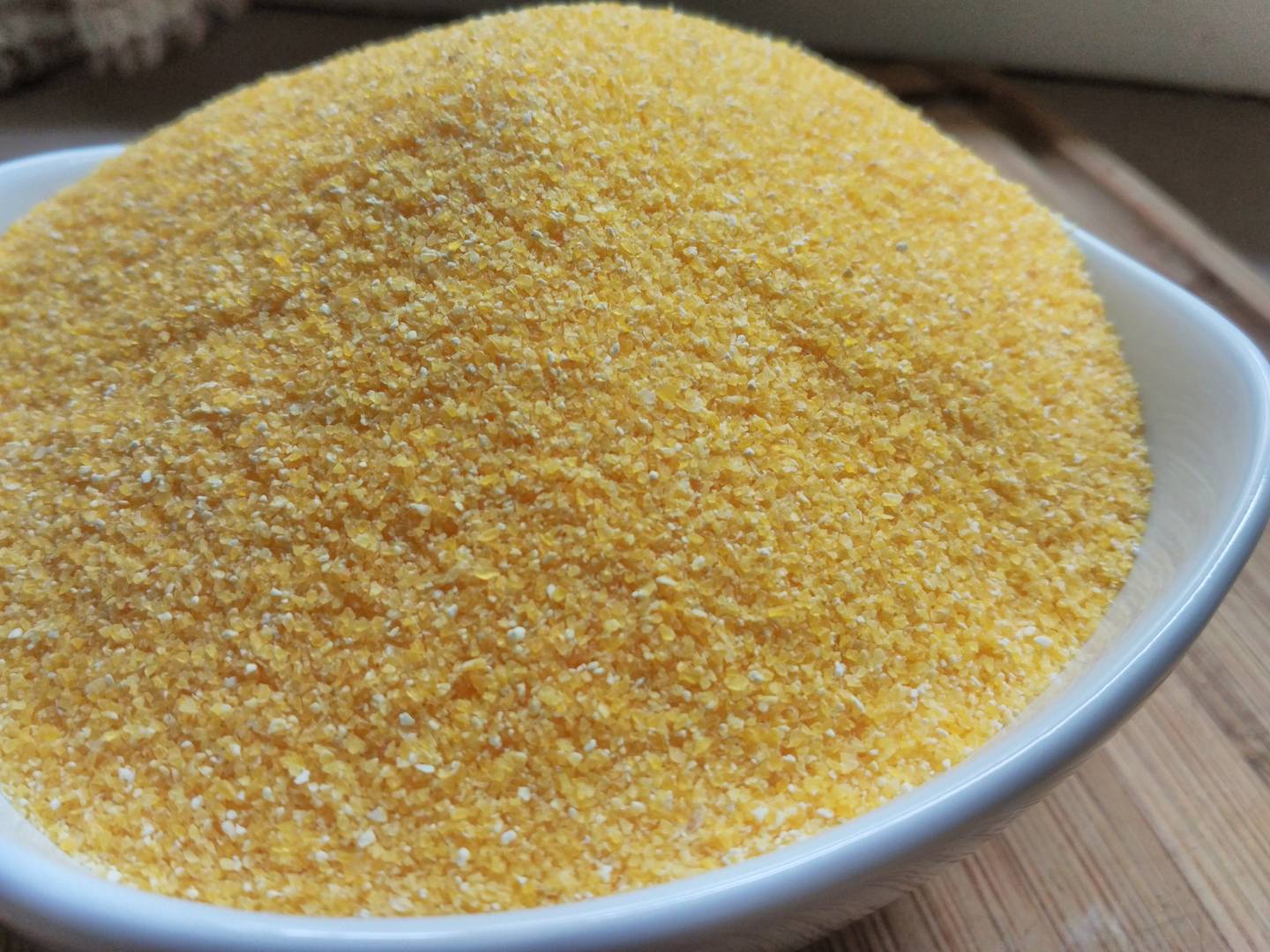
Grits are coarsely ground corn cooked into a soft, spoonable dish. They are closely associated with cooking in the American South and can be served simply or with additions such as cheese, vegetables or shrimp.
Not every bag cooks at the same speed. Before you set a timer, check whether yours is stone-ground, quick or instant, and whether the label says corn grits or hominy grits.
What are grits made from?
Grits are made from ground corn; some are made from hominy, corn that has been treated with an alkaline solution. The Whole Grains Council notes that grits are commonly made from dent corn or hominy. White and yellow versions are sold, and flavor and texture vary by grain and grind.
Stone-ground grits can take longer to cook and have a more pronounced texture. Quick and instant products are processed for shorter preparation. Follow the package instead of assuming a timer for one will work for all three.
How to cook grits
Bring the liquid called for on the package to a boil, add the grits gradually while stirring, then reduce the heat and cook until tender. Stir as directed to discourage lumps and sticking. Add a little hot liquid if the grits become too thick before they soften.
As a general starting point, the Whole Grains Council suggests 1 part whole cornmeal or whole grits to 4 parts liquid by volume. Its polenta recipe cooks a whole-grain product for 30–40 minutes. Your grits may need a different ratio or time, particularly if they are quick or instant.
Season at the end to suit the meal. For a savory bowl, try butter or olive oil, greens and a little cheese if you eat dairy. For a softer consistency, add liquid gradually rather than declaring a thick pot a permanent design choice.
Grits versus polenta
Both can be creamy dishes made from ground corn, but the corn type, grind and regional traditions can differ. Grits are commonly made from dent corn or hominy; Italian polenta is often associated with flint corn. A package may use the terms differently, so check its grind and instructions when substituting.
Corn itself is naturally gluten-free, but check labels for suitable products and added ingredients if you must avoid gluten.