Flattened Rice Flakes: Choosing Thick or Thin Poha
Flattened rice is rice processed into flakes.
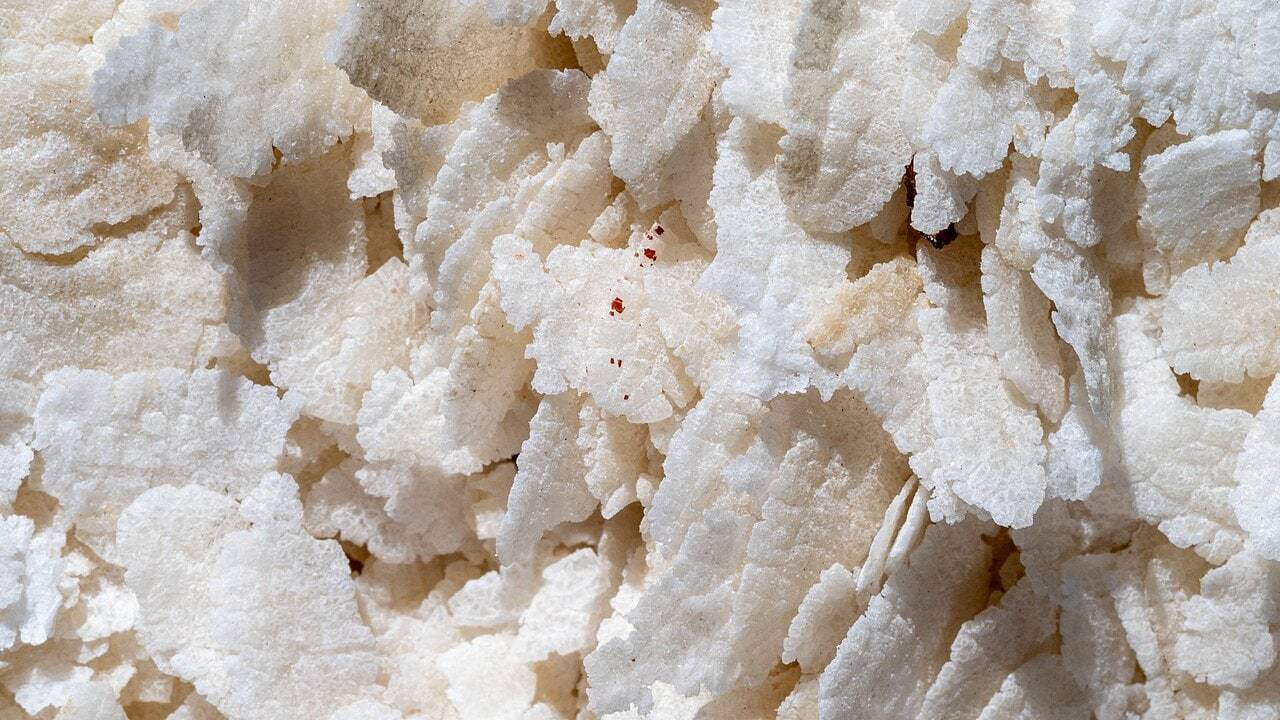
Flattened rice is rice processed into flakes. It is often called poha, a word used for both the ingredient and a cooked dish made with it. Other regional names include aval, avalakki and chira.
It is not the same as whole dry rice, and it should not automatically receive the same long simmer. The flakes take up moisture quickly; a breakfast can become paste before the kettle has finished its own business.
Thickness is the practical distinction
Poha is sold in thin, medium and thick forms, and red-rice versions are also available. For Dassana Amit's kanda poha, the onion-based dish, medium or thick flakes are specified. Thin flakes can become too soft under the same rinsing and cooking method.
Check the recipe's chosen thickness before buying. A brand name cannot compensate for having the wrong form.
How to soften flakes for a cooked poha dish
In Dassana's method, the flakes are rinsed briefly in a strainer and allowed to soften. They should lose their hard crunch while remaining separate. If still dry, a little additional moisture can help; a prolonged soak can make them mushy.
Those observations are more useful than forcing every bag through an identical soaking period. Thickness and the actual product affect how quickly the flakes soften.
From ingredient to meal
For a first attempt, use a complete poha recipe so that the onions, potatoes or other additions are ready when the softened flakes join the pan. Rice flakes do not need to wait while an undercooked potato catches up.
When buying for a snack mixture or another preparation, follow that recipe's ingredient choice instead. Thin and thick flakes each have uses; one is not simply a better version of the other.