Carnaroli Rice: Choosing a Rice for Risotto
Carnaroli is an Italian rice used for risotto, valued for maintaining a substantial grain as the dish cooks.
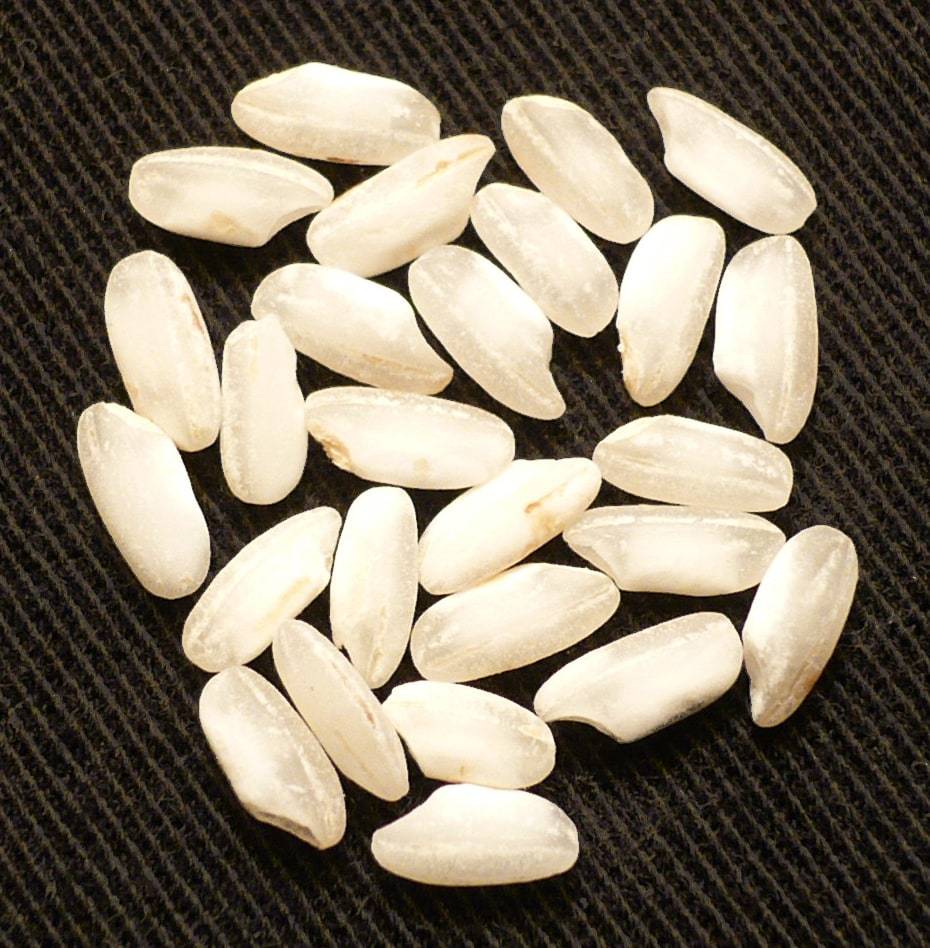
Carnaroli is an Italian rice used for risotto, valued for maintaining a substantial grain as the dish cooks. It is a good candidate when you want creaminess around rice that still has an identifiable bite.
The packet deserves a look before the pan does. Plain rice, wholegrain rice, aged rice and a ready-seasoned risotto are different purchases, even if Carnaroli appears prominently on all of them.
What aged Carnaroli means for cooking
Some producers sell aged Carnaroli as a distinct product. For example, Riso Scotti's 18-month-aged version is marketed for risotto and gives an 18-minute cooking time.
That time belongs to that product. It should not become a fixed rule for every Carnaroli packet, especially if processing or milling differs. Start with the bag's instructions and use the recipe's sequence for the finished dish.
How to approach a first risotto
Choose a recipe written for risotto rice and measure the rice before beginning. Keep the specified liquid available, then check the grain towards the expected finish. A creamy-looking sauce and a tender grain are separate things to assess.
If the dish needs longer, follow the recipe's liquid additions rather than leaving a nearly dry pan cooking unchecked. If the grain is ready, extending the cooking only to use up a premeasured jug of stock is not the objective.
Carnaroli or Arborio?
Both can make risotto. Rather than buying a more expensive bag on the assumption that it will fix every problem, first choose the product your recipe specifies. When you compare varieties, keep the rest of the recipe consistent enough to notice the difference.
Write down the packet's cooking range and your finished result. Your next risotto will benefit more from that small observation than from a confident claim that one rice is universally best.