Cannellini vs Great Northern Beans: Can You Swap Them?
Compare cannellini and Great Northern beans for flavor, texture, substitutions and cooking.
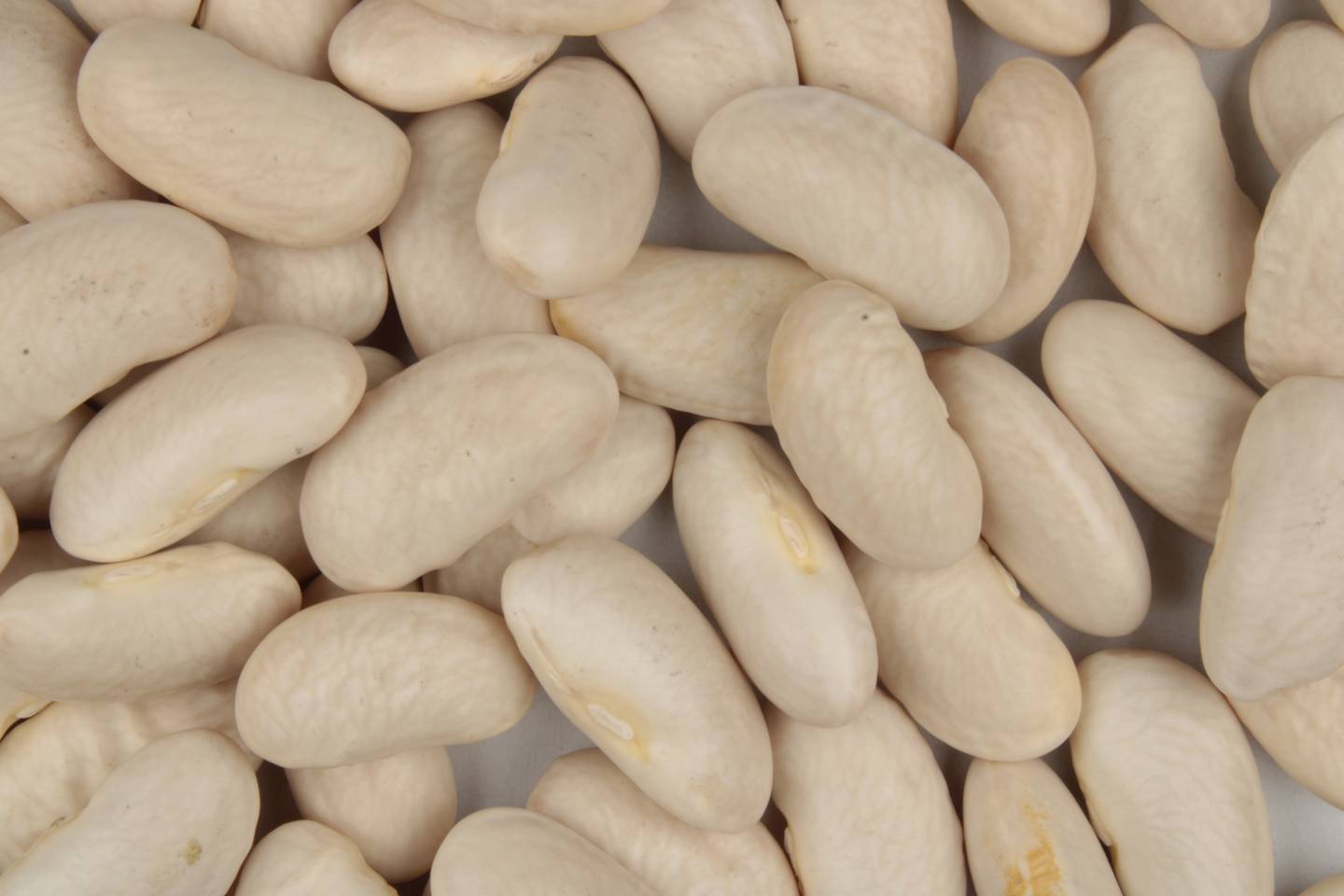
Cannellini and Great Northern beans are both pale, mild beans that fit comfortably into soups, salads and stews. Cannellini are usually larger and meatier; Great Northerns are smaller and more delicate. In most flexible recipes, you can swap one for the other.
| Cannellini | Great Northern | |
|---|---|---|
| Typical size | Larger | Medium; smaller than cannellini |
| Other name | White kidney beans | Great Northern beans |
| Flavor and texture | Nutty, creamy and relatively hearty | Mild, nutty and delicate |
| Useful in | Minestrone, pasta e fagioli, salads | Soups, baked beans, casseroles |
Individual brands and cooking methods make a difference. Both can be creamy inside, and either can hold together or soften more depending on how long it cooks. You don't need a microscope at the supermarket.
How to substitute them
For canned beans, replace drained cannellini with a similar amount of drained Great Northerns, or vice versa. Add them near the end of a simmer if you want the beans to stay intact. In a mash or blended soup, the difference is usually less noticeable.
For dried beans, cook the substitute using a suitable method for that bean rather than copying the original timing. Age, soaking and size affect how long beans take. Sort and rinse dried beans first, and check several for tenderness.
A note on dried cannellini
Cannellini are white kidney beans. Raw and undercooked kidney beans contain lectins that can make you ill. The FDA recommends soaking dried kidney beans for at least five hours, discarding the soaking water and boiling them in fresh water for at least 30 minutes; continue cooking until tender. Don't rely on a slow cooker alone for dried kidney beans. Commercially canned beans are already cooked.