Why Arepas Crack: Check the Flour, Water and Resting Time
If an arepa splits around the edge while you shape it, first check that you used precooked arepa cornmeal and that the dough is fully hydrated.
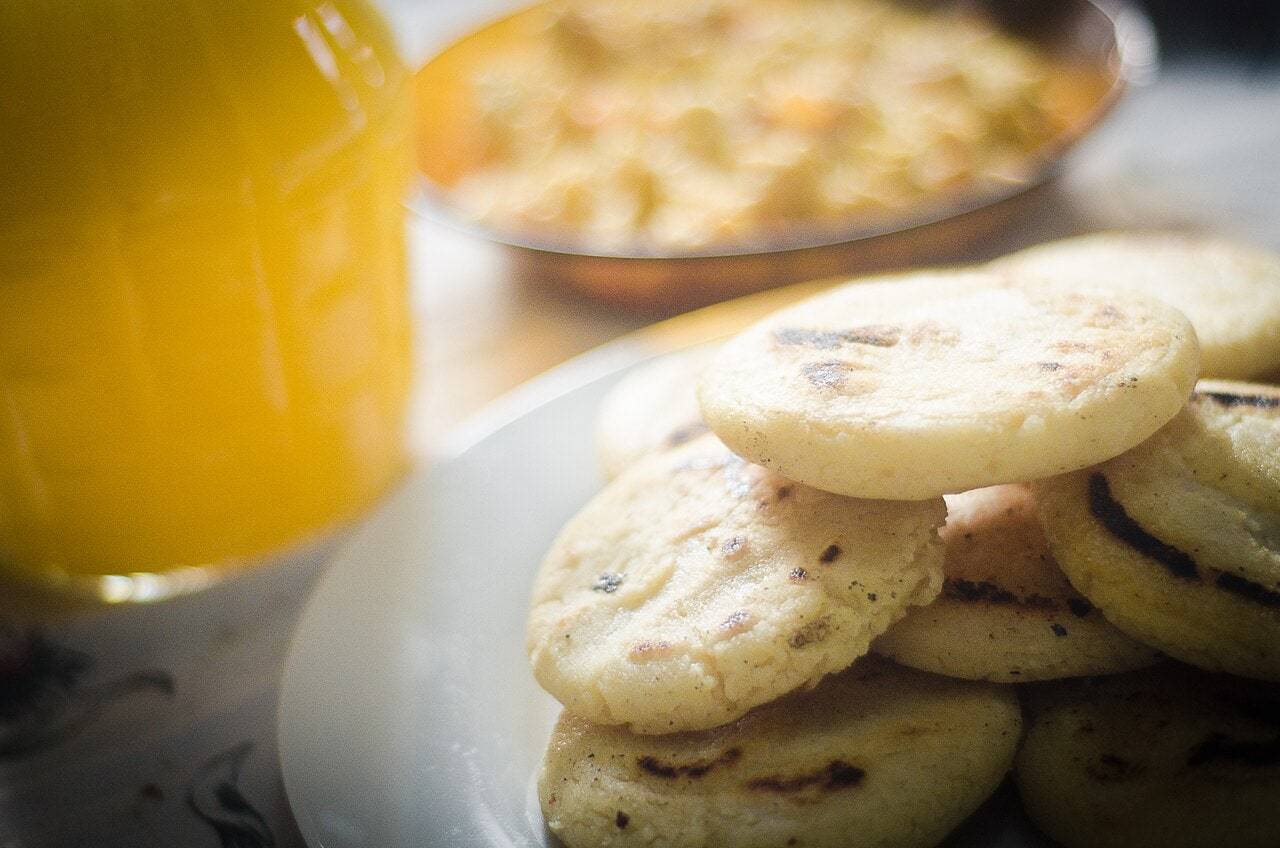
If an arepa splits around the edge while you shape it, first check that you used precooked arepa cornmeal and that the dough is fully hydrated. Rest it according to your recipe, knead again, then test one disc before adjusting the entire batch.
A few surface marks are different from a dough that crumbles in your hands. Diagnose the stage at which the cracking starts.
Match the problem to the stage
| When it cracks | What to check | A useful response |
|---|---|---|
| While mixing or shaping | Wrong flour, dry pockets or insufficient hydration | Confirm the product, rest as directed and knead evenly |
| Only around a shaped edge | A slightly dry surface or an uneven edge | Try smoothing one disc with lightly moistened fingers |
| After sitting uncovered | The surface has dried | Cover remaining dough while working |
| On the pan | The raw dough was already damaged, or handling is rough | Shape evenly and allow the first side to set before turning |
These are checks, rather than proof that every split has one cause. An enriched recipe or unusually thick arepa may need its own method.
Start with the right cornmeal
Masarepa is precooked cornmeal. P.A.N. also sells precooked cornmeals intended for arepas. Ordinary cornmeal, polenta and masa harina should not inherit the same water quantity simply because they are made from corn.
Keep the flour and method together. P.A.N.'s traditional Venezuelan arepa recipe, for example, specifies its own product, liquid allowance and brief rest. A change of brand or formulation is a reason to reassess dough consistency.
Adjust water in small steps
After the specified rest, knead and shape one trial disc. If it is clearly dry and fractures, work a small addition of water into a portion and test again. Do not pour a large amount over the whole batch and immediately compensate with more flour.
The target is a cohesive, shapeable dough suited to the recipe. It should not require squeezing together a handful of crumbs, nor behave like a batter. Lightly moistening your hands can help finish a surface; it cannot repair dry flour hidden throughout the dough.
Keep thickness consistent
Shape even discs so the centre and edges have a reasonable chance of cooking together. Follow your recipe's heat and thickness rather than increasing the flame to rush a thick arepa. Turn with a broad utensil and avoid repeatedly lifting it before the surface has set.
One test arepa tells you more than a tray of identical cracks. Cook it, check the centre and adjust before shaping the rest.
If the problem began in the shopping aisle, see masarepa substitutes for arepas.