Ponni Rice: Understanding Raw and Parboiled Labels
Ponni is a rice name you will encounter in South Indian groceries.
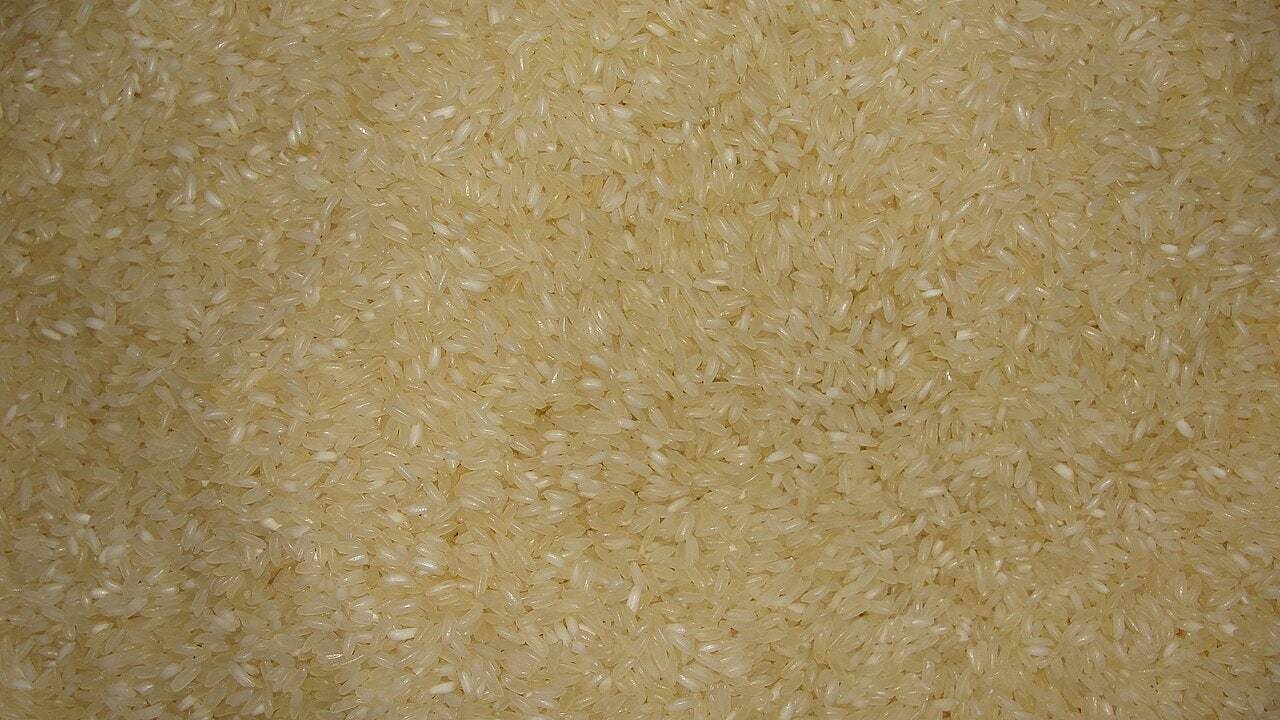
Ponni is a rice name you will encounter in South Indian groceries. The practical detail to check is the processing: Ponni raw rice and Ponni boiled or parboiled rice are different products.
Raw, in this context, distinguishes rice that has not undergone the parboiling treatment. Both kinds of dry rice still need cooking. Neither name means that a spoonful straight from the bag is dinner.
What parboiled changes
Parboiling involves soaking and heating rice before drying and milling. The process changes how the grain takes up water and behaves during cooking. That makes the processing label important even when the rice name is familiar.
KRBL sells a Ponni raw product, while India Gate's catalogue also lists parboiled Ponni. A retailer using only Ponni in a short product title may therefore be omitting the detail you need most.
Before choosing a cooking method
Read the back of the packet for the rice's form, rinsing or soaking guidance and the intended cooking method. If a recipe asks for raw Ponni, do not silently use a boiled product and retain every water and timing instruction.
For a pressure cooker, use guidance compatible with the appliance. A whistle count from an unrelated cooker is less useful than a method that identifies its rice, quantity and equipment.
Where to start
Ponni raw rice is marketed for everyday meals. Try it as a plain accompaniment before using an unfamiliar bag in a more elaborate rice dish. You will learn how that product cooks and whether you prefer its finished texture softer or firmer.
Keep the packet's directions if you decant the rice into a storage jar. Record both the rice name and whether it is raw or parboiled.