Bajra Flour: Pearl Millet Flour and How to Handle It
Bajra flour is made from pearl millet.
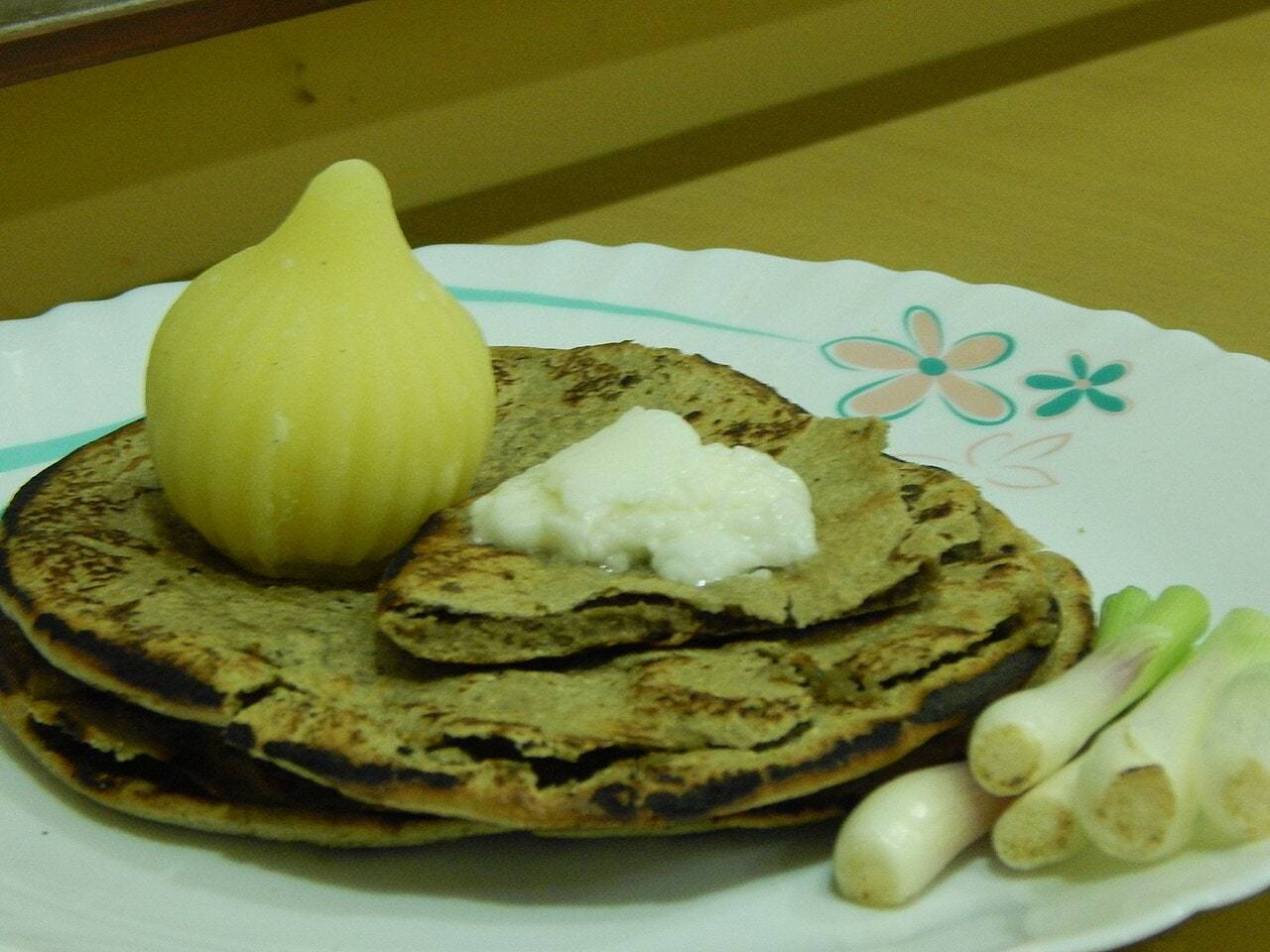
Bajra flour is made from pearl millet. It is used for flatbreads such as bajra roti or bajra bhakri and should not be confused with ragi flour, which comes from finger millet, or jowar flour, which comes from sorghum.
Millet flour is a useful broad description on a shelf, but not precise enough when a recipe names one particular grain.
Why the dough needs a different approach
A plain bajra dough does not have wheat gluten to give it the same elasticity as atta dough. Recipes therefore rely on their own water temperature, mixing and shaping methods.
In Dassana Amit's bajra roti, hot rather than boiling water is used, and the mixture is kneaded when it is safe to handle. A dry, crumbly dough receives a little more warm water; an overly wet dough receives more flour.
Those are texture corrections, not a reason to add large amounts of both in turn. Small changes are easier to judge.
Shaping without a wrestling match
Start with small or medium portions and pat or roll according to the recipe. Supporting the dough between suitable sheets can help with shaping and transfer. A first attempt does not need to be thin enough to see through.
If the dough breaks, check whether it is dry and whether the method expects hand-patting rather than ordinary wheat-roti rolling. More force is rarely the most helpful first adjustment.
Plain flour versus a blend
Some recipes combine millet flour with wheat flour. That can change handling, but it also changes the ingredients and suitability for anyone avoiding gluten. Read the complete recipe, not just the title.
Serve a cooked bajra flatbread with a moist accompaniment, such as dal or a vegetable curry. For an introduction to the grain itself, see pearl millet.